
 GMA Brandtalk
 Tracking
 Archives


Marcos signs law expanding vouchers for K to 12 students in private schools
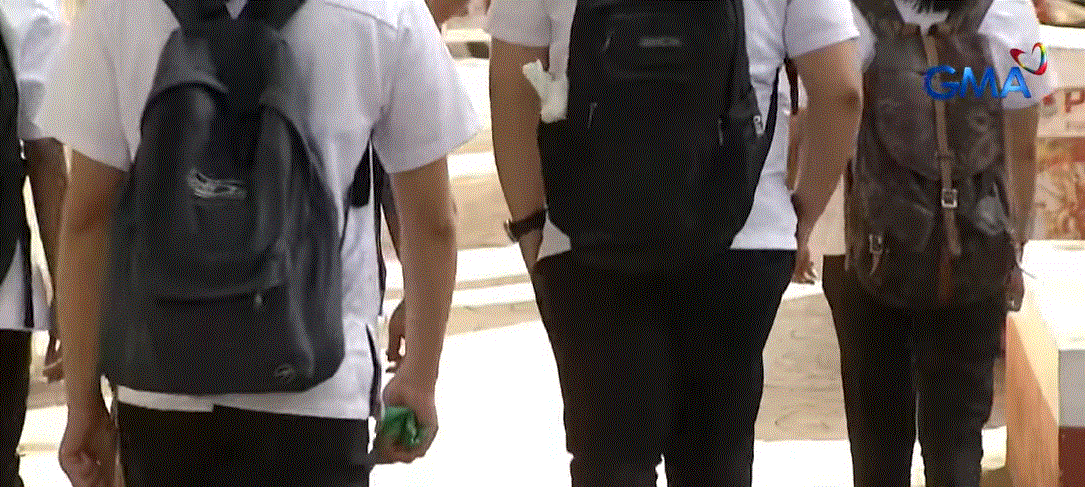
President Ferdinand “Bongbong” Marcos Jr. has signed into law a measure that institutionalizes government vouchers to help eligible Filipino students pay tuition at private schools, particularly those who cannot access nearby public schools due to overcrowding or distance.
Under Republic Act No. 12327, or the Basic Education Voucher Assistance Act, signed on November 12, the government will provide financial assistance to Filipino students from middle-middle-income households and below, or those belonging to equivalent income classifications.
The law mandates the Department of Education (DepEd) to implement the program and determine the eligibility requirements, voucher amounts, and participating private schools.
“To achieve quality education, the State shall address classroom backlog and congestion of public schools through the Basic Education Voucher Assistance Act, which shall form part of the broader national strategy to address quality education by resolving classroom shortage,” the law states.
Voucher assistance may be provided, in order of priority, to students enrolled in public schools identified by DepEd as congested, those living in areas without nearby public schools, and those residing in communities with congested public schools.
A public school may be considered congested if its enrollment exceeds classroom capacity based on DepEd standards, or if it has resorted to multiple shifts or alternative delivery modes.
Students living in areas without a nearby public school may also qualify, including senior high school students in areas where public schools do not offer subjects or electives aligned with their chosen pathways. The law defines the covered area as within a walkable distance of three kilometers from the student's residence.
The program budget will be distributed equitably among all regions, including the Bangsamoro Autonomous Region in Muslim Mindanao (BARMM), based on official data on public school congestion, available capacity, and open seats, with priority given to areas with the highest public school congestion.
Qualified beneficiaries and their families will be allowed to choose their preferred private basic education institution from a registry maintained by the DepEd. Schools will be required to provide information on their location, available slots, student capacity, tuition fees, and other relevant details.
The law requires DepEd to implement safeguards against fraud, including a centralized system for verifying learner eligibility, stronger audit and monitoring procedures, and mechanisms to protect whistleblowers.
Schools or individuals found to have committed fraud or other prohibited acts may face administrative and legal penalties, such as suspension, disqualification from the program, reimbursement of funds, blacklisting, and prosecution.
The law also requires the government to disburse payments to participating schools within 60 days after the submission of complete documents to the DepEd. Local government units, private sponsors, and other scholarship providers may supplement the assistance.
It also assists private basic education institutions and their teachers, including in-service teacher training, teachers’ salary subsidies, scholarships for qualified private school teachers, and support for school development.
The program will initially cover kindergarten and elementary students beginning in School Year 2027-2028. Meanwhile, existing beneficiaries of the Educational Service Contracting Scheme and the Senior High School Voucher Program will continue to receive assistance until they complete basic education. —LDF, GMA News

