
 GMA Brandtalk
 Tracking
 Archives


ICC sets procedure for external submissions in Rodrigo Duterte drug war probe
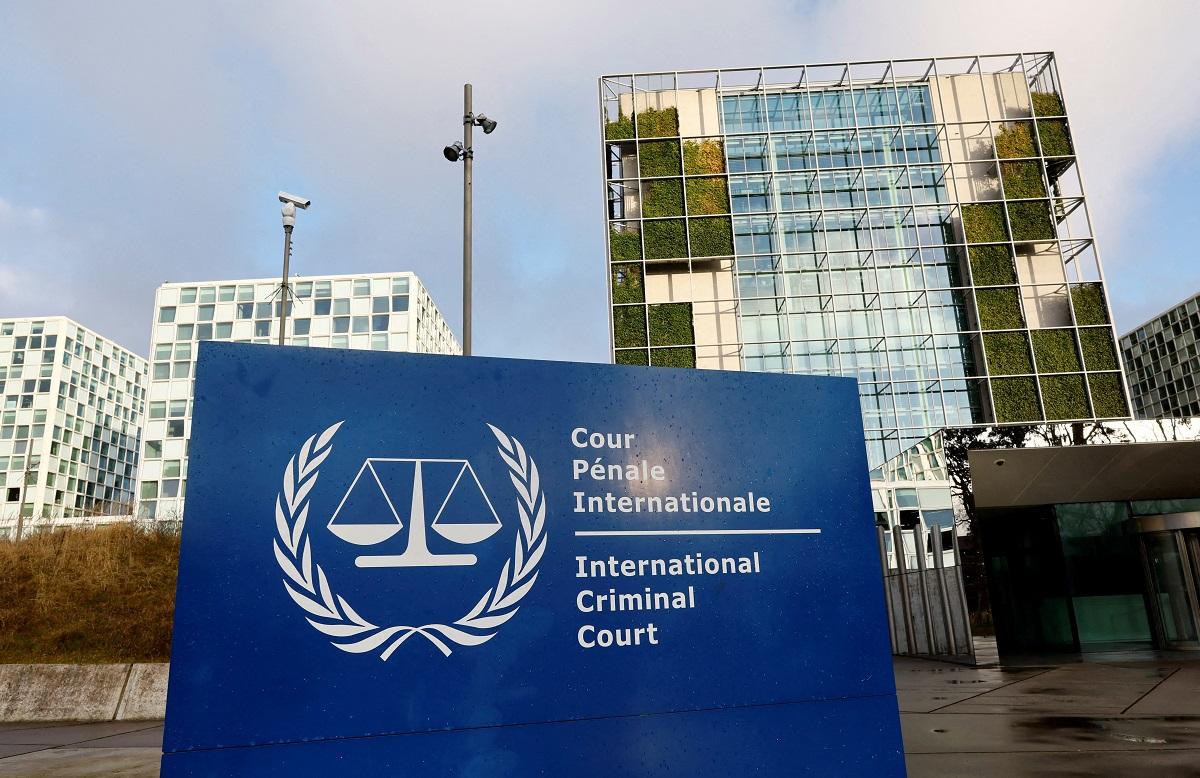
PRAGUE, Czech Republic – The International Criminal Court’s (ICC) Pre-Trial Chamber (PTC) I is setting out a standard procedure to process submissions from external entities regarding the court’s investigation into the drug war linked to former President Rodrigo Duterte.
In an order released on November 23, PTC I instructed the ICC Registry to modify a template to be used by external persons or organizations seeking authorization to submit observations before the Chamber.
The template, which “reflects the situation name and number and the Chamber’s composition”, is adopted to ensure the “efficient and effective processing” of external submissions and “facilitate future interactions” from outside entities, the order stated.
Presiding judge Iulia Antoanella Motoc and her fellow judges, Reine Adélaïde Sophie Alapini-Gansou and María del Socorro Flores Liera, noted that requests for authorization must be limited to three pages.
“The Chamber clarifies that the template only applies to instances where a person or entity is requesting authorisation to make submissions.”
“The Registry will only transmit requests that abide by the instructions in the template. The Registry’s transmission filings, as well as the accompanying request and any other annexes, if applicable, shall initially be classified as confidential, unless cogent reasons require a more restrictive classification,” the order read.
PTC I cited the procedure for requests implemented in other situations, including an instance in the pre-trial phase of former President Rodrigo Duterte’s case when the Registry invoked Rule 103 of the ICC Rules of Procedure and Evidence in April 2025.
That rule concerns inviting or granting permission from a state, an organization, or a person to submit written or oral observations on any issue the chamber finds appropriate or desirable “for the proper determination of the case”. The prosecutor and defense can respond to such amicus curiae observations.
In that April 2025 filing, the Registry asked authorization from PTC I to transmit the amicus curiae observation of a Hong Kong-based non-profit organization on the then-issue about the ICC’s jurisdiction to investigate drug war killings following the Philippines’ withdrawal from the Rome Statute.
Both the Office of the Prosecutor and Duterte’s then-counsel Nicholas Kaufman noted the filing as premature, with Kaufman stating were to raise a jurisdictional challenge "in due course".
The Chamber rejected the Registry’s request, but instructed it to inform external entities to use a template from Court Management Services to apply for authorization to submit observations.
In the present order, PTC I also cited similar implementations in the ICC’s investigation into Venezuela and Palestine.
In the Venezuela situation, the same pre-trial chamber rejected an applicant’s submission for lack of legal standing. In the Palestine situation, in which 64 states, organizations, and individuals were allowed to submit observations, a different pre-trial chamber reclassified a set of documents as public more than 80 documents “in the interest of transparency and publicity of the proceedings”.
The Philippine situation concerns the crimes against humanity of murder, allegedly committed in the country between November 1, 2011 and March 16, 2019, during the drug war linked to Duterte when he was Davao City mayor and Philippine president.
PTC I, which handles the Philippine situation and heard the Office of the Prosecutor’s case against Duterte, previously ruled that the ICC retains jurisdiction over the alleged crimes when the Philippines was a state party to the Rome Statute, despite the country’s withdrawal on March 17, 2019.
Duterte’s case has been transmitted to Trial Chamber III, which will open its trial of the former president on November 30. — BAP, GMA News

