

 GMA Brandtalk
 Tracking
 Archives

SC acquits Raffy Tulfo, 2 others in libel case
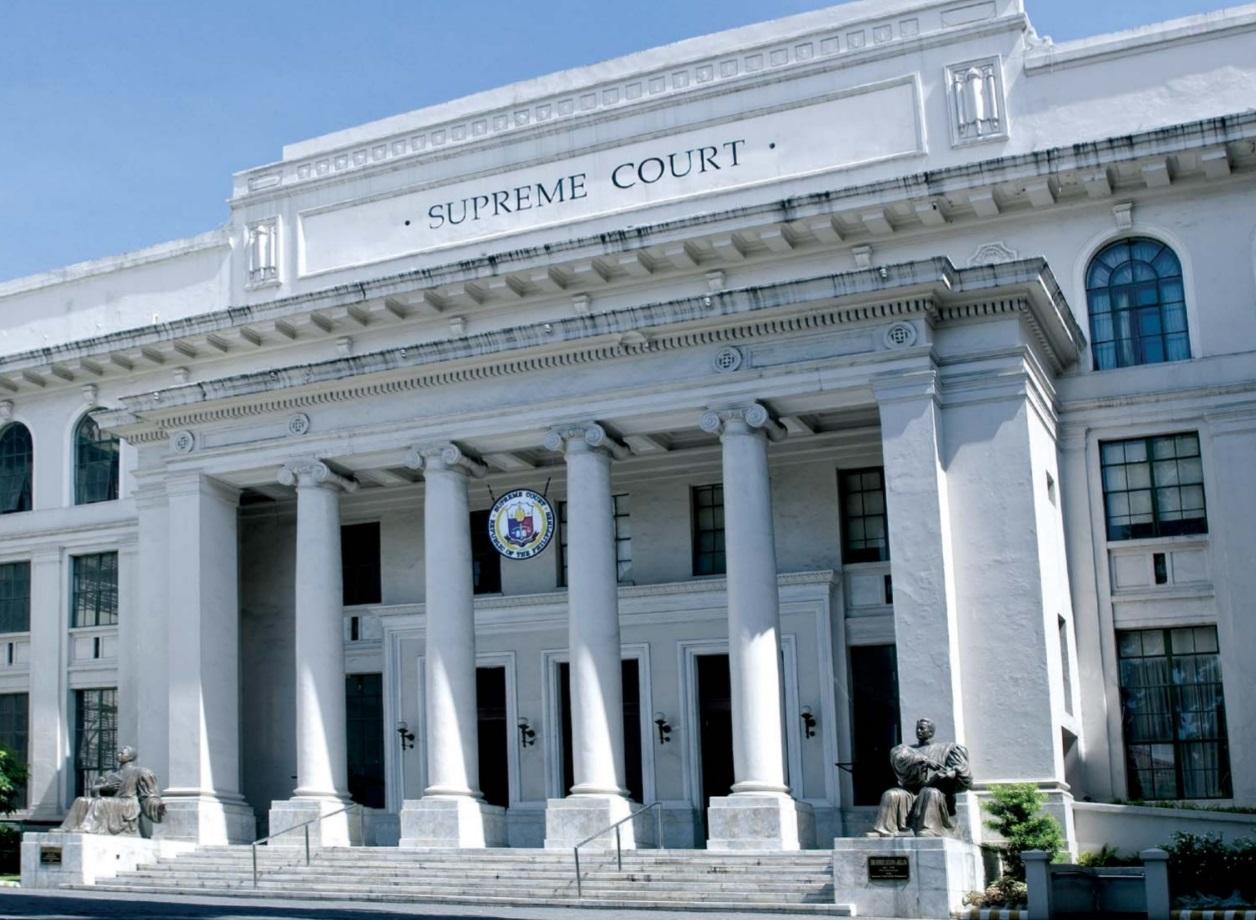
The Supreme Court (SC) has acquitted broadcast journalist and columnist Raffy Tulfo of libel charges in connection with his articles about the alleged illegal activities of an official of the Bureau of Customs (BOC).
Aside from Tulfo, also acquitted were Abante Tonite publisher Allen Macasaet and managing editor Nicolas Quijano Jr., the SC Third Division said in a ruling dated January 11 but was released to the public only this week.
In 1999, Tulfo wrote a series of articles about the alleged illegal activities of Atty. Carlos So of the BOC such as extorting P50,000 or more from brokers. Tulfo also said So, who once worked for the Customs Intelligence and Investigation Service, had an affair with a married woman.
So then filed libel charges against Tulfo, Macasaet, and Quijano, with a Pasay City court finding them guilty of 14 counts of libel in 2005. The trial court also imposed on them the penalty of imprisonment and fine.
The three questioned the decision before the Court of Appeals, which acquitted them on eight counts of libel. Tulfo, Macasaet and Quijano then elevated the matter to the SC.
In its ruling, the SC said Tulfo reported the alleged illegal activities of So in the exercise of his public functions, adding the articles “fall within the purview of qualified privileged communications.”
“Our libel laws must not be broadly construed as to deter comments on public affairs and the conduct of public officials. Such comments are made in the exercise of the fundamental right to freedom of expression and the press,” the decision stated.
“Speech that guards against abuses of those in public office should be encouraged. Petitioner Tulfo should be acquitted. Since the author of the impugned articles himself is not guilty of libel, it follows that petitioners Macasaet and Quijano, the publisher and managing editor of the Abante Tonite columns, must likewise be acquitted.”
The SC said there are alternative legal remedies to address unwarranted attacks on a person’s reputation such as civil actions for defamation.
“Civil actions for defamation are more consistent with our democratic values since they do not threaten the constitutional right to free speech and avoid the unnecessary chilling effect on criticisms toward public officials,” the Court said through Associate Justice Marvic Leonen.
“The proper economic burden on complainants of civil actions also reduces the possibility of using libel as a tool to harass or silence critics and dissenters.”
The SC, however, reminded all media practitioners of the standards expected of them as provided for under the Philippine Press Institute’s Journalist's Code of Ethics and the Society of Professional Journalists Code of Ethics.
“The constitutionally protected freedoms enjoyed by the press cannot be used as a shield to advance the malicious propagation of false information carried out by unscrupulous entities to injure another's reputation,” the SC said.—AOL, GMA News

