

 GMA Brandtalk
 Tracking
 Archives

Bill extending validity of 2021 nat’l budget sponsored in Senate plenary
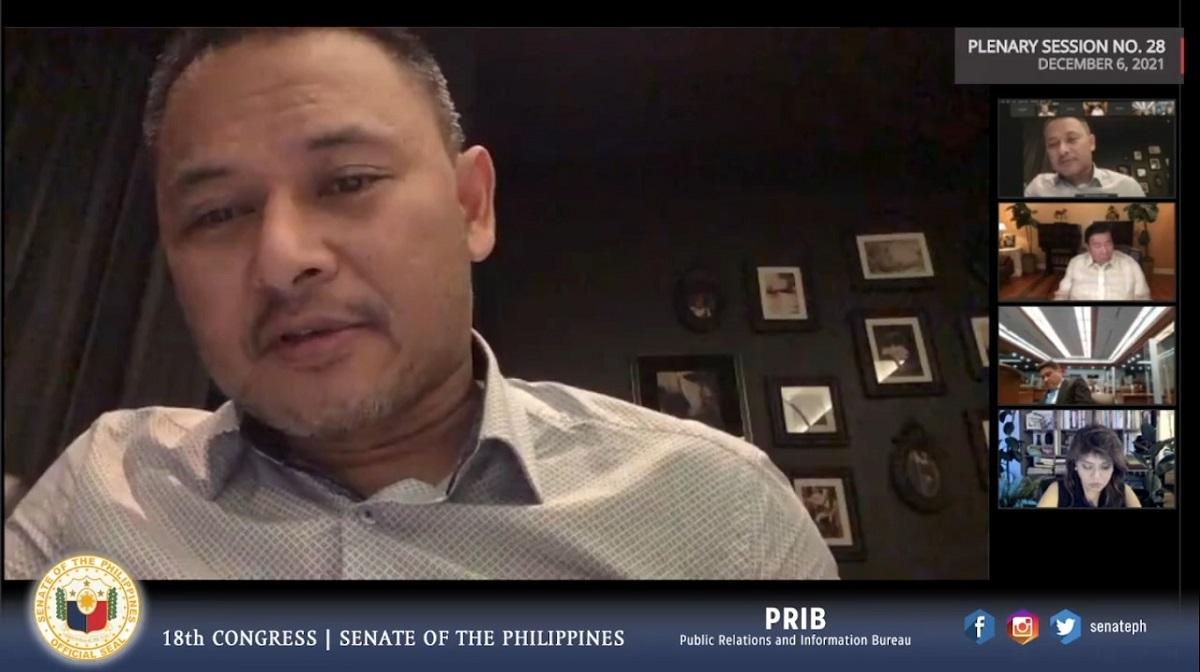
The bill seeking the extension of the 2021 General Appropriations Act (GAA), which contains the country’s current national budget, reached the Senate plenary on Monday.
In sponsoring House Bill 10373, which extends the validity of the 2021 national budget until December 31, 2022, Senate Finance Committee chairman Sonny Angara said during the chamber’s plenary session that adopting the cash-based budgeting system is a “step in the right direction.” However, he said, this change in the government’s system could not be easily realized especially amid the COVID-19 pandemic.
Citing data from the Department of Budget and Management (DBM), Angara said that from January to September 2021, only 74.5% of the allotments available were obligated or legally set side to be spent for government programs.
“We are hopeful that throughout the fourth quarter, government agencies can obligate more of these appropriations. But the unobligated balance is just too significant to reasonably expect that they can obligate all of it in such a short period of time,” he said.
Angara then cited DBM officer-in-charge Undersecretary Tina Rose Canda’s letter to Senate President Vicente Sotto III dated November 2, saying the 2021 budget’s validity could be extended as the COVID-19 pandemic is expected to persist throughout next year which means it will continue to affect the implementation of projects and programs.
Apart from this, Canda noted in her letter, the election ban on the construction, inspection, and payment of infrastructure projects is another factor to consider in favor of budget validity extension.
Acting Public Works Secretary Roger Mercado also appealed to Congress to extend the validity of the 2021 GAA as the quarantine restrictions have caused significant delays in the infrastructure projects which receives a big chunk of funding from the national budget.
According to Angara, from January to September 2021, the Department of Public Works and Highways was able to achieve over 80% obligation rate and it had only disbursed P270 billion which is a little less than 50 percent of its obligations.
Across the board, the senator said government agencies have obligated only 70.5% of their allotments as of the third quarter this year.
Another factor that was considered in pushing for the passage of the measure was the projects which were tagged by Malacañang as “for later release” (FLR).
These projects need additional documentary requirements and further approval before funds were released to them for project implementation.
Under the 2021 national budget, Angara said, P787.5 billion was tagged as FLR. Of the said amount, there remains a balance of P172.532 billion as of November 18, 2021.
“Clearly, given the significant amounts concerned, extending the budget’s validity and availability is imperative. Doing so allows the government to provide more social services and implement more projects for the benefit of more of our countrymen, and to a certain extent, provide some stimulus for jumpstarting our economic recovery,” Angara said.
Once the 2021 GAA’s validity is extended, Angara said various agencies would continue to provide services to the Filipinos which include:
- Department of Health’s assistance to 2.5 million indigent patients to benefit under the Medical Assistance for Indigent Patients program.
- Department of the Interior and Local Government’s utilization of P192.5-million worth of unobligated appropriations which could be used to hire up to 8,000 contact tracers for one month, especially in light of the new COVID-19 omicron variant.
- Department of Education’s at least P37.5 billion for its programs
- DPWH’s P151.6 billion worth of FLR projects in the 2021 GAA which could create up to 1 million direct and indirect jobs.
While sponsoring in support of the measure, Angara clarified that the chamber is not “condoning" the government agencies to be allowed to "sit on the funds that have been appropriated to them."
“But given the circumstances, some flexibility ought to be extended to them, especially when every peso spent is crucial to our recovery effort,” he explained.
Angara appealed to his colleagues to prioritize this measure as it was not certified as urgent, which means the senators have to pass the measure on third reading three days after it was approved on second reading.
The Congress will be taking its Christmas break starting December 18 until January 16, 2022. — BM, GMA News

