

 GMA Brandtalk
 Tracking
 Archives

DepEd: Class schedules may be adjusted amid extreme heat

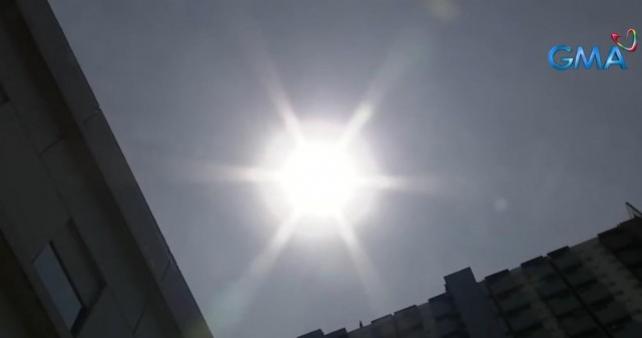
The Department of Education (DepEd) on Wednesday said that it has started implementing measures to safeguard the health and well-being of students and personnel amid the scorching heat being felt in some areas.
DepEd said that those measures include adjusting class schedules to early morning or late afternoon.
In a message to GMA News Online, Education Secretary Sonny Angara said that in some schools and areas, class sessions in the morning have been moved to 6 a.m. to 10 a.m. while in the afternoon sessions were from 2 p.m. to 6 p.m.
Meanwhile, asynchronous learning would take place from 10 a.m. to 2 p.m.
According to Angara, schools may also transition to remote or asynchronous learning “if the heat index reaches 42 degrees Celsius or higher, or based on directives of the local government units.”
With this, he said the DepEd is ensuring the availability of learning resources on online portals and is producing self-learning modules.
Outdoor activities
The Education chief also reminded schools to avoid outdoor activities during peak heat hours, limit outdoor physical activities for learners, and use covered areas like school courts, if necessary.
“Light and comfortable uniforms” were also encouraged for students and school personnel.
He said DepEd would also provide additional fans in classrooms, set up hydration stations, and distribute insulated water containers.
He also said that obstructions that restrict airflow, such as curtains and boards, should be removed, and classrooms would be equipped with first aid kits, which include cooling packs and emergency thermometers.
There would also be electrical, fire, and safety inspections that will be done in coordination with DepEd’s disaster risk reduction and management service, LGUs, and other agencies.
Likewise, Angara said that school medical personnel “will monitor and prevent heat-related issues such as cramps, exhaustion, and stroke.”
Dry season
The Department of Health (DOH) earlier reminded the public against heat-related illnesses such as heat cramps, heat exhaustion, and heat stroke, that become more prevalent now that the country is shifting to dry season.
State weather bureau PAGASA said that the following areas may experience a dangerous level of heat index on Wednesday, March 5:
- San Jose, Occidental Mindoro (42°C)
- Legazpi City, Albay (43°C)
- Virac, Catanduanes (43°C)
- CBSUA in Pili, Camarines Sur (43°C)
Heat index is the measure of the temperature that a person feels that is apart from the actual air temperature. A heat index ranging from 42-51°C is considered under PAGASA’s “danger” effect-based classification.
Last year, during the El Niño phenomenon, DepEd told school heads that they could decide on their own if face-to-face classes needed to be suspended in their respective schools due to the extreme heat.
Back then, DepEd also said its regional directors and superintendents have the authority to move class schedules in the morning and afternoon. --VAL, GMA Integrated News

