

 GMA Brandtalk
 Tracking
 Archives

EXPLAINER: The ETEEAP Law
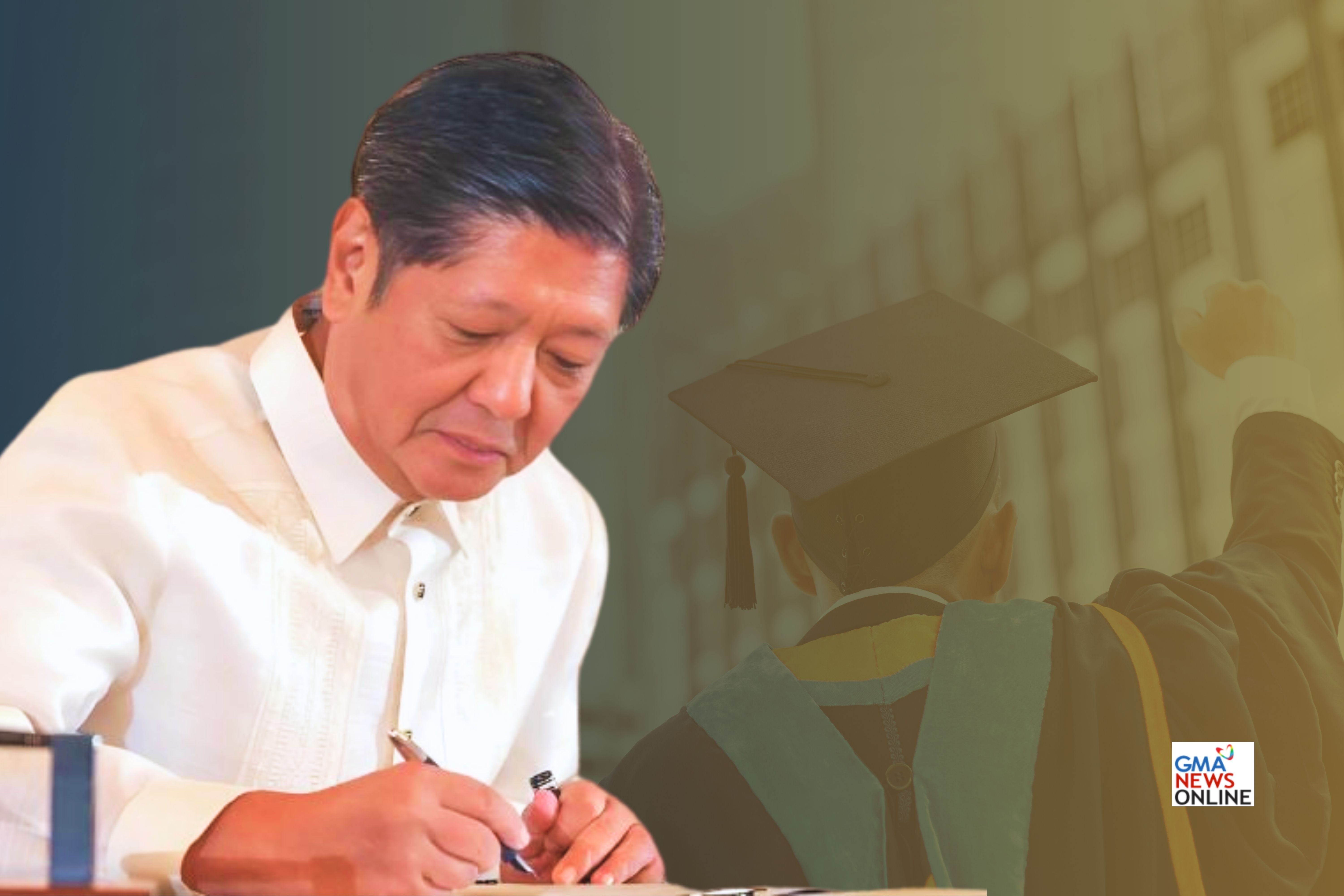
President Ferdinand “Bongbong” Marcos Jr. recently signed into law Republic Act 12124 or the Expanded Tertiary Education Equivalency and Accreditation Program (ETEEAP) Law.
But what is ETEEAP Law exactly and how it will benefit Filipinos?
Senator Joel Villanueva, who sponsored the measure in the Senate, explained that the new law will allow Filipinos, even migrant workers, to earn their undergraduate degrees by using their work experience.
“High school graduates and those who did not finish college, including returning OFWs who opted to drop out and start working immediately, will benefit from the ETEEAP Act,” Villanueva told GMA News Online.
“Through a system of equivalency, accreditation, and recognition in universities designated to offer ETEEAP, their knowledge, skills, and aggregate work experience will be awarded academic credits, helping them earn a college diploma without going through traditional schooling methods,” he explained.
To qualify for the program, an individual must be:
- A Filipino citizen whether residing in the Philippines or abroad
- At least 23 years old
- Has completed at least a secondary school program or successfully passed appropriate placement or assessment tests such as the Alternative System Accreditation and Equivalency Assessment and Certification
- Has at least five years of aggregate work experience in the industry related to the degree program or discipline where equivalency is sought.
Filipinos who will apply for this government program must submit documentation of relevant training programs and other proof of formal, non-formal, and informal learning.
For the implementation of the law, the Commission on Higher Education will deputize higher education institutions with academic degrees to be opened for the ETEEAP.
Meanwhile, the higher education institutions that will be tapped by CHED will be mandated to develop clear policies, procedures, and processes for the implementation of the ETEEAP.
With the new law, Villanueva said that the ETEEAP is seen to benefit the country’s economy and labor force by allowing workers to continue their jobs while earning a degree and ensuring workforce retention and reducing career disruptions.
“It promotes upskilling, equipping employees with formal qualifications that enhance their career growth and competitiveness. This leads to increased productivity, as businesses gain access to a more skilled workforce, ultimately driving economic progress,” the senator said.
“By enabling workers to advance their education without leaving their jobs, the program fosters social mobility and attracts better job opportunities and investments. A well-educated labor force strengthens industries, improves overall economic stability, and empowers individuals to achieve long-term career success,” he added. --VAL, GMA Integrated News

