

 GMA Brandtalk
 Tracking
 Archives

Gov’t to comply if SC orders return of PhilHealth excess funds —Recto
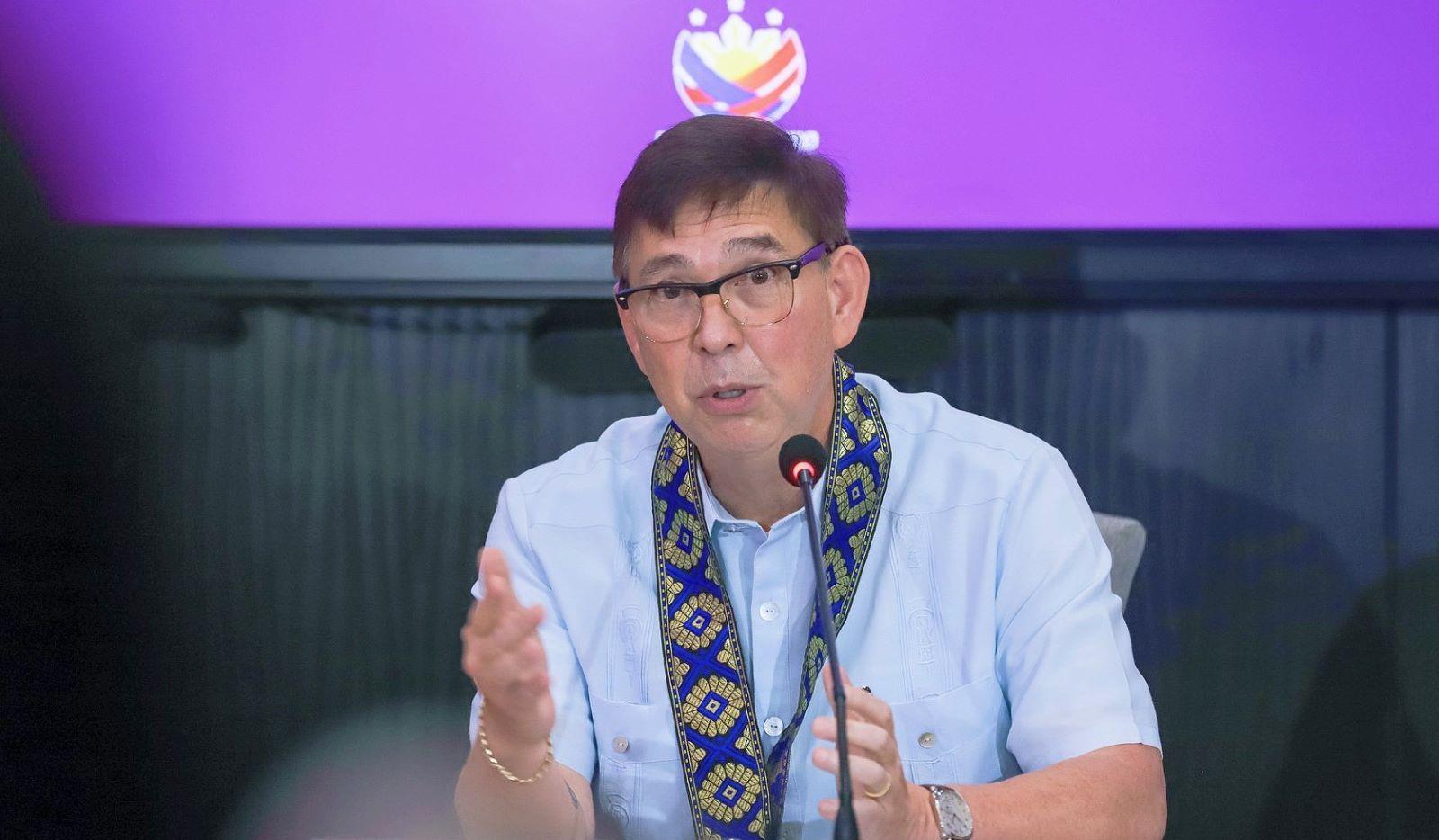
Finance Secretary Ralph Recto on Wednesday said the government would comply should the Supreme Court (SC) order the return of the excess funds of the Philippine Health Insurance Corporation (PhilHealth), but warned of possible repercussions.
“Naturally, if the [SC] were to tell the executive to return the money, we will include that in the National Expenditure Program for 2026,” Recto said during the resumption of the oral arguments on the excess funds.
He issued the remark when asked about the impacts of the possible SC order on the return of the remittances of PhilHealth and other government-owned and controlled corporations (GOCCs).
Last year, PhilHealth remitted P60 billion to the national treasury while the SC halted the transfer of the remaining P29.9 billion.
According to Recto, the Philippine Deposit Insurance Corporation also remitted P104 billion to the national treasury.
Though they will comply, he warned that the government may not hit the deficit target should the SC order the return of the funds this year.
“That will add a fiscal pressure to our deficit and that will entail us not hitting our deficit targets this year. If we miss that, then we may not attain our coveted credit rating upgrade that we may foresee in the next 18 months,” Recto said.
Easing national burden
Meanwhile, facing the SC for the first time, Recto defended the transfer of dormant funds, saying this would help lower the national debt.
The Finance chief called the transfer of GOCCs idle funds a “Bayanihan 3.” He said this was not funded by new taxes but by funds already in government’s possession.
“This Framework ensures that we reduce our fiscal deficit from a high of 8.6% to GDP in 2021 to only 3.7% in 2028,” Recto said.
“Last year, we already hit our target of reducing this to 5.7%. This will allow us to sustainably reduce our national government debt to 56.3% in 2028,” he added.
He said that the country’s national debt was at P6.8 trillion when President Ferdinand Marcos Jr. took office, adding that this surpassed the combined debt of all previous administrations.
According to Recto, this brought the country’s combined debt-to-GDP ratio from its lowest level of 39.6% to P60.9% in 2022.
“And now, it is our responsibility to repay these large borrowings. We inherited this debt but we do not intend to simply pass this burden onto the next administration. We intend to try our best to reduce it,” he said.
Recto echoed Solicitor General Menardo Guevarra’s remark that the transfer is a “temporary and common-sense approach”
He also stressed that the DOF is the “government’s chief fundraiser” and is mandated to “put every peso to work.”
“Hindi pu-puwede na kapag may nakitang malaking pondo na natutulog at hindi nagagamit para sa kapakanan ng taong bayan, hahayaan na lang. Sleeping funds serve no one,” he said.
(It’s not acceptable to just let a large fund sit unused and not be used for the welfare of the people. Sleeping funds serve no one.)
“Every idle peso is a disservice to every Filipino,” he added.
Coverage increase
PhilHealth Senior Vice President Renato Limsiaco Jr., meanwhile, said the corporation is eyeing to increase its coverage of hospital bills to 18% this year.
He said PhilHealth covers around P13,000 to P14,000 an average.
“PhilHealth’s target for the year 2025 is 18%, your honor, ma-cover po niya (PhilHealth’s target for year 2025 is to cover 18%),” he said.
He issued the remark when asked by Justice Jhosep Lopez about the ideal case rate of PhilHealth to fulfill the intention of the Universal Health Care Act that “no Filipino must suffer as a consequence of one’s sickness.”
Meanwhile, Limsiaco said PhilHealth is also eyeing to increase its coverage of hospital bills to 28% by 2028.—LDF, GMA Integrated News

