

 GMA Brandtalk
 Tracking
 Archives

How does the PH party-list system work?
With Filipino voters choosing only one party each in a field of 156, new party-list groups are now set to be proclaimed following the completion of Eleksyon 2025.
According to the partial unofficial tally on the Comelec media server, the Akbayan party-list topped the race for the midterm elections with 2.75 million votes or 6.71% of all votes cast as of 11:12 a.m. Wednesday.
Meanwhile, Akbayan was followed by the Duterte Youth party-list with 5.61% or 12.3 million votes, and Tingog with 4.36% or 1.78 million votes.
As for other groups with relatively stronger numbers, 4Ps received 3.50% with 1.43 votes, ACT-CIS received 2.98% or 1.22 million votes, and Ako Bicol got 2.59% or 1.06 million votes.
How does the system work?
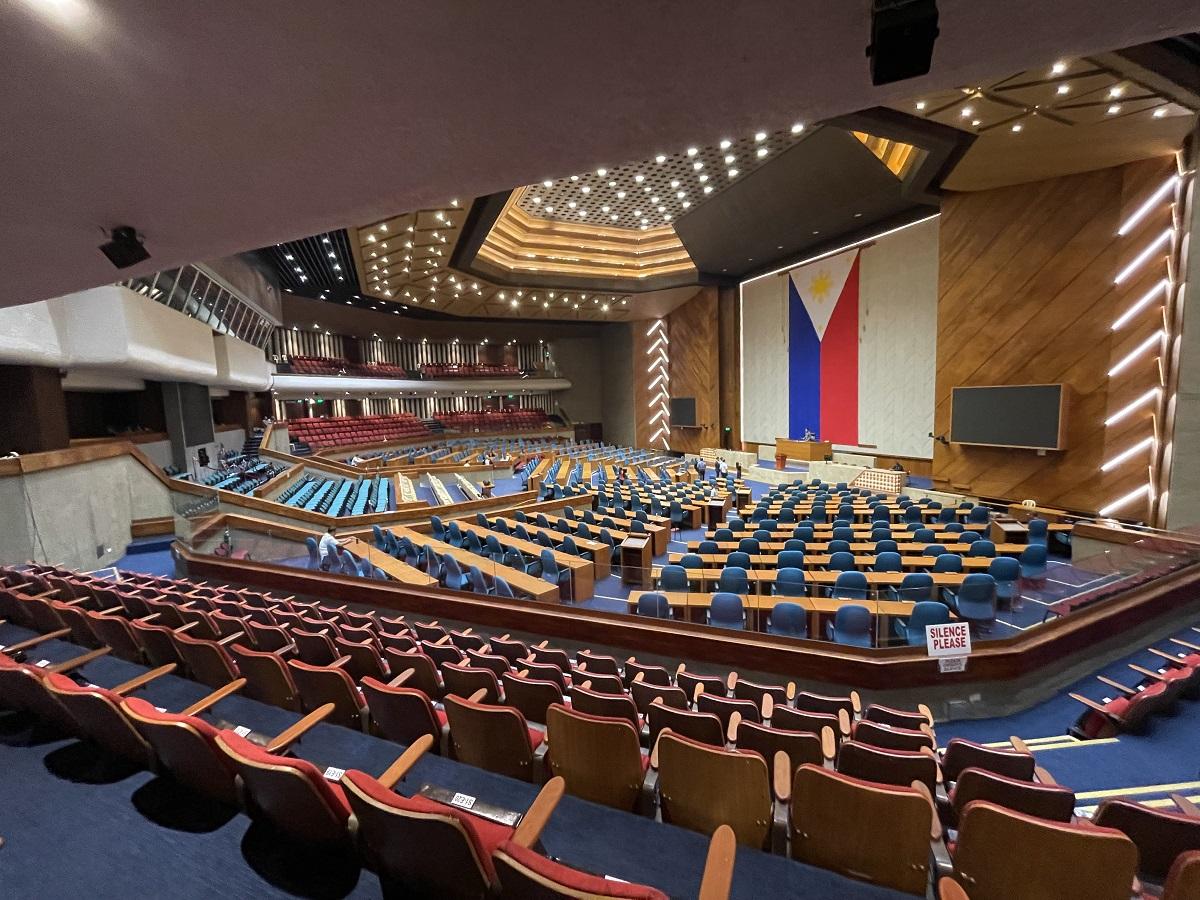
There are currently 317 seats for district representatives and party-list congressmen in the House of Representatives.
Under Section 5, Article VI of the Constitution and the Party-List System Act, party-list representatives shall constitute 20% of the total members of the House including those under the party-list, giving them 63 seats.
As provided by the party-list law, Supreme Court decisions on the computation of party-list seats, and the Philippine Constitution, parties that receive at least 2% of the total votes cast for the party-list system shall be entitled to one seat each.
An additional seat will be granted to a party-list which will be able to secure more than 2% of the votes cast proportional to the additional percentage it got, but the maximum number of seats is only three.
If party-list groups with 2% and higher votes are not able to fill up all the 63 seats, the next-in-line groups with the closest vote share to 2% will get to secure one seat each until all party-list seats are filled.
According to computations by GMA Integrated News Research, based on the partial unofficial tally on the Comelec media server as Thursday afternoon, six party-list groups met the two percent threshold.
Akbayan, Duterte Youth, Tingog, and 4PS are in a position to get three seats each, while ACT-CIS and Ako Bicol are in a position to both get two seats.
With the rule on next-in-line groups, 47 other party-lists may end up getting a seat each in the House of Representatives until all 63 seats are filled.
Tenure
Meanwhile, party-list representatives shall be elected to a term of three years.
Based on the Party-List System Act, the law seeks to promote proportional representation in the election of representatives to the House of Representatives.
The act states that it aims to enable Filipinos belonging to the marginalized and underrepresented sectors, organizations, and parties, and those who lack well-defined political constituencies but who could contribute to the formulation and enactment of appropriate legislation to become members of the House.
In 2013, the Supreme Court (SC) ruled that sectoral parties or organizations seeking accreditation under the party-list system may either be "marginalized and underrepresented" or lacking in "well-defined political constituencies."
The SC said those who belong to marginalized and underrepresented sectors include labor, peasant, fisherfolk, urban poor, indigenous cultural communities, handicapped, veterans, and overseas workers. — with a report from Sundy Locus/ VDV, GMA Integrated News
For more Eleksyon 2025 related content and updates, visit GMA News Online's Eleksyon 2025 microsite.

