

 GMA Brandtalk
 Tracking
 Archives

PH wants 'intensified negotiations' on SCS code, says DFA official
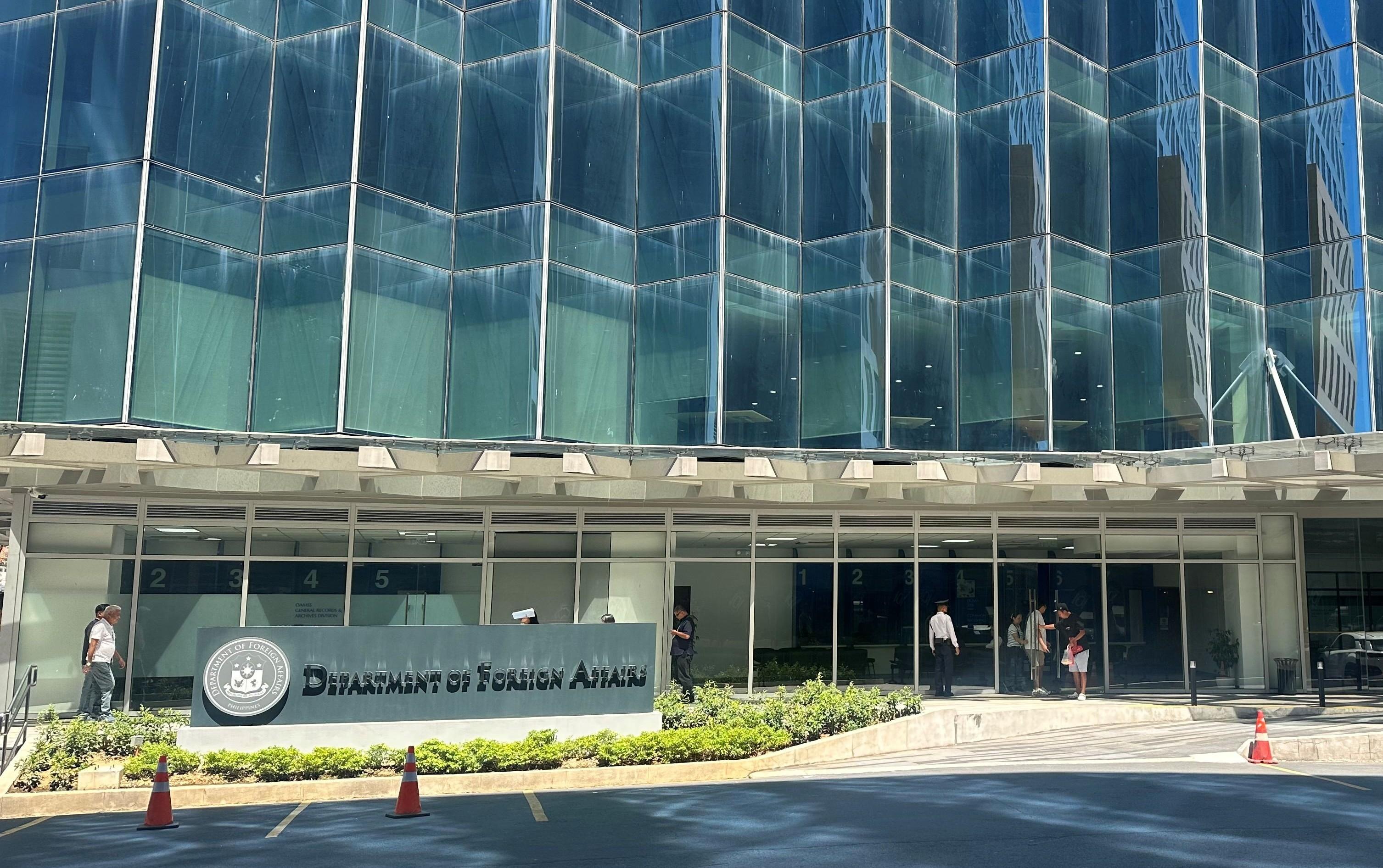
The Philippines will push for “intensified negotiations” on a crucial “Code of Conduct” that aims to prevent a major conflict in the South China Sea during a Southeast Asian leaders’ summit in Kuala Lumpur next week, a Foreign Affairs official said Wednesday.
Foreign Affairs Secretary Enrique Manalo earlier said Manila is targeting the code’s completion during its chairmanship of the Association of South East Asian Nations (ASEAN) in 2026.
“The Philippines will call for more intensified negotiations toward a substantive and effective Code of Conduct in the South China Sea, in view of the commitment made by ASEAN and China to conclude the COC by 2026,” Foreign Affairs spokesperson Teresita Daza said in response to a query by GMA News Online on the Philippines' initiatives during the summit on May 26 to 27. Malaysia is this year's ASEAN chairman.
Diplomatic sources have said that the negotiations have advanced to the most contentious issues, called “milestones,” including the scope of the disputed waters it will cover and whether the Code of Conduct should be legally binding or not.
A regional code of conduct aims to prevent conflicting territorial claims in the vast potentially-oil rich region from erupting into violent confrontations or worse, an economically-devastating major conflict.
In August 2018, the Association of South East Asian Nations (ASEAN) and China agreed to a single draft of the code of conduct or COC, with an agreement reached in November 2018 for both sides to finalize the document within three years, starting from 2019. No final document was agreed upon since then, but ASEAN and China have reset the target to 2026.
Manalo, in a previous interview, declined to say if the Philippines would seek a legally binding code.
“We believe that a meaningful COC anchored on international law, particularly the 1982 UNCLOS, is vital to maintaining peace, stability, and freedom of navigation in the region,” Daza said.
Four ASEAN members - Malaysia, the Philippines, Vietnam, and Brunei - are involved in the long-unresolved territorial disputes. China and Taiwan have similar claims virtually in the entire sea body, which is an important passageway for global trade and commerce.
China, which considers the sea disputes a purely Asian issue, is opposed to any foreign intervention, particularly from the United States.
Although Washington is not a party to the disputes, it has declared that it is in its national interest to ensure freedom of navigation and overflight in the contested waters. —AOL, GMA Integrated News

