

 GMA Brandtalk
 Tracking
 Archives

DOH aims zero dengue-related deaths by 2030
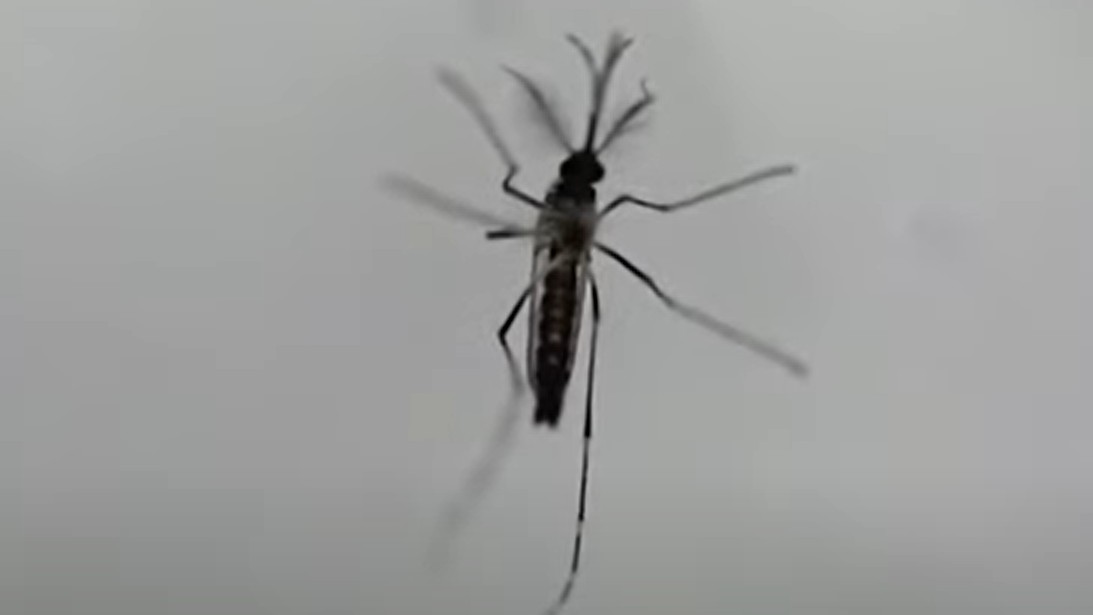
The Department of Health (DOH) is looking into multiple ways to address the rising dengue cases in the country, as it aims for zero dengue-related deaths by 2030.
In Nico Waje’s Wednesday report on “Saksi,” the DOH said it is assessing the Wolbachia method used in Jakarta, Indonesia, to control mosquito breeding.
The method uses bacteria to control the number of mosquitoes.
According to Health Secretary Teodoro Herbosa, dengue cases will continue to rise unless mosquito breeding grounds are controlled.
The number of dengue cases rose to 59% from January to June 2025. This is equivalent to 23,000 reported dengue cases in the country, of which 470 have died.
Calabarzon logged the most number of dengue cases, with 19,500 infections and 62 deaths.
The DOH is also assessing the usage of the QDenga dengue vaccine, which is being utilized in 40 countries.
The Food and Drug Administration (FDA) is still evaluating the vaccine.
Herbosa said the pharmaceutical company still needs to submit its risk management plan and the reason why the vaccine was voluntarily withdrawn from other FDA markets, like the United States.
DOH plans to use the vaccine in the hospital and not for mass-based immunization.
The Philippine Medical Association (PMA) also believed that vaccination is the key to achieving zero dengue-related deaths.
Unlike Dengvaxia, which was cloned out of yellow fever, PMA president Hector Santos said QDenga is better since it was taken from previous dengue cases. —Mariel Celine Serquiña/RF, GMA Integrated News

