

 GMA Brandtalk
 Tracking
 Archives

DepEd: Measures in place to prevent 'learning loss' due to class suspensions
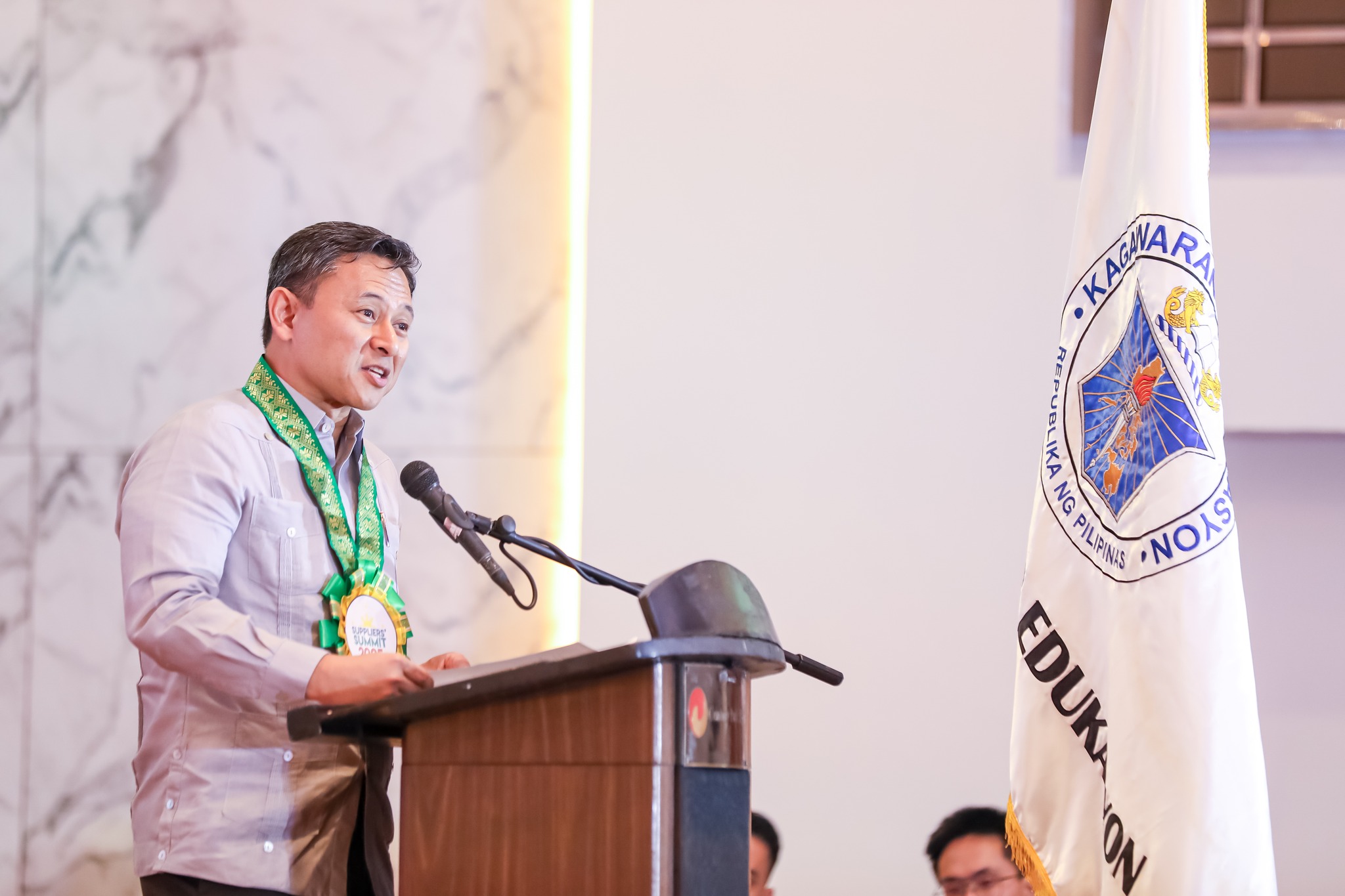
The Department of Education (DepEd) has rolled out a comprehensive set of initiatives designed to make the Philippine education system more "flexible and disaster-ready."
This, as DepEd prepares for possible class suspensions amid the rainy season.
DepEd Secretary Sonny Angara said that while safety should be a top priority, learning continuity must be part of every suspension decision.
Below are key programs and reforms from DepEd:
- Deployable learning continuity packages
Durable and mobile modular classrooms will replace temporary learning spaces in disaster-hit areas. A pilot rollout in high-risk zones is slated for August 2025.
- LIGTAS AI tool under E-CAIR
An AI-powered system that predicts geohazard risks, enabling schools to make better contingency plans. Upgrades to the system are expected by the third quarter of 2025.
- Revised suspensions as guidelines (Released December 2024)
These empower school heads to:
Declare localized or granular suspensions even without LGU declarations.
Coordinate with LGUs for class suspensions based on real-time conditions such as flooding or earthquakes.
Read the official guidelines here.
- Learning and service continuity plans (LSCPs)
All schools are required to have LSCPs, which include:
Use of Alternative Delivery Modes (ADMs) like self-learning modules and online platforms.
Secure storage protocols for learning materials and devices.
Teacher training for quick transitions during disruptions.
- Omnibus flexible learning policy (Releasing July 15)
This new framework institutionalizes flexible learning across grade levels and creates one-stop-shops for schools to access support services, materials, and guidance.
- Tablet distribution for ADM learners
DepEd is actively distributing tablets to learners in disaster-prone areas, enabling continuous learning when physical attendance isn’t possible.
- Stronger LGU engagement
The department has issued letters to the Department of the Interior and Local Government (DILG), the Union of Local Authorities of the Philippines (ULAP), and other local leagues to encourage alignment with the new suspension protocols.
'Learning loss'
Previously, class suspensions were automatic—like the cancellation of kindergarten classes under Signal No. 1. But under new protocols introduced in December 2024, schools and local governments now have more discretion, allowing suspensions to be tailored to real-time conditions rather than blanket rules.
Angara has reminded school officials and local governments to be prudent in declaring class suspensions, emphasizing the department’s priority to avoid unnecessary learning gaps.
“We wish to minimize learning loss, so long as ligtas ang mga bata at titser and staff,” Angara told GMA News Online via Viber message.
(We wish to minimize learning loss, so long as the safety of students, teachers, and staff is ensured.)
“So sana ‘wag basta-basta lang mag-declare ng cancellations sa baba unless talagang hirap na hirap pumasok,” he added.
(We hope suspensions won’t be declared casually at the ground level unless it’s truly difficult for students and staff to attend school.)
“Sa mga kasong ganun, may substitute naman kami,” he noted.
(In such cases, we have alternatives in place.) —VAL, GMA Integrated News

