

 GMA Brandtalk
 Tracking
 Archives

BARMM posts highest illiteracy rate in PH at 14.4% — PSA
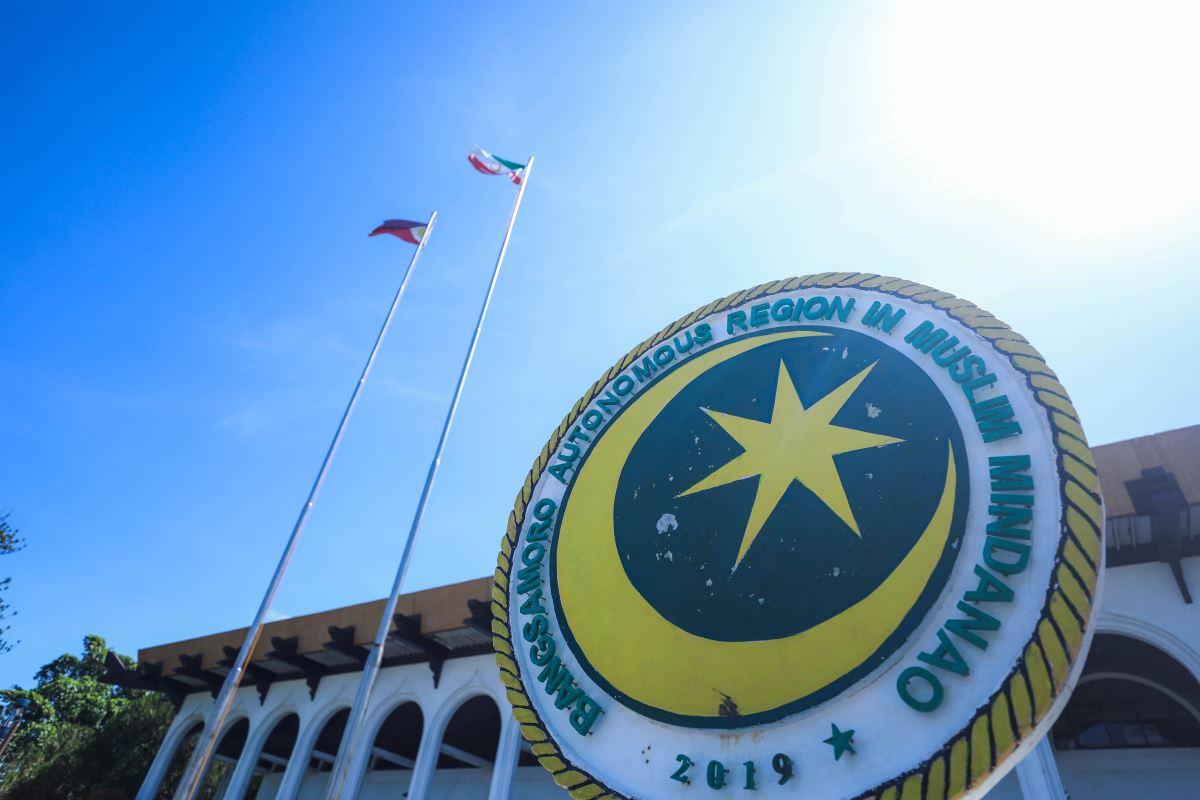
The Bangsamoro Autonomous Region in Muslim Mindanao (BARMM) has the highest illiteracy rate in the country, with 14.4% of residents aged five and above unable to read or write.
The plight of education in BARMM was evident in the 2024 Functional Literacy, Education and Mass Media Survey (FLEMMS) reported by the Philippine Statistics Authority (PSA) on Thursday, July 31.
The 14.4% score is more than double the national illiteracy rate of 6.9%, highlighting an alarming learning crisis in one of the country's poorest regions.
"As in any survey that we are conducting, there is disparity across regions—and across provinces and highly urbanized cities," said Claire Dennis S. Mapa, National Statistician and Civil Registrar General, during the presentation of the national survey results.
Hunger, literacy are deeply linked
Mapa said emerging analysis from the PSA's Community-Based Monitoring System (CBMS) shows a strong correlation between food insecurity and low literacy, particularly in Mindanao and other underdeveloped regions.
"If a person is hungry, learning becomes a challenge," Mapa said, adding that nutrition and poverty must be addressed alongside formal education to truly improve functional literacy.
He said the PSA is analyzing CBMS and FLEMMS data and will present more findings at the upcoming National Convention on Statistics.
Tawi-Tawi most at risk
Underscoring the need to strengthen education in the region, BARMM also registered the following scores in the 2024 FLEMMS:
- Lowest basic literacy rate (ability to read, write, and compute): 81.0% (compared to national average of 90.0%)
- Lowest functional literacy rate (which includes comprehension): 59.3% (compared to 70.8% nationally)
Within BARMM, Tawi-Tawi had the lowest basic literacy rate among all 82 provinces in the Philippines at 60.9%. The country's southernmost province also registered the lowest functional literacy rate at 33.2%—meaning two out of every three residents aged 10 to 64 cannot fully comprehend what they read.
These outcomes reflect decades of inequality in education access, compounded by poverty, food insecurity, and weak local capacity.
Top performers
As for the highest performing provinces, upland provinces in the Cordillera Administrative Region stood out:
- Apayao had the highest basic literacy rate among provinces at 95.2%
- Benguet topped functional literacy at 87.9%
Among highly urbanized cities:
- Pasay City posted the highest basic literacy rate at 96.2%
- San Juan City led in functional literacy with 94.5%
These top performers are generally urban or semi-urban areas, with better access to education, health services, and infrastructure.
Education isn't only barrier
The PSA dropped its previous practice of automatically classifying high school graduates as functionally literate, after finding that 2% of completers could not comprehend text in the 2019 survey.
All individuals aged five and above were directly tested last year—more than 572,000 people nationwide—making this the most rigorous and localized literacy assessment to date.
Only 10.8% of those with no formal education were functionally literate, while 93.2% of post-baccalaureate graduates passed.
"Literacy is not just about reading and writing—it's about comprehension," Mapa said.
"And to comprehend, a person must not only be educated, but nourished and supported," he stressed.
The 2024 FLEMMS was also the first time that the PSA generated literacy data down to the provincial and city level.
Mapa urged local government units (LGUs), especially in Mindanao, to use their corresponding regional data to design and fund targeted interventions.
"We want LGUs to own the data—this is your province's result, your city's challenge. What actions should your local government take?" he said.
Food insecurity, education, and literacy are deeply interconnected, the PSA said, and must be tackled as a whole—not in silos. — VDV, GMA Integrated News

