

 GMA Brandtalk
 Tracking
 Archives

DOJ taps UP for help on missing sabungero case
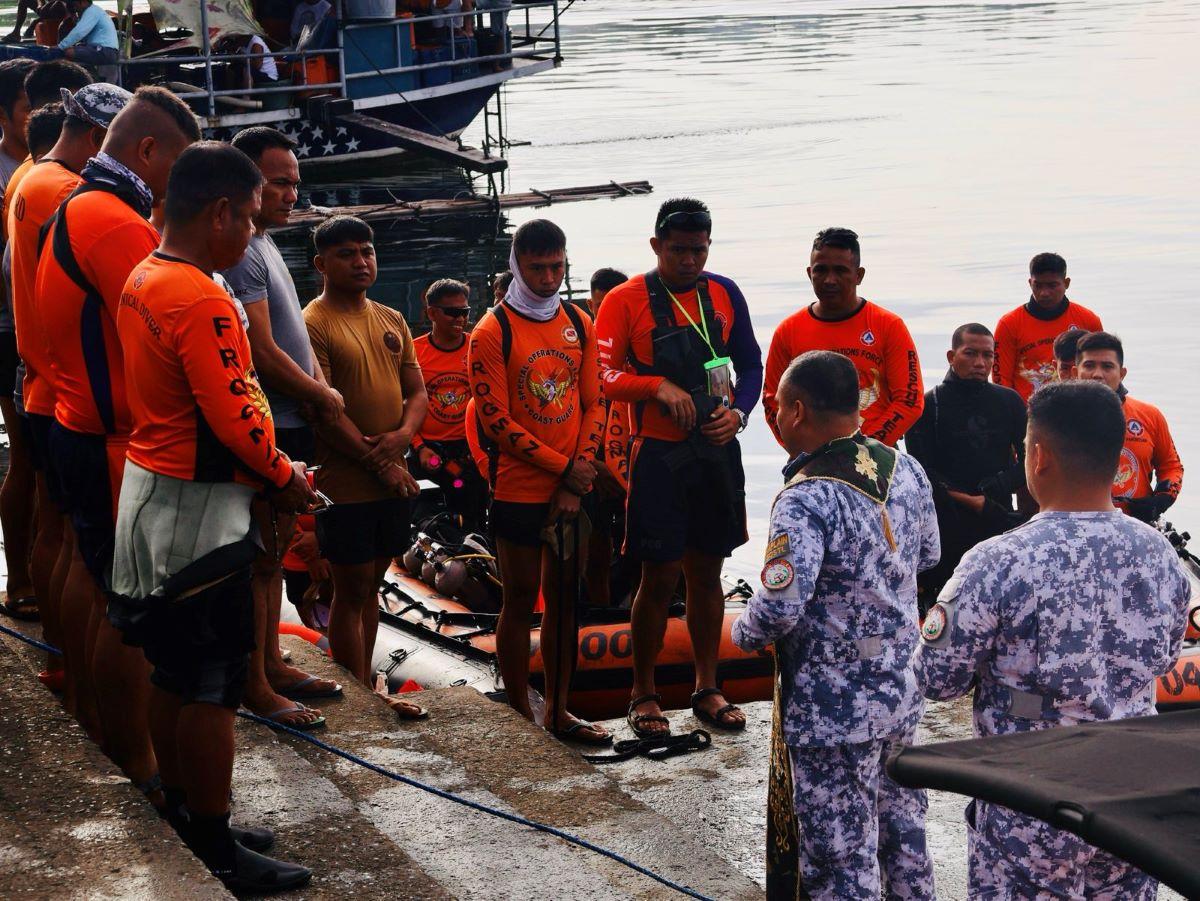
The Department of Justice (DOJ) has asked the University of the Philippines (UP) for help with the alleged human remains retrieved during the search for missing sabungeros who were allegedly thrown into Taal Lake, Justice spokesperson Mico Clavano said Thursday.
Clavano said the DOJ has tapped the UP Anthropology Department as well as the UP Forensic Pathology Department, through forensic pathologist Dr. Raquel Fortun, and the Japanese Government.
“The secretary still believes, especially with the teeth, lalo na po ‘yung buhok na pwede pa natin ito ma-DNA (especially the hair which which can still subject to DNA [test]),” Clavano said at a press briefing.
“We would like to get the best experts, the best minds, the best technology for us to be able to get to the bottom of this,” he later added.
This came after the PNP said that no DNA profiles were extracted from the bones recovered from Taal Lake because the remains have been submerged for a long time and already contaminated.
Whistleblower Julie “Dondon” Patidongan previously told authorities that more than 100 sabungeros were abducted, killed, and then dumped at Taal Lake.
The search and retrieval operations began on July 10 and are still ongoing.
During the briefing, Clavano presented the developments and alleged human bones retrieved during the dives. He noted that during one dive, authorities also retrieved what seems to be one whole upper body with the skull missing.
So far, authorities have recovered what seems to be human ribs, a human skull with its upper teeth, what seems to be hair, and other bones.
"We also know that behind the tooth, meron po talagang very potent diyan na area where you can get DNA. Kahit dentures po ang nakita natin, it’s possible still that we can use them as DNA samples,” he said.
Clavano said that at least 20 families have given their DNA samples.
Identification
Clothing which could help identify the individuals were also found. However, Clavano said families have yet to report back to the DOJ.
“Pinapakita po natin ito sa mga pamilya at wala pa kaming nakuhang advise pa sa kanila kung sa tingin nila po ay familiar yung mga damit na nakita natin, lalo na ‘yung may mga design,” he said.
(We are showing this to the families and we have not yet received any advice from them on whether they think the clothes we found, especially those with designs, look familiar.)
The Justice spokesman presented a shirt with a pink rose on the upper left side and pants.
“Ang importante din dito ay ma-identify po natin kung sino-sino ang mga ito. And that is why we are doing the DNA testing. That is why we are getting a DNA bank from the relatives. And that is why we are releasing this photos, so that we can identify sana, no, kung sino po talaga ang naungkat na,” he said.
(The important thing here is that we identify who these individuals are. And that is why we are doing the DNA testing. That is why we are getting a DNA bank from the relatives. And that is why we are releasing these photos, so that we can hopefully identify who was retrieved.)
He stressed that any information from the public would be helpful.
Meanwhile, when asked if the DOJ is coordinating with families of the missing sabungeros who withdrew from their case with the Manila court, Clavano said they would welcome it if the families could provide information on the identities of the bodies.
“Sa tingin po natin, kahit umatras na ‘yan sila, nakausap na yan sila ng kabilang side, they would still want to know whether or not itong mga remains na ito ay kamag anak nila,” he said.
(In our opinion, even if they have already backed out, and have already been spoken to by the other side, they would still want to know whether or not these remains are their relatives.)
“If they do identify, that is something that we can use. Dahil ang interest po ng state ang nakataya po dito. It is no longer a private matter. It is now the state, the people of the Philippines versus the respondents,” he added.
(If they do identify, that is something that we can use. Because what’s at stake here is the interest of the state. It is no longer a private matter. It is now the state, the people of the Philippines versus the respondents.) — RSJ, GMA Integrated News

