

 GMA Brandtalk
 Tracking
 Archives

OCTA: 'Sharp rise' in PH food poverty, jumps to 43%
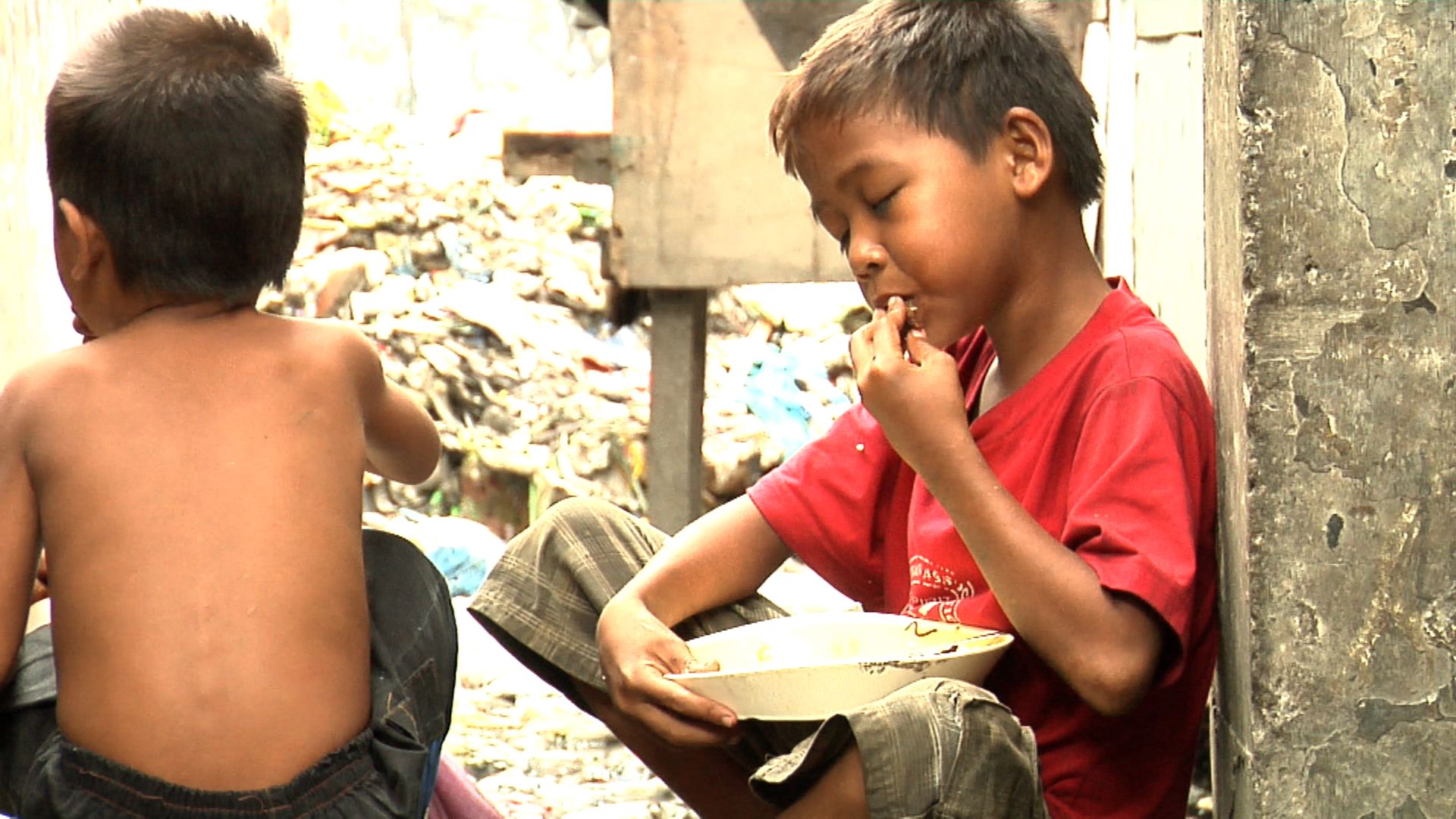
Food poverty in the Philippines surged by 8 points from April to July, pushing the ratio of Filipinos struggling to secure a sufficient and healthy diet to 43% or an estimated 11.3 million families, latest data by OCTA Research showed Wednesday.
In its July 2025 Tugon ng Masa (TNM) survey, OCTA reported that the 43% food poverty rate in July jumped sharply compared to 35% registered in April.
"The sharp rise in food poverty, despite stable overall poverty levels, suggests more families are finding it difficult to afford food, putting additional pressure on household budgets," OCTA Research said.
It added, "While overall poverty rates remain statistically unchanged, the data point to growing food insecurity. Possible factors include higher food prices, reduced household purchasing power, or changes in access to social assistance."
The OCTA Research findings comes just weeks after President Ferdinand "Bongbong" Marcos Jr. announced in his fourth State of the Nation Address last July 28 that his P20 per kilogram of rice program would expand nationwide to make the grain staple more affordable to Filipinos.
Disparities in nutritional access
In its survey, OCTA found that the highest level of food poverty was reported in Mindanao with 68%, followed by Visayas at 50%, Balance Luzon with 34%, and National Capital Region (NCR) with 17%.
The research firm noted "contrasting trends" that "highlight disparities in nutritional access" among socioeconomic groups, particularly the declining food poverty in Class ABC and persistently high rates in Class E, the lowest tier.
Class E had the highest incidence at 68%. On the other hand, Class ABC registered the highest decline at -13 points.
Analyzing responses of families who rated themselves food-poor, OCTA said the median monthly amount needed for home expenses to escape food poverty was P10,000.
An additional median amount of P5,000 was needed, OCTA added, so respondents would not see themselves as food-poor.
"Many may still have housing and basic assets, but are cutting back on the quality or quantity of their meals to cope with financial constraints. This could lead to health and nutrition challenges not yet reflected in broader poverty measures," OCTA said.
Self-rated poverty
Meanwhile, numbers for self-rated poverty—or those who consider themselves poor—across the Philippines "remained broadly stable."
OCTA placed the number at 45% in July 2025, which it described as a "statistically unchanged figure" from 42% in April 2025.
The July percentage represents some 11.9 million families. The highest rate of 63% was logged in Mindanao, while the highest incidence among socioeconomic groups was among Class E at 71%.
In terms of self-rated hunger, Mindanao recorded a sharp decline, from 23% in April to only 4% in July–the largest regional declines observed by OCTA.
"Mindanao recorded a dramatic improvement, with self-rated hunger dropping by 19 percentage points compared to April 2025—one of the largest regional declines observed by OCTA—reducing the rate to less than one-fourth of its previous level. In contrast, hunger increased by six percentage points in Balance Luzon and by 5 points in the Visayas," OCTA reported.
Self-rated hunger is assessed by OCTA based on the number of times families experienced hunger in the last three months.
Data for the survey was gathered through face-to-face interviews of 1,200 respondents nationwide. It has a ±3% margin of error at a 95% confidence level. — Jiselle Anne Casucian/ VDV, GMA Integrated News

