

 GMA Brandtalk
 Tracking
 Archives

US seeking Quiboloy extradition over trafficking, fraud charges
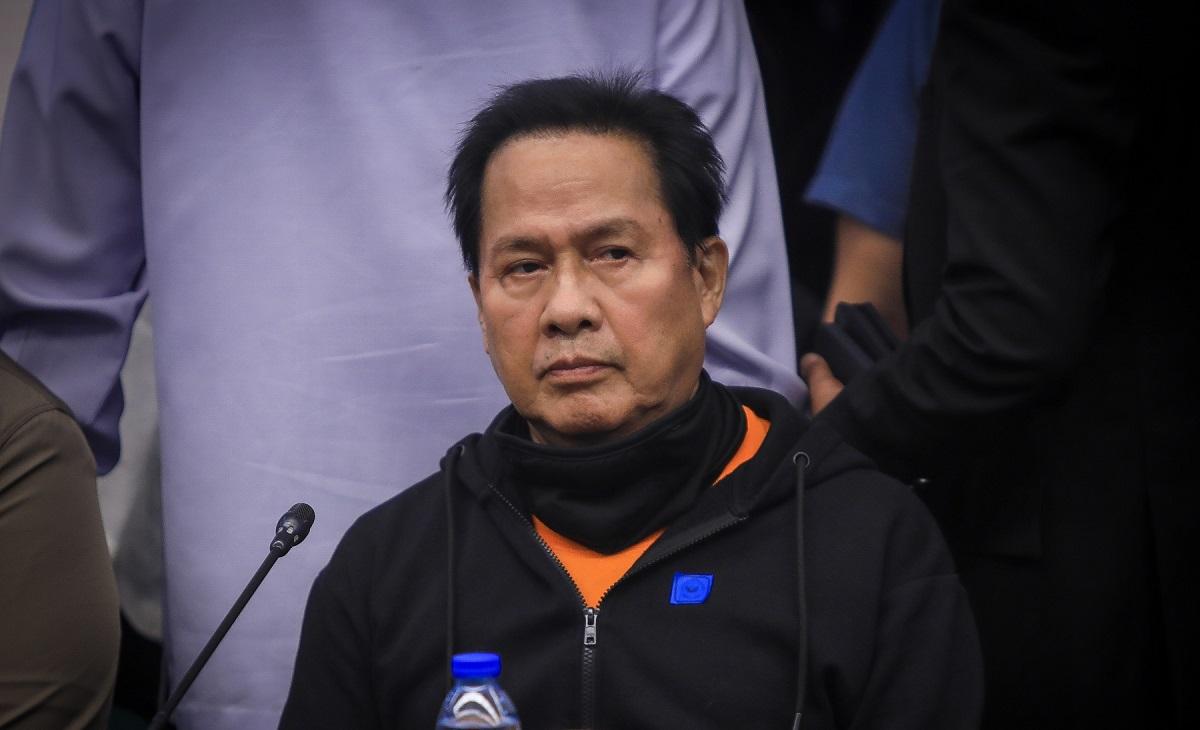
The United States is seeking the extradition of Filipino religious leader Apollo Quiboloy, who is wanted in the US for several charges, including child sex trafficking, engaging in sex with minors, fraud, and money laundering, Philippine government sources told GMA News Online on Wednesday.
Documents supporting the US request to extradite Quiboloy were transmitted to the Philippine Department of Justice in June this year, according to sources who have knowledge of the process, but spoke on condition of anonymity due to a lack of authority to speak on the issue.
Quiboloy, indicted by a US federal grand jury in 2021, landed on the Federal Bureau of Investigation's most wanted list, which identified the charges against him, such as conspiracy to engage in sex trafficking by force, fraud, and coercion, sex trafficking of children, and bulk cash smuggling.
“The US is seriously seeking the extradition request and taking the necessary steps with the Philippine government in bringing him to justice,” one of the sources said.
"Malacañang is also aware of the US extradition request," the source told GMA News Online.
Philippine Ambassador to Washington Jose Manuel Romualdez confirmed the United States' request for Quiboloy's extradition.
"I can confirm the documents/evidence for the extradition request are all now with the DOJ. They have been there since June," Romualdez told GMA News Online.
Romualdez said US Ambassador MaryKay Carlson and Justice Secretary Crispin Remulla were expected to meet next week to discuss the matter.
An extradition treaty signed in 1994 by Manila and Washington states that "all requests for extradition shall be submitted through the diplomatic channel" and "shall be supported by documents, statements, or other types of information which describe the identity and probable location of the person sought."
The Philippines is mandated under the treaty to promptly notify the US through the diplomatic channel of its decision on the extradition request.
If the extradition request is granted, "the authorities of the contracting parties shall agree on the time and place for the surrender of the person sought," the agreement said.
In a message to reporters, Justice spokesperson Mico Clavano said the DOJ had no information yet on the extradition request.
When asked if an individual facing charges in the country may be extradited, Clavano said courts may act on cases with urgency to prevent delaying a valid extradition.
“The rule is that he must first face trial and, if convicted, serve his sentence here before extradition may proceed,” he added.
“However, courts retain the power to act on cases with urgency, so if circumstances warrant, we may move to resolve proceedings in order not to unduly delay a valid extradition request,” Clavano said.
The US Embassy in Manila referred the question to the US Department of Justice when asked for comment.
"I was told by the DFA secretary, Tess Lazaro, that they haven’t received any request for extradition," Justice Secretary Jesus Crispin Remulla said.
Extradition treaty
Under the extradition treaty, the requesting state should provide a statement of the facts of the offense and the procedural history of the case; a statement of the provisions of the law describing the essential elements of the offense for which extradition is requested; and a statement of the provisions of law describing the punishment for the offense.
Probable cause for the arrest should also be provided as well as committal for trial if the offense had been committed there; a copy of the warrant or order of arrest issued by a judge or other competent authority; and a copy of the charging document.
Extradition shall not be granted if the offense for which extradition is requested is a political offense, politically motivated, a military offense or punishable by death under the laws in the requesting state.
Extradition will also be denied when the person sought has been tried and convicted or acquitted in the requested state for the offense for which extradition is requested.
If the request is denied in whole or in part, the Philippine government should "provide information as to the reasons for the denial.
KOJC head, known Duterte ally
Quiboloy, 75, is the founder and leader of the Kingdom of Jesus Christ church based in Davao City, where former Philippine leader Rodrigo Duterte served as mayor for years.
Duterte, who oversaw a deadly and brutal war on drugs, was arrested in Manila on March 11 this year on the basis of an arrest warrant by the International Criminal Court. He is locked in a detention facility in The Netherlands while awaiting trial for charges of crimes against humanity.
Quiboloy, also facing allegations of sexual and child abuse and human trafficking in the Philippines, surrendered to authorities in September 2024 after weeks of hiding as massive police and military force was deployed to hunt him down in his religious group's sprawling compound in Davao, where hundreds of his supporters tried to block his arrest. He is currently detained at the Pasig City jail.
In 2021, US federal prosecutors said Quiboloy allegedly coerced women and underage girls into sex "under the threat of physical and verbal abuse and eternal damnation."
They were told that performing "night duty" was "God’s will" and "a privilege," as well as "a necessary demonstration" of their commitment to give their body to Quiboloy as "The Appointed Son of God.’”
The indictment also included two other male administrators of KOJC in the US and outlined the group's nationwide soliciting operations, which allegedly gave rise to additional criminal conduct, including forced labor, labor trafficking, document servitude, marriage fraud and money laundering. — with a report from Joahna Lei Casilao/NB/RSJ/RF, GMA Integrated News

