

 GMA Brandtalk
 Tracking
 Archives

Gov't body warns vs. fake news on abandoned children
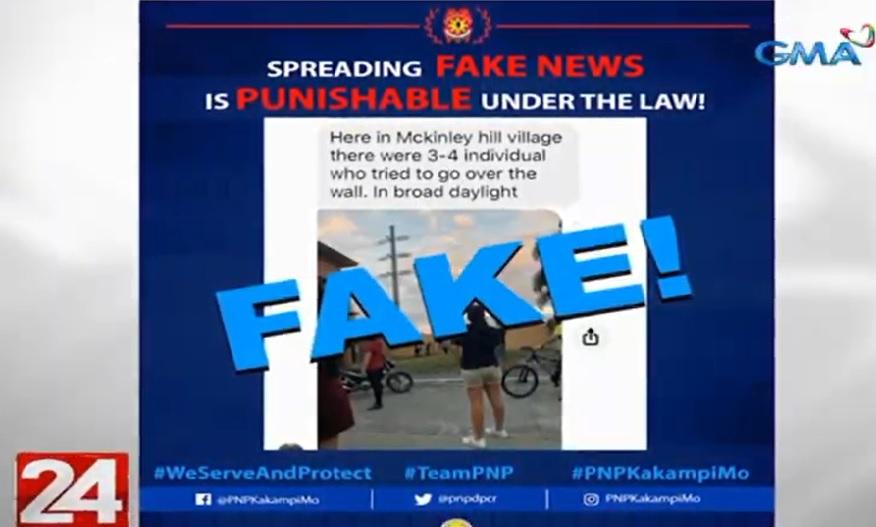
The National Authority for Child Care (NACC) has warned the public against spreading fake news on abandoned children or foundlings, stressing that such misinformation not only misleads the public but also stigmatizes vulnerable children.
Assistant Secretary Rowena Macalintal said the warning was issued following a viral social media post claiming that a baby was found hanging from a tree in Agusan del Sur—an incident the agency confirmed was false.
“Meron pong lumaganap at nag-viral o nag-trend po na post patungkol sa isang bata na nakitang nakasabit sa puno sa Agusan del Sur. Hindi po ito totoo. Wala pong foundling, wala pong bata na natagpuan, na nakasabit sa puno, doon po sa local government unit na nabanggit,” she said.
(There was a viral post about a child found hanging from a tree in Agusan del Sur. This is not true. No foundling, no child was discovered there by the LGU.)
Macalintal explained that the NACC immediately verified the post through its regional office in Caraga, which coordinated with the local government of Bayugan City and the municipal social welfare officer. Both confirmed that no such case occurred.
The agency stressed that spreading false stories about abandoned children violates their dignity and identity.
“Ang mga bata po na inabandona o mga foundlings natin, they deserve the right to a dignity. They deserve the right to nationality, identity and of course the full respect po bilang isang human being,” Macalintal said.
(Abandoned children or foundlings deserve dignity, nationality, identity, and the full respect of being human beings.)
She noted that the Foundling Recognition and Protection Act (Republic Act No. 11767) recognizes foundlings as natural-born Filipino citizens and provides legal safeguards to secure their rights and welfare.
Fake news harms child protection efforts
Macalintal then warned that false reports not only misinform the public but also disrupt the work of social workers and rescue teams.
“Kung may false information, false news na ganito, nababagabag po ang mga taong bayan natin… nagagalit sila sa pamahalaan, sa social workers, sa gobyerno. E wala namang basehan ang galit na iyon dahil hindi naman totoo,” she said.
(When there is false news like this, people get agitated and angry at the government and social workers—even if there is no basis, because the incident isn’t real.)
She added that those behind fake news may also face cyber libel charges for violating the confidentiality and protection standards guaranteed to children in vulnerable situations.
Safe haven for children at risk
The NACC also reminded parents, particularly mothers who feel unable to care for their children, that the law provides a safe and legal way to surrender babies to authorities without putting them in harm’s way.
“Kung hindi na ninyo gustong alagaan ang inyong anak, meron po tayong mekanismo sa ating batas… pwede po ninyong isurrender ang bata sa ating safe haven providers sa DSWD facilities o local social welfare offices—kesa itapon ninyo lang kung saan-saan.”
(If you no longer wish to care for your child, the law provides mechanisms to surrender them to safe haven providers—such as DSWD facilities or local social welfare officers instead of abandoning them in dangerous conditions.)
Macalintal said surrendered children are given proper care, registered with civil authorities to secure a birth certificate, and may later be declared legally available for adoption.
“Hindi po kailangang itapon, hindi po kailangang iwan kung saan-saan ang inyong mga anak… maipapaampon po natin sila at mapapangalagaan ang kanilang buhay,” she added.
(You do not need to throw away or abandon your children anywhere… they can be adopted and their lives protected.)
The NACC urged the public to verify information before posting online and to help protect children’s rights by avoiding the spread of unverified stories. —LDF, GMA Integrated News

