

 GMA Brandtalk
 Tracking
 Archives

Deputy Speaker Puno backs release of SALNs sans officials' consent
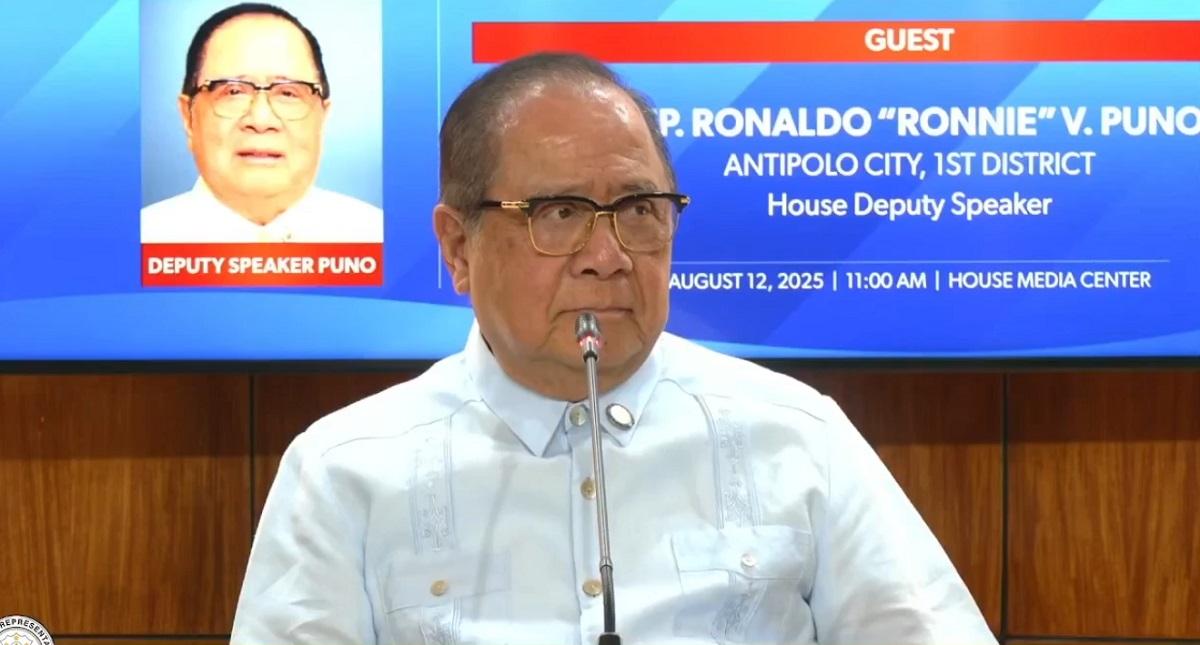
The Ombudsman should grant requests for copies of Statement of Assets, Liabilities and Net Worth (SALN) of public officials because there is no legal impediment to it, Deputy Speaker Antipolo Rep. Ronaldo Puno said Friday.
Asked if the Office of the Ombudsman should amend its 2020 policy restricting access to SALN, wherein a request for SALN of a public official won’t be granted unless there is consent from the owner of the SALN.
“I don't think there is anything in the law that prevents a SALN document from being given to the public. It should be a public record,” said Puno, a former secretary of the Department of the Interior and Local Government.
The Ombudsman is the repository of the SALN of public officials and government employees.
“Why require us to file SALN when it is confidential? The purpose of that is to ensure that there is no ill-gotten wealth on the part of anyone. Public office is a public trust. All documents that you submit in order to get into the public office should also be public,” Puno said in a news conference.
'Declarations under oath'
Under the Republic Act 6713 or the Code of Conduct and Ethical Standards for Public Officials and Employees, public officials and employees "have an obligation to accomplish and submit declarations under oath of, and the public has the right to know, their assets, liabilities, net worth and financial and business interests including those of their spouses and of unmarried children under 18 years of age living in their households.”
Section 8C.A of RA 6713, on the other hand, mandates disclosure of SALNs to the public at a certain period of time and as long as the one making the request shoulders the cost of reproduction and mailing of the SALN copies.
Chapter 9, Section 34 of the Administrative Code of 1987 Book 1 reads "in the case of the President, the Vice-President, the Members of the Cabinet, the Congress, the Supreme Court, the Constitutional Commissions and other constitutional offices, and officers of the armed forces with general or flag rank, the declaration shall be disclosed to the public in the manner provided by law.”
'Just a policy'
Asked if the Ombudsman should grant a request for SALN without the consent of the SALN owner, Puno said, “I think he should, unless there is any law that prevents him from doing it."
He said the consent requirement was "just a policy."
In the same press conference, Puno backed the President’s call for a lifestyle check, saying the lifestyle check can be done simultaneously by the Ombudsman, the journalists, and even members of the public.
“Ostentatious display of wealth is, at the very least, improper and undesirable for public officials. Why limit it to the Ombudsman? Why can't the media do lifestyle checks, too?" Puno said.
"Now, people in social media are doing lifestyle checks on those people allegedly involved in the disputes [on flood control projects],” he added.
“I mean, you have the capability to do it, and I don't see any reason why the media should not be allowed to do this,” Puno told reporters.
RA 6713 of the Code of Conduct and Ethical Standards for Public Officials provides that “public officials and employees and their families shall lead modest lives appropriate to their positions and income” and that “they should not indulge in extravagant or ostentatious displays of wealth in any form.”
'Improper display of wealth'
Puno, however, said the law should be amended to clearly define where improper display of possessions would cross the line.
“We have to review the law on when does improper display of your possessions constitute something that is inimical or contrary to the society’s values and beliefs? When it is contrary to law? Because lifestyle check is not just about gossiping,” Puno said.
“You do lifestyle checks for case buildup. If you conduct a lifestyle check and they cannot explain their wealth, you find out where it is coming from. But if you see an ostentatious display of wealth that should be enough basis for an investigative body to look into the records of a public official,” he added.
Back in 2020, then Ombudsman Samuel Martires said that he had stopped conducting lifestyle checks on public officials because wealth is not necessarily an indicator of corruption. –NB, GMA Integrated News

