

 GMA Brandtalk
 Tracking
 Archives

EDCOM 2: Only 1 in 4 Grade 3 students can perform division correctly
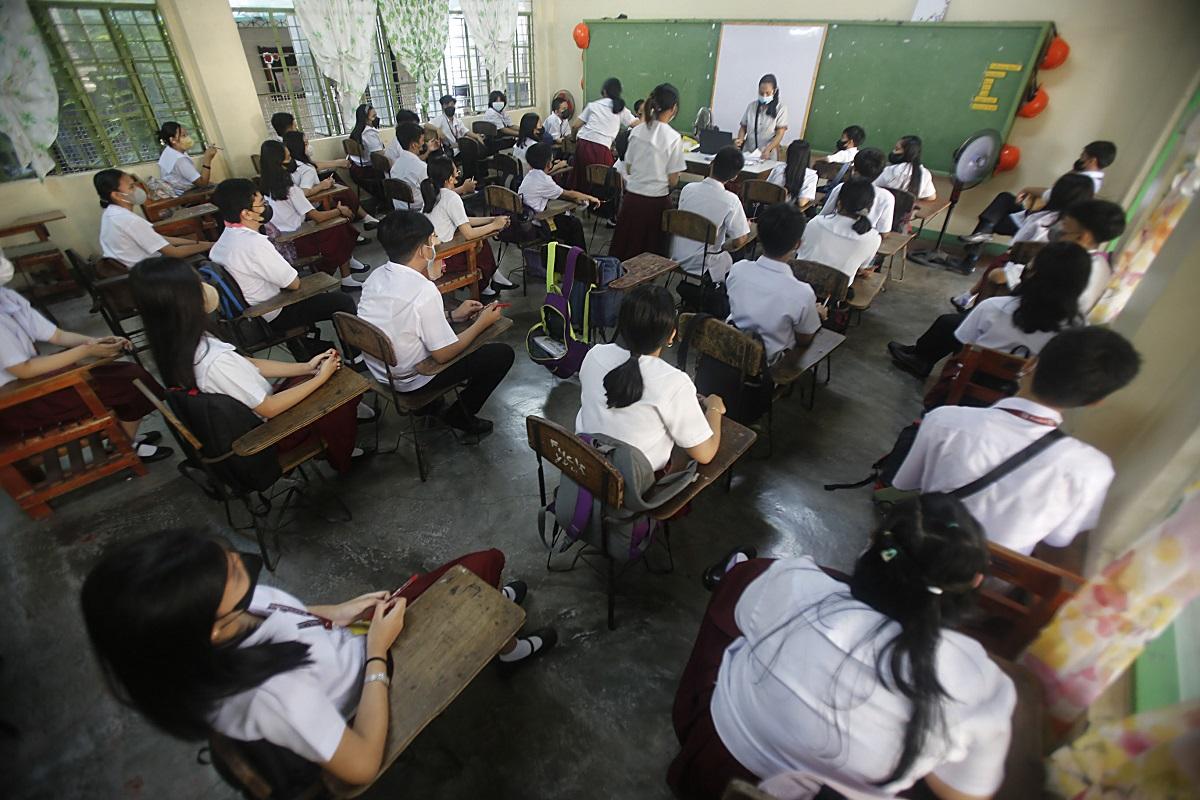
Many Filipino Grade 3 students continue to struggle with basic mathematics, with only one in four able to perform division correctly by the end of the grade level.
This was revealed by the Second Congressional Commission on Education (EDCOM 2) during a joint House hearing on Tuesday, citing results from the Department of Education’s recent assessments.
According to the data, just 24 percent of Grade 3 students nationwide demonstrated proficiency in division — the lowest across all tested areas.
Geometry also proved challenging, with only 30 to 50 percent of learners proficient, depending on the region.
Early warning signs
EDCOM 2 Executive Director Dr. Karol Mark Yee said the results showed how children were failing to acquire foundational numeracy skills during the most critical years of learning.
“Kung hindi marunong magbasa at magbilang ang isang bata sa Grade 3, magpapatong-patong ang problema hanggang high school,” Yee said.
(If a child cannot read and count by Grade 3, the problems will pile up all the way through high school.)
While students showed stronger performance in fractions, mass, and patterns, with some regions posting above 70 percent proficiency, the ability to perform basic operations like multiplication and especially division remained alarmingly low.
Regional disparities
The Bangsamoro Autonomous Region in Muslim Mindanao (BARMM) recorded the weakest results, with only 24 percent of Grade 3 pupils proficient in division and just 30 percent in geometry.
In contrast, the National Capital Region (NCR) ranked higher overall, but still only reached 24 percent proficiency in division — showing that even better-resourced regions are not immune to foundational math struggles.
The assessment covered over 185,000 Grade 3 students in NCR alone, and nearly 1.3 million nationwide, making it one of the most comprehensive snapshots of early-grade math skills to date.
Policy implications
Yee said that weak numeracy skills at Grade 3 severely limited children’s ability to catch up in later years.
“We cannot expect students to solve word problems in Grade 6 or handle algebra in high school if they never mastered division in Grade 3,” he said.
EDCOM pointed to two major structural barriers:
- Severe classroom shortages that lead to shortened instructional hours and shifting schedules.
- High rates of stunting and malnutrition, which impair cognitive development before children even enter school.
“Both nutrition and learning time are essential. Without them, math proficiency will remain low,” Yee added.
Call for urgent reforms
Lawmakers were urged to focus education spending on strengthening literacy and numeracy programs from Kindergarten to Grade 3, rather than overloading the curriculum with non-core subjects.
The commission also recommended improving teacher training in early-grade math, alongside interventions to reduce class congestion.
The latest results, EDCOM warned, should serve as an early alarm.
“If by Grade 3 we already see children struggling with the most basic operations, the system is setting them up for failure in higher education and the workforce,” the report said. –NB, GMA Integrated News

