

 GMA Brandtalk
 Tracking
 Archives

DepEd seeks P928.5-B budget for 2026
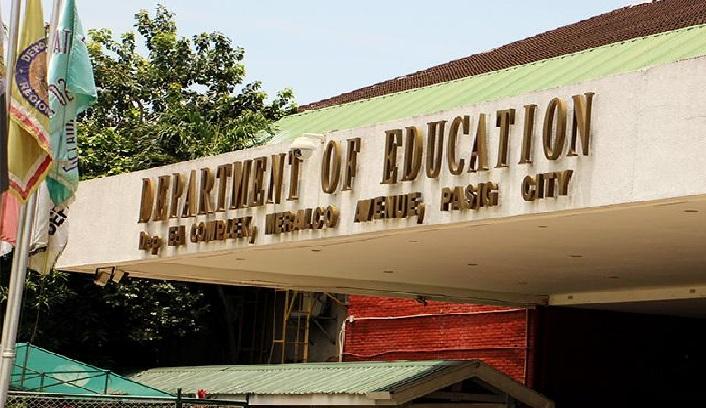
The Department of Education is seeking a P928.52-billion budget for 2026, outlining plans to ease classroom shortages, address child malnutrition, and expand digital access for teachers and learners.
The proposed allocation, equivalent to 4% of the country’s GDP, was presented before the Senate finance subcommittee.
DepEd said the budget will not only address immediate concerns in public schools but also invest in long-term reforms to strengthen the education system.
Education Secretary Sonny Angara said in a press release that the agency’s priorities remain focused on students and teachers.
“Malaki pa ang hamon na hinaharap natin sa sektor ng edukasyon, ngunit malinaw ang direksyon — bawat pondo ay para sa mga guro at mag-aaral. Mahalagang puhunan ang suporta ng ating Pangulo at ng ating mga mambabatas upang tugunan ang mga agarang pangangailangan habang binubuo natin ang matibay na pundasyon ng edukasyon,” Angara said.
(We still face major challenges in the education sector, but the direction is clear — every peso is for teachers and students. The support of our President and lawmakers is a vital investment to meet urgent needs while building a strong foundation for education.)
The 2026 budget proposal includes:
- P13.2 billion for classrooms to construct nearly 4,900 new rooms in 2026, with a target of up to 40,000 by 2028 through public-private and local government partnerships.
- P11.8 billion for school-based feeding, providing meals for all kindergarten pupils and undernourished students in Grades 1 to 6.
- P16 billion for digital tools, supplying laptops to teachers and extending internet connectivity to schools not yet online.
- P6 billion for teacher career progression, supporting the promotion of about 113,000 teachers and school leaders.
To promote accountability, DepEd said it will publish monthly public dashboards showing classrooms built, meals served, and devices distributed, as part of open government initiatives.
“Ang edukasyon ay hindi natatapos sa isang taon o sa isang budget cycle. Ito ay pangmatagalang laban na nangangailangan ng matatag na suporta ng pamahalaan, ng pribadong sektor, at ng bawat Pilipino,” Angara added.
(Education does not end in one year or one budget cycle. It is a long-term battle that requires steady support from the government, the private sector, and every Filipino.)
Angara also thanked senators for backing DepEd’s priorities and expressed optimism that Congress would secure fiscal space for what he described as “critical programs.” —AOL, GMA Integrated News

