

 GMA Brandtalk
 Tracking
 Archives

DepEd vows to prioritize last mile schools, 200–300 set for electrification
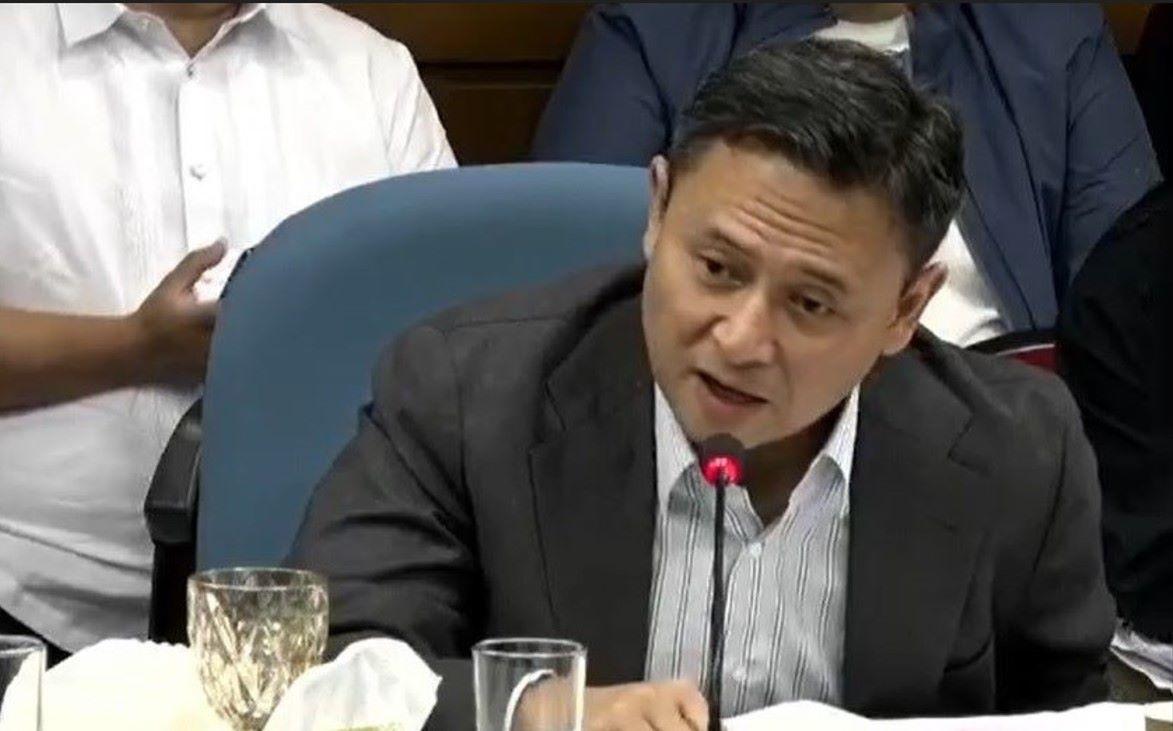
The Department of Education (DepEd) on Tuesday assured senators that last mile schools in remote and indigenous communities will be prioritized in the coming year, with up to 300 schools slated to receive electricity for the first time.
At the Senate hearing on the agency’s proposed 2026 budget, Senator Loren Legarda stressed the urgency of supporting students and teachers in far-flung areas who struggle with long journeys to class.
“Mayroong mga estudyante na tumatawid ng ilog, umaakyat ng bundok, naglalakad ng ilang kilometro para makapasok. Nangyayari sa amin ‘yan sa Antique, nangyayari sa napakaraming probinsya,” she said.
(There are students crossing rivers, climbing mountains, and walking several kilometers just to go to school. This happens in my province, Antique, and in many other provinces.)
Legarda cited the case of a cultural minority school in Romblon where three teachers stayed with their pupils for days, bringing rice and vegetables to sustain both themselves and their students.
Education Secretary Sonny Angara confirmed that addressing such schools is a presidential priority.
“I think it’s a priority. The President has made it his priority,” Angara said, adding that “200 or 300 schools” will be funded for electrification this year under a partnership with the National Electrification Administration (NEA).
He recalled that one school in Agusan del Norte had no access to electricity and was so remote that teachers were forced to sleep on campus.
“Yung naabutan naming principal doon, I think there’s only less than 100 students, natutulog yung mga teacher doon dahil ang hirap bumalik sa munisipyo o poblacion,” Angara said.
(The principal we met there had fewer than 100 students, and teachers slept on campus because it was too difficult to return to town.)
Through a new electrification program developed with NEA and the University of the Philippines College of Engineering, the school was connected to power. On the same day, the Department of Information and Communications Technology (DICT) also brought internet connectivity on orders from President Ferdinand Marcos Jr.
“Can you imagine a community that had no access to electricity, much less the internet? On the same day, nagkaroon ng ilaw at internet. Ang kwento sa amin nung principal, ayaw daw umuwi ng mga bata dahil tuwang-tuwa sila,” Angara said.
(On the same day, they were connected to electricity and internet. The principal told us the students did not want to go home because they were so happy.)
Angara said such investments not only transform the learning experience but also uplift entire communities through shared access to solar power and connectivity.
In June, the Department of Information and Communications Technology (DICT) and DepEd launched the Digital Bayanihan Project, which aims to expand internet access across schools in remote areas as part of the government’s digital inclusion efforts for Geographically Isolated and Disadvantaged Areas (GIDA) communities.
Among the Last Mile Schools that now have internet access are:
Radagan Elementary School, Ilocos Norte (Region I)
Chanarian Elementary School, Batanes (Region II)
Tibagan Elementary School, Bulacan (Region III)
Caigdal National High School, Quezon (Region IV-A)
Ulanguan Elementary School, Marinduque (Region IV-B)
Lipata Integrated School, Camarines Sur (Region V)
Bay-ang National High School, Iloilo (Region VI)
Salamanca National High School, Cebu (Region VII)
Tigbawan Integrated School, Leyte (Region VIII)
Pag-asa Elementary School, Tawi-Tawi (Region IX)
Dalingap Elementary School, Misamis Occidental (Region X)
Malungon Elementary School, Cotabato (Region XII)
Cabawa Elementary School, Surigao del Norte (Region XIII)
Datu Saldong Domino Elementary School, Agusan del Norte (Region XIII)
Tangalan National High School, Apayao (CAR)
—VBL, GMA Integrated News

