

 GMA Brandtalk
 Tracking
 Archives

House OKs more proposed funds for DepEd classrooms, feeding, tutoring programs
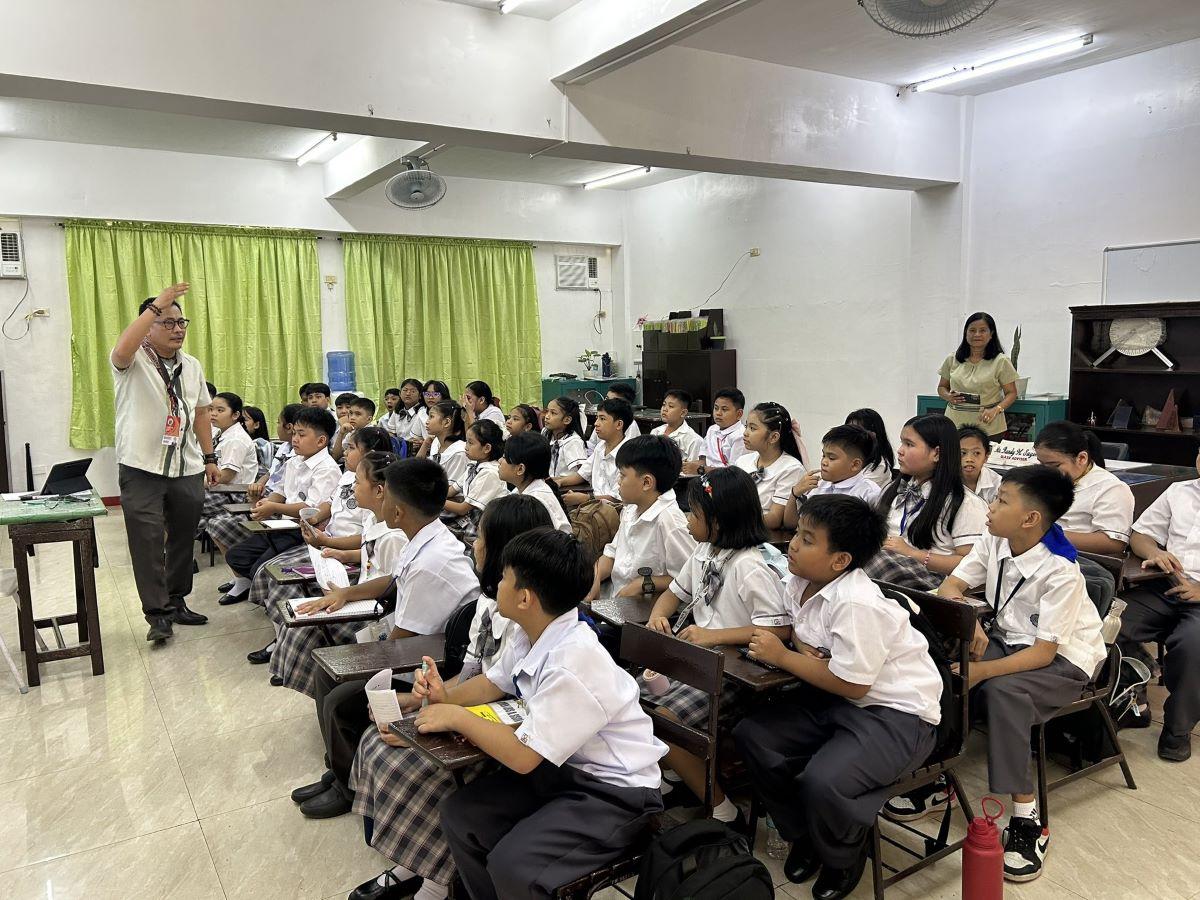
The Department of Education (DepEd) welcomed Thursday the House of Representatives' approval of billions in additional proposed funding for its 2026 budget, saying the move would accelerate classroom construction, expand feeding and tutoring programs, and strengthen support for learners in vulnerable and marginalized groups.
The amendments were approved Tuesday night during the plenary deliberations on the national budget, potentially hiking what was already a historic allocation for the education sector at P1.224-trillion budget under the 2026 National Expenditure Program (NEP).
While the education sector is mandated by law to receive the highest allocation, the DepEd said, this marked the first time that the Philippines met the 4% UNESCO benchmark for education spending. The DepEd had proposed to receive P928.52 billion in 2026.
"Pasalamat tayo sa Kongreso na dinagdagan nila ang budget para sa edukasyon. Malaking bagay 'yung dagdag na classrooms, upuan, at feeding program para mas gumaan ang sitwasyon sa mga paaralan. Pero ang pinakamahalaga, maipatupad agad nang maayos para makahabol tayo sa mga naantalang proyekto at maramdaman agad ang resulta ng mga mag-aaral at guro," Education Secretary Sonny Angara said in a statement on Thursday.
(We thank the Congress for increasing the budget for education. The additional classrooms, chairs, and feeding program will make a big difference in easing the situation in our schools. But most importantly, these must be implemented properly and without delay so we can catch up on delayed projects and allow students and teachers to immediately feel the results.)
One of the biggest additions is the P22.5-billion allocation for the Basic Education Facilities Fund, which will speed up the construction, completion, and rehabilitation of classrooms, as well as the procurement of school furniture.
Lawmakers also backed DepEd's plan to tap local government units and public-private partnerships to ensure the timely delivery of classrooms and furniture.
Congress also approved additional funds for programs of out-of-school youth and learners in special contexts, including P306 million for the Alternative Learning System and Flexible Learning Program, P193 million for Special Needs Education, P79.6 million for the Indigenous Peoples Education Program, and P26.25 million for the Madrasah Education Program.
To address pandemic learning losses, the Academic Recovery and Accessible Learning (ARAL) Program will receive P579.5 million for overload pay of public school teachers and P984 million for the compensation of non-DepEd tutors. These funds will allow schools to extend tutoring services to struggling learners across the country.
Meanwhile, the School-Based Feeding Program (SBFP) received an additional P1.88 billion on top of the P11.8 billion already included in the National Expenditure Program.
The DepEd said the expanded funding will help ensure that millions of learners continue to receive nutritious meals—a key intervention for improving student well-being and academic performance.
Angara assured that the DepEd will work closely with Congress, the Department of Public Works and Highways, local governments, and other partners to ensure that the new funds are implemented effectively and without delay.
"With this budget support, we can move faster to deliver classrooms, meals, and services that learners urgently need. Our goal is to make sure every peso directly improves the learning experience in schools," Angara added.
The additional funding for DepEd became possible after P255 billion for flood control projects were realigned to various agencies after President Ferdinand "Bongbong" Marcos ordered a sweeping review of the DPWH budget. — VDV, GMA Integrated News

