

 GMA Brandtalk
 Tracking
 Archives

PNP warns vs smishing using Nartatez’s name
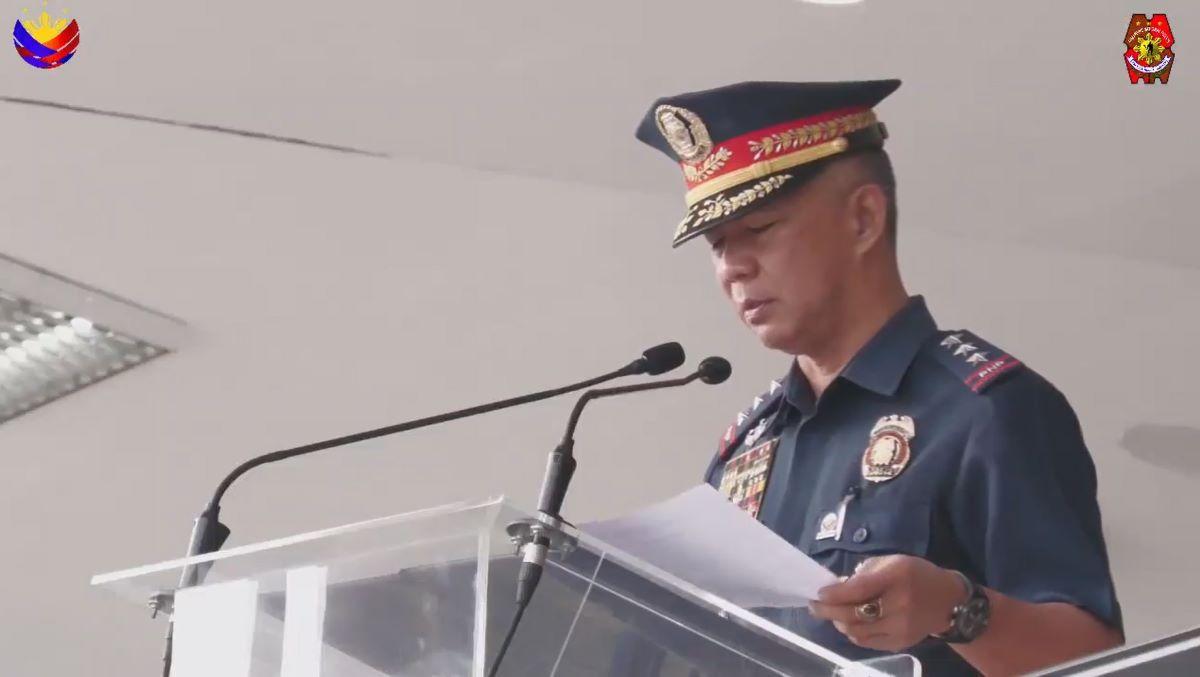
The Philippine National Police (PNP) on Monday warned the public against “smishing” activities using the name of PNP acting chief Police Lieutenant General Jose Melencio Nartatez Jr.
“Ang PNP ay nagbabala sa publiko laban sa mga indibidwal o grupo na iligal na gumagamit ng pangalan ng ating Chief PNP,” PNP spokesperson Police Brigadier General Randulf Tuaño said in a press briefing.
(The PNP warns the public against individuals or groups who are illegally using the name of our Chief PNP.)
“Mariing pinaalalahanan ng PNP ang lahat na ang ating Chief PNP ay hindi magbibigay ng pahintulot sa sinumang tao na gamitin ang kaniyang pangalan o posisyon para sa kanyang pansariling interes o layunin,” he added.
(The PNP strongly reminds everyone that our Chief PNP will not give permission to any person to use his name or position for his personal interest or purpose.)
Smishing is the fraudulent practice of sending text messages pretending to be from a company, government, or person in order to induce individuals to reveal personal information, such as passwords or credit card numbers.
In 2024, caller identification service provider Whoscall said a total of 6,157,517 text short message service (SMS) scams were reported in the Philippines.
Cybercrime Investigation and Coordinating Center (CICC) executive director Undersecretary Alexander Ramos pointed out a shift in text scam schemes during the last quarter in 2024.
“Spoofing scams, where scammers impersonate official SMS channels of telcos, e-wallets, digital banks, and other brands by sending messages containing malicious links, have become more prevalent,” Ramos earlier said.
“The tone of these Spoofing scam messages often creates a sense of urgency, often claiming rewards will expire or passwords are about to become invalid. These messages typically instruct recipients to click on a link to update their information. However, this link is a gateway for scammers to access their victims’ digital banking or e-wallet accounts,” he added.
Around 600,000 Filipinos fell prey to text scam in 2024. Most of these were reported in the fourth quarter also with 201,760, according to Whoscall.
“Many are in need of cash or extra income during the holiday seasons,” Ramos said. — RF, GMA Integrated News

