

 GMA Brandtalk
 Tracking
 Archives

No new virus, says DOH; class suspensions are for flu season preps, earthquake drills
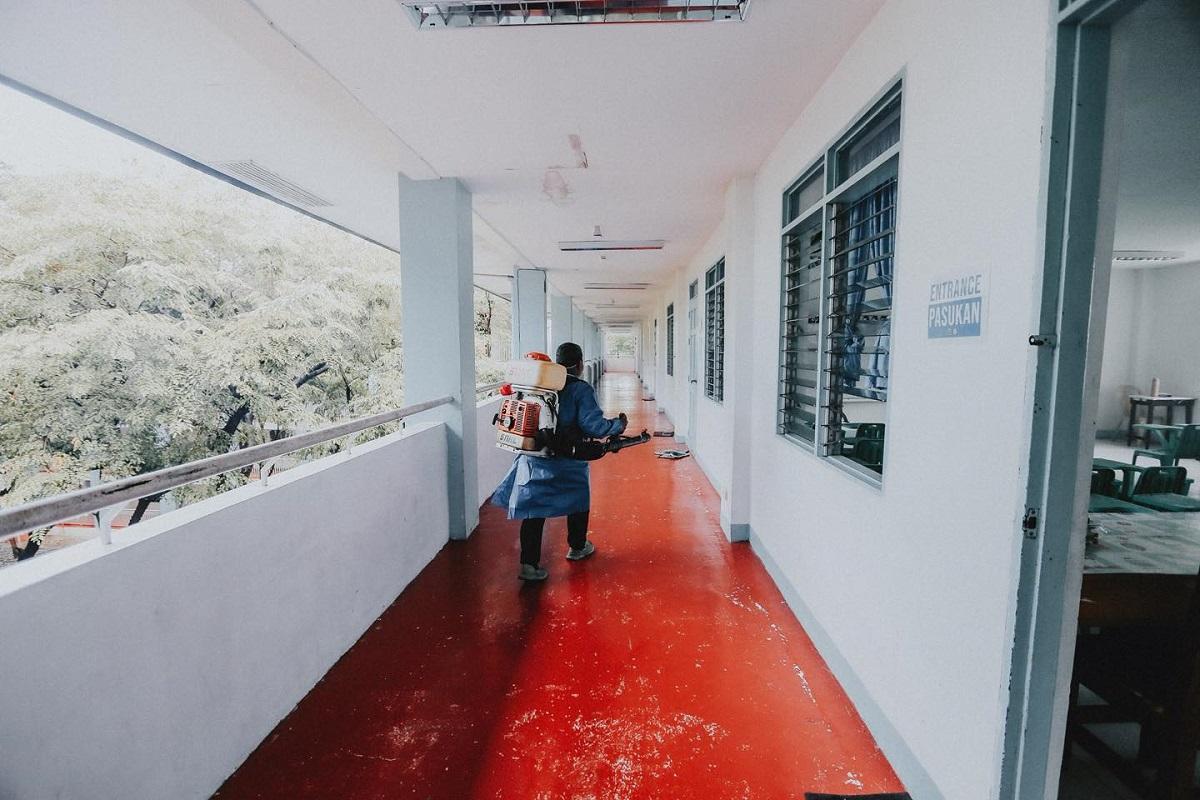
The Department of Health (DOH) on Monday clarified that there is no new virus spreading in the country amid reports of rising cases of influenza and influenza-like illnesses (ILIs), emphasizing that the recent class suspensions announced by the Department of Education (DepEd) are precautionary and partly linked to earthquake preparedness.
“At the national level, the number of influenza-like illnesses is lower than last year thus far,” DOH Assistant Secretary Albert Domingo told reporters in a Viber message.
“It is sound precaution for local and institutional health authorities to practice preventive measures to keep the numbers down.”
Domingo stressed that the DepEd’s two-day suspension of face-to-face classes in Metro Manila is “normal precaution” and also coincided with preparations for the so-called “Big One,” a massive earthquake scenario that agencies have been training for.
“Ito po ay normal lamang na pag-iingat at base na rin sa kanilang anunsyo, sinabay nila sa earthquake preparedness para sa Big One,” he said.
In an interview with Unang Balita, Domingo said ILIs or flu-like illnesses remain among the most common seasonal ailments, but current figures show an 8 percent decrease compared to last year.
“Actually, our numbers are lower than last year,” he said.
“As of September 27, 2024, we had 132,538 reported cases. This year, there are 121,716—that’s lower by 8 percent.”
He explained that the uptick in mild flu cases is expected during the rainy months from June to November, which mark the country’s annual flu season.
“Walang bagong virus,” Domingo clarified.
“The top three causes of ILI this season are Influenza-A, Rhinovirus or common colds, and Enterovirus. These are all long-known viruses.”
Domingo said there is no plan to reimpose a facemask mandate, though he encouraged parents and teachers to make mask-wearing a personal habit, especially when showing symptoms.
“If we or our children have symptoms, it’s best to wear a facemask,” he said. “Schools can also remind parents if a child is visibly sick, so they don’t spread it to others.”
Domingo also shared that Health Secretary Teodoro Herbosa and other Cabinet officials have traveled to Davao Oriental to inspect hospitals and extend assistance to areas affected by successive earthquakes, including Bogo City in Cebu.
On Sunday, the Department of Education—National Capital Region suspended face-to-face classes (F2F) in all public schools in Metro Manila on Oct. 13 and 14 to give way to disinfection and sanitation amid increasing cases of influenza-like illnesses.
In an advisory, DepEd NCR also cited the need to conduct building inspections following recent powerful earthquakes that hit different parts of the country.
“In light of the increasing incidence of influenza-like illnesses among learners and personnel and the recent series of earthquakes affecting various parts of the country, the Department of Education – National Capital Region issues this advisory to ensure the continuity of learning while prioritizing the health, safety, and structural security of all public schools,” the advisory said.
The F2F suspension is to give way for the disinfection, sanitation, and building inspection of public schools in Metro Manila.
Public schools were told to implement alternative delivery modalities, such as online or modular instruction, “to avoid disruption of learning.”
During the two-day F2F suspension, public schools will conduct cleaning and disinfection of classrooms and common areas and carry out structural and safety inspections of school buildings and facilities.
School personnel will also prepare for the implementation of drills on earthquake preparedness and other emergency protocols and reinforce health and safety practices among students, school personnel, and parents.
The advisory—signed by DepEd NCR Director Jocelyn Andaya—also stressed earthquake preparedness and response procedures, such as strengthened coordination with division engineers and local government units for inspection and mitigation actions.
The advisory also “highly encouraged” private schools to “observe and conduct these measures.”
The DOH then reiterated that the public should remain calm but vigilant, maintaining basic hygiene and health practices during flu season while local agencies conduct safety inspections and earthquake readiness activities.
In a recent statement, DepEd addressed that the preventive class suspensions are part of measures to ensure the safety of students, teachers, and staff while carrying out disaster preparedness activities.
“Maaaring magpatupad ang mga Regional Office at Schools Division Office ng DepEd ng preventive suspensions upang magsagawa ng structural inspection at iba pang aktibidad upang masiguro na handa ang mga paaralan sakaling magkaroon ng malakas na lindol o iba pang kalamidad. Isinasabay din ang mga hakbang na ito sa pag-iingat laban sa mga sakit,” it said.
(The DepEd Regional Offices and Schools Division Offices may implement preventive suspensions to conduct structural inspections and other activities to ensure that schools are prepared in the event of a strong earthquake or other disasters. These measures are also being coordinated with precautions against illnesses.)
The department also added that during the preventive suspension, alternative learning methods will be implemented so that education continues while prioritizing everyone’s safety. It encouraged the cooperation of parents, teachers, and local government units in these initiatives to ensure that every school is prepared and safe in the face of any disaster. — BM, GMA Integrated News

