

 GMA Brandtalk
 Tracking
 Archives

DOH: Response plans for ‘Big One’ quake need second look
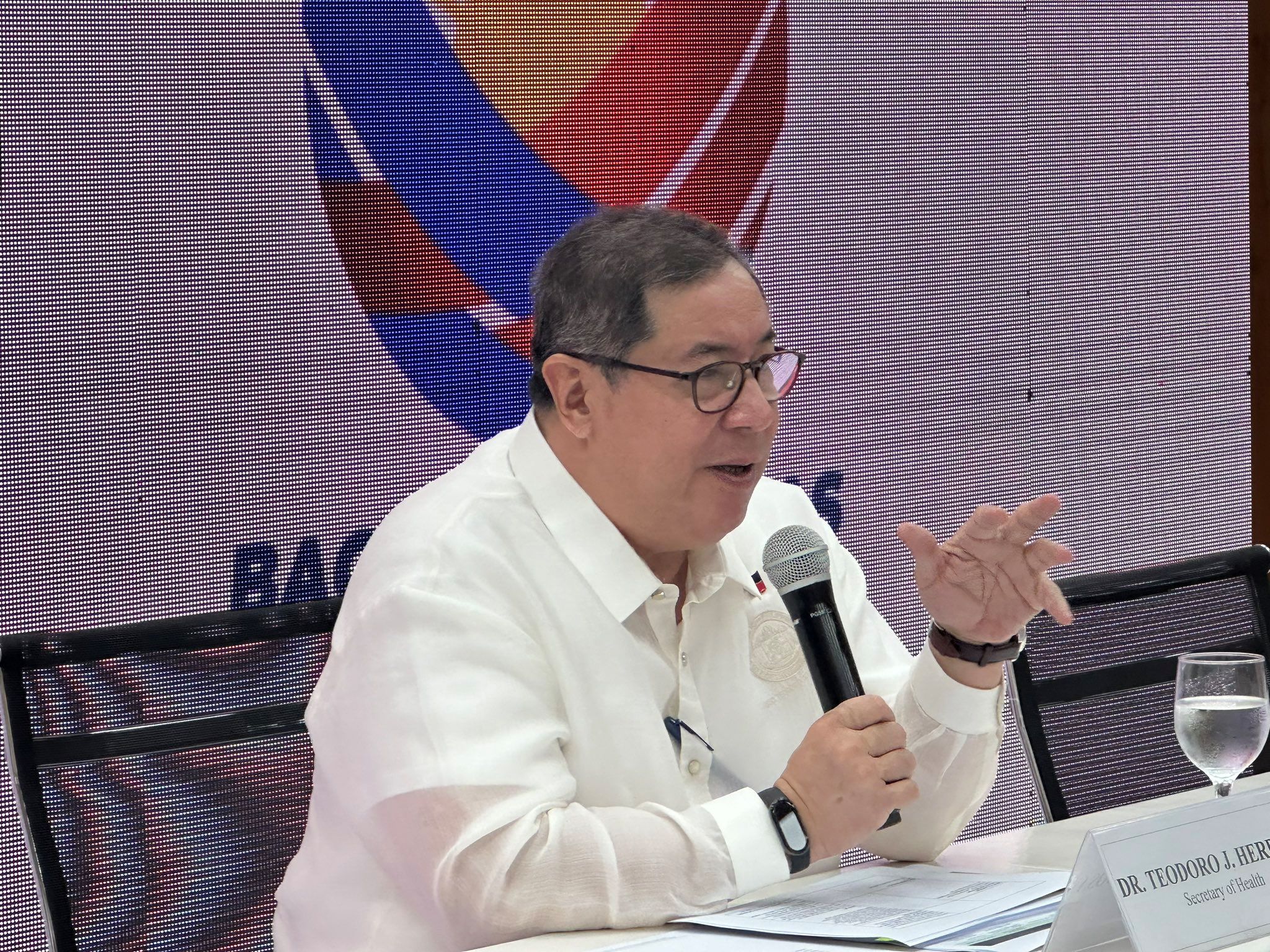
There is a need to revisit and adjust disaster response plans – especially healthcare infrastructure and protocols – for the “Big One” or the catastrophic magnitude 7.2 earthquake that will be triggered by a big movement in the West Valley Fault that runs through Metro Manila and adjacent provinces, the Department of Health (DOH) said on Tuesday.
In a public briefing, DOH Secretary Teodoro Herbosa noted that existing plans for the Big One are now outdated as there have been many changes in the National Capital Region and its hospitals since disaster response plans were crafted years ago.
“Malaki pa [pagbabago na kailangan sa plano]. Marami nang changes in the city, (There is still a big [change in plans needed]. There had been a lot of changes in the city,) in the hospitals themselves. We built it, I remember in 2012 and 2013… Ten years ago, when we did the big one planning, but we have to revisit eh,” said the Health Secretary.
“Noong 2003 pa, nagkaroon na ng study yung JICA about massive injuries, and massive damage, and massive deaths [or] many deaths pagka nagkaroon ng 7.2-Magnitude, Intensity VI [earthquake] sa Metro Manila… 20 years ago na yung study. We’ve been making plans and now ire-readjust ulit yung plans kasi many buildings have popped up, so tinawag ko lahat ng mga big hospitals. Sabi ko, reviewhin natin lahat ng ating plano,” he added.
(Since 2003, JICA has had a study about massive injuries, and massive damage, and massive deaths [or] many deaths should there be a 7.2-Magnitude, Intensity VI [earthquake] in Metro Manila… The study was 20 years ago. We’ve been making plans and now we will re-adjust the plans because many buildings have popped up, so I called all the big hospitals. I said, let’s review all our plans.)
The increasing number of sky-high buildings and condominiums, less open spaces, and bigger hospitals are among the reasons that Herbosa said must be considered in adjusting the disaster response plans.
He said there is a need to review the structural integrity of hospitals, as it should be strong enough to withstand a major earthquake.
Old hospital buildings must be retrofitted, while new building structures must be constructed according to specifications that can withstand a magnitude-7.2 earthquake.
“Kailangan ang hospital, safe even after an earthquake. (Hospitals need to be safe even after an earthquake.) We should be the last building standing,” he said.
Herbosa also called for changes in “soft preparations” for better response in case of disasters.
The DOH Secretary’s statements came amid back-to-back earthquakes that occurred in Luzon, Visayas, and Mindanao.
Earlier, the Philippine Institute of Volcanology and Seismology said the recent earthquakes will not trigger the West Valley Fault, which is projected to be the source of the incoming “Big One” earthquake.
Despite this, the governments of Japan and the Philippines have agreed to revisit their previous study on the impact of the “Big One” within the next two years. — JMA, GMA Integrated News

