

 GMA Brandtalk
 Tracking
 Archives

DOH eyes PPP, conversion of idle super health centers
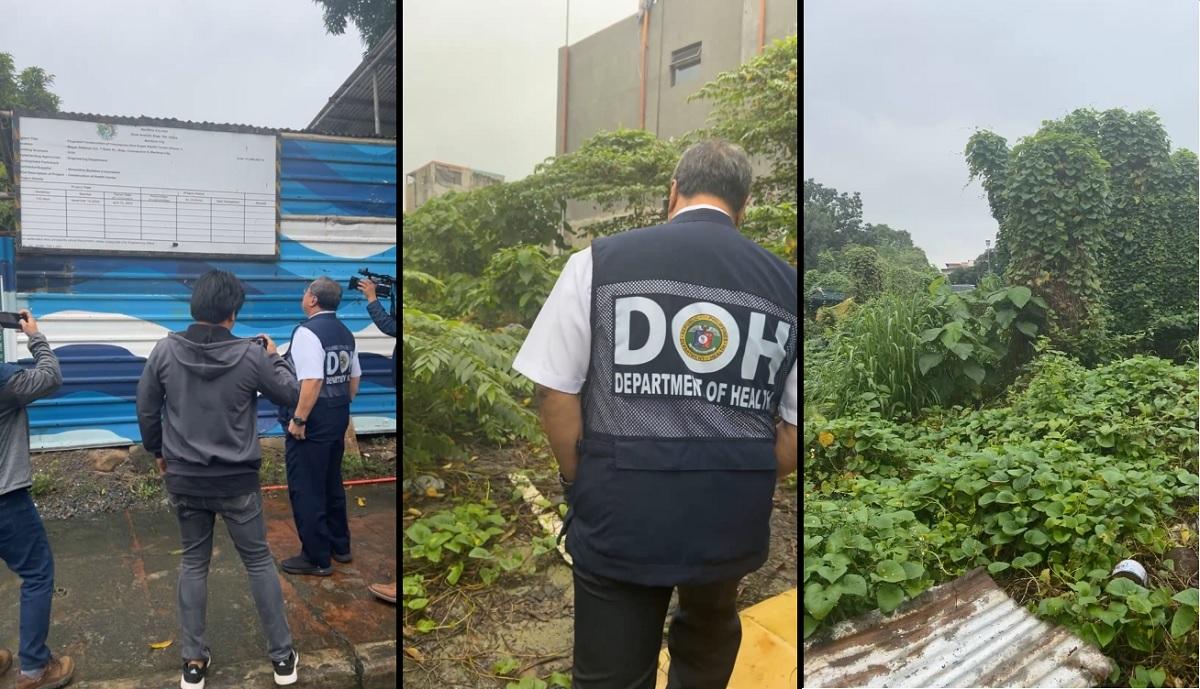
ANTIPOLO City —The nearly 300 super health centers that have remained inoperational or unfinished can be resuscitated through a public-private partnership, or through their conversion into facilities offering ambulatory service, Department of Health (DOH) Secretary Teodoro Herbosa said.
“Unang solution, Tutulungan namin pondohan yung doktor through our National Health Workforce Agreement. Pangalawang solution, turn over niyo sa amin, gagawin kong mini-BUCAS. Pangatlo, public-private partnership,” Herbosa said during an inspection of a newly-opened super health center in Antipolo City on Thursday.
(The first solution is that we will help fund the doctors through our National Health Workforce Agreement. The second solution is that they will turn it over to us, and I will make it a mini-BUCAS. Third is a public-private partnership.)
“May pang-apat, ito yung old mo iwanan mo, pumunta ka dito, gawin mong primary care kasi hindi mo [iiwan], gawin mo for some other purpose,” he added.
(The fourth is to leave their old [facility] and to move here, and make it a primary care facility because if you will not [leave] your old facility then use it for another purpose.)
BUCAS stands for Bagong Urgent Care and Ambulatory Service, which aims to provide free urgent and outpatient care services, especially in underserved areas. These centers aim to bridge the gap between primary care and higher-level hospitals by offering services like minor surgeries, laboratory tests, and consultations, helping to decongest major hospitals.
A super health center is a primary health care facility that offers primary laboratories and radiological services, pharmaceutical services, birthing services, minor surgical services, dental services, ambulance services, and telemedicine.
The center is meant to be a collaboration project between local governments and the DOH.
Herbosa has said that around 500 super health centers have been funded by the government since 2021, when its concept was introduced.
However, the department recently discovered that at least 297 remain incomplete or inoperational.
The DOH is set to face the Independent Commission for Infrastructure (ICI) on Friday to tackle the almost 300 incomplete super health centers.
“For a long time, I have always considered healthcare to be about services… It’s not about infrastructure… We’re not about public works. If you ask me, if you have to weigh, what do we need? The infrastructure that takes long to build or medicines for patients with TB, high blood... I’m a doctor. I prefer free medicines for our citizens,” Herbosa said.—LDF, GMA Integrated News

