

 GMA Brandtalk
 Tracking
 Archives

Marcos extends rice import ban until year-end, says DA
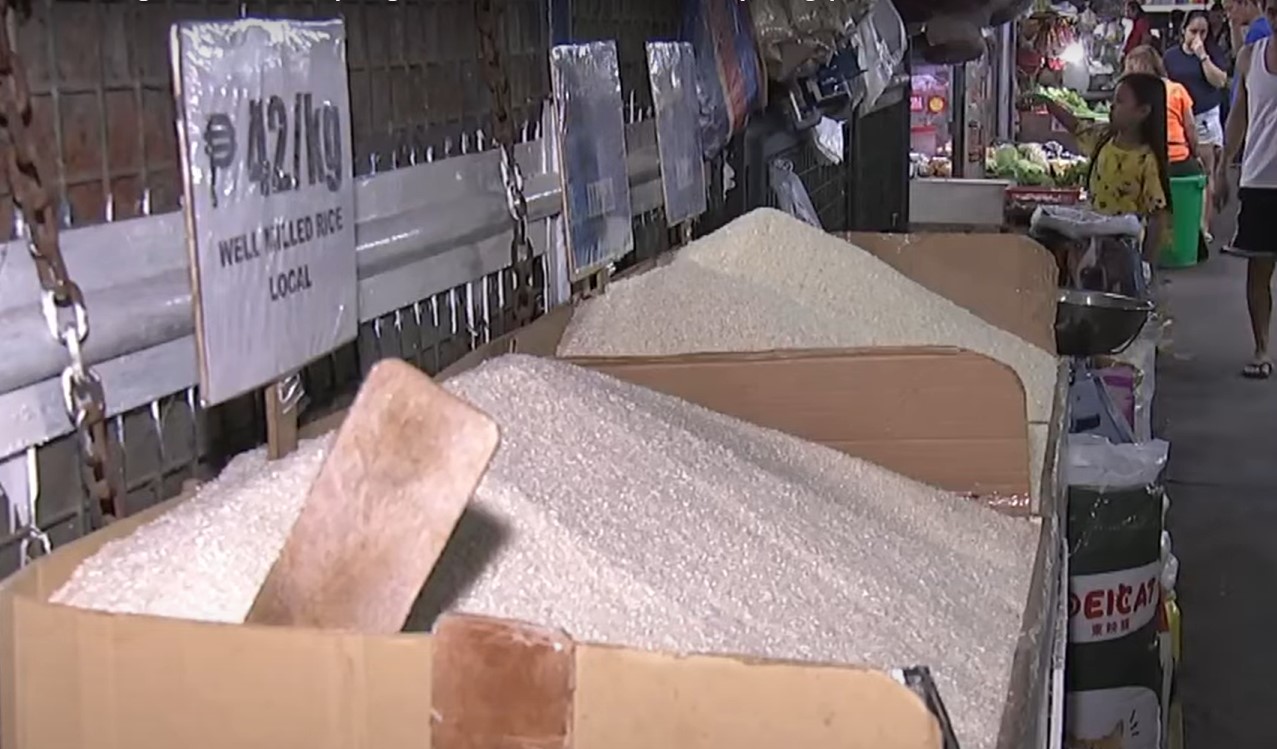
President Ferdinand Marcos Jr. has approved the extension of the rice import ban until the end of the year to help stabilize farmgate prices of palay, the Department of Agriculture said Sunday.
In a statement Agriculture Secretary Francisco P. Tiu Laurel Jr. said the Executive Order formalizing the extension of the import suspension will be released on Monday.
“With the import ban having little impact on retail prices and supply of rice but a significant effect on the farmgate price of palay, President Marcos deemed it necessary to extend the suspension for two more months,” Tiu Laurel said.
The DA said the President initially suspended rice imports for two months, until October 31, “to counter the sharp decline in palay prices ahead of the wet harvest season. While the measure briefly lifted prices, the gains tapered off as the suspension neared its expiry.”
Tiu Laurel said, “With harvests still ongoing in several regions, the extended import ban—together with the rollout of the Sagip Saka program and the establishment of a floor price for palay—should help support struggling rice farmers.”
According to Tiu Laurel, over-importation and poor-quality harvests in some areas, worsened by bad weather, had depressed farmgate prices.
Based on its projections, the DA assured that rice availability is “adequate” even under a 120-day import suspension.
Conservative estimates place supply at 89 days by year-end, while optimistic scenarios project up to 92 days, considering 122.7kg/annum the projected per capita consumption compared with just 58 days’ worth of stocks at the end of 2024.
Tiu Laurel said he recommended the extension to the President as “a necessary measure to provide sustained support to local producers, maintain market stability, and allow a more comprehensive assessment of the policy’s effects.”
The agriculture chief said the extension would “enable a fuller evaluation of the ban’s impact on both farmgate and retail markets, while continuing to shield local farmers from the downward pressure of cheaper imports.” —RF, GMA Integrated News

