

 GMA Brandtalk
 Tracking
 Archives

DICT ensures readiness against DDoS attacks, stresses 'digital bayanihan'
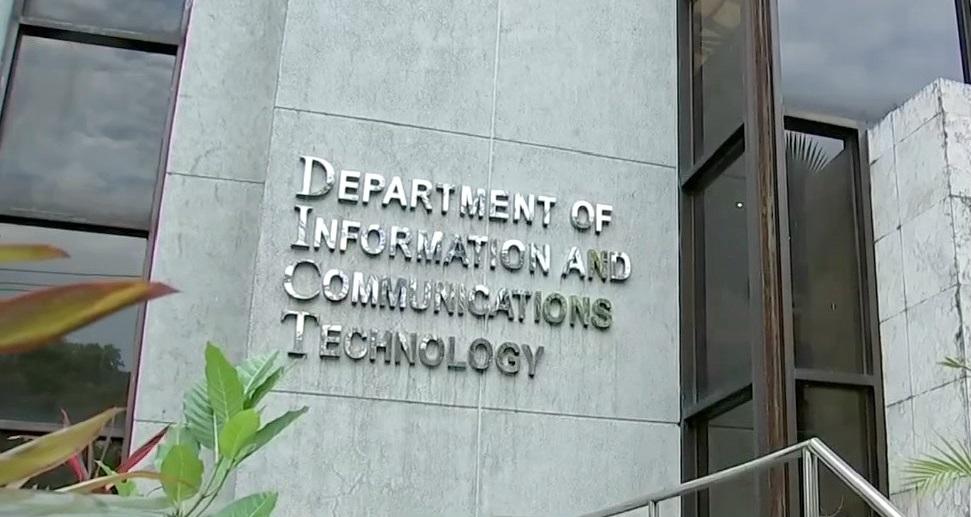
The Department of Information and Communications Technology (DICT) assured the public that the government is prepared to counter distributed denial-of-service (DDoS) attacks.
DICT Secretary Henry Aguda compared DDoS attacks to an internet traffic jam, noting they slow services due to simultaneous requests but do not cause data theft or financial loss.
“A DDoS is not a data breach,” Aguda said at a press conference.
“There’s no data stolen, no accounts compromised, no money lost. It’s like too many cars entering a road all at once, making traffic slow. But our government and critical infrastructure providers are ready with anti-DDoS equipment,” he added.
Aguda said the Oplan Cyberdome, an inter-agency response system led by DICT in coordination with the Cybercrime Investigation and Coordinating Center (CICC), the National Telecommunications Commission (NTC), law enforcement agencies, and the private sector, has been fully activated to monitor and respond to cyber incidents 24/7.
“This is just a precautionary measure. If services slow down, don’t panic—wait for it to pass. So far, everything remains normal,” Aguda said.
He added that although there were attempts to increase traffic to several websites, no successful disruptions or system breaches have been recorded.
“Most of the targets were in the banking sector, but as of now, no bank has reported any operational disruptions,” Aguda confirmed.
When asked about the possible worst-case scenario, Aguda said the only inconvenience would be temporary unavailability of digital services—such as online payments or video streaming—rather than data compromise.
“The worst that could happen is that a digital app or website becomes temporarily unavailable,” he said. “But there’s no risk of stolen data. Thanks to early advisories, many people advanced their payroll and digital transactions, so there’s no expected economic impact.”
He added that even if attacks persist until late evening, the impact would be minimal, affecting mainly users streaming on platforms like Netflix or YouTube.
Aguda also revealed the DICT’s long-term initiative to promote a culture of “digital bayanihan”, encouraging collaboration between the government, private sector, and citizens in cybersecurity. Among the measures being developed is a “bug bounty” program, where ethical hackers can help identify system vulnerabilities.
“We want to protect ethical hackers who help us,” Aguda said. “DICT will put in place safe harbor guidelines so they won’t be arrested for assisting the government in strengthening cybersecurity.”
Meanwhile, in areas affected by Typhoon Tino, the DICT is coordinating with major telecommunications providers—DITO, Globe, and Smart—to expedite signal and service restoration. Aguda said restoration efforts are expected to be faster than in past calamities.
The DICT chief assured that there are no detected online threats related to the upcoming large rallies in the country. He said the department continues to coordinate with groups such as Anonymous Philippines, which has publicly opposed any form of violence or cyberattacks.
“We remain vigilant, but so far, there are no credible online threats,” Aguda said. “Our focus is to maintain calm, ensure readiness, and strengthen cooperation among all sectors.” –NB, GMA Integrated News

