

 GMA Brandtalk
 Tracking
 Archives

DSWD: State of national calamity to expedite disaster aid efforts
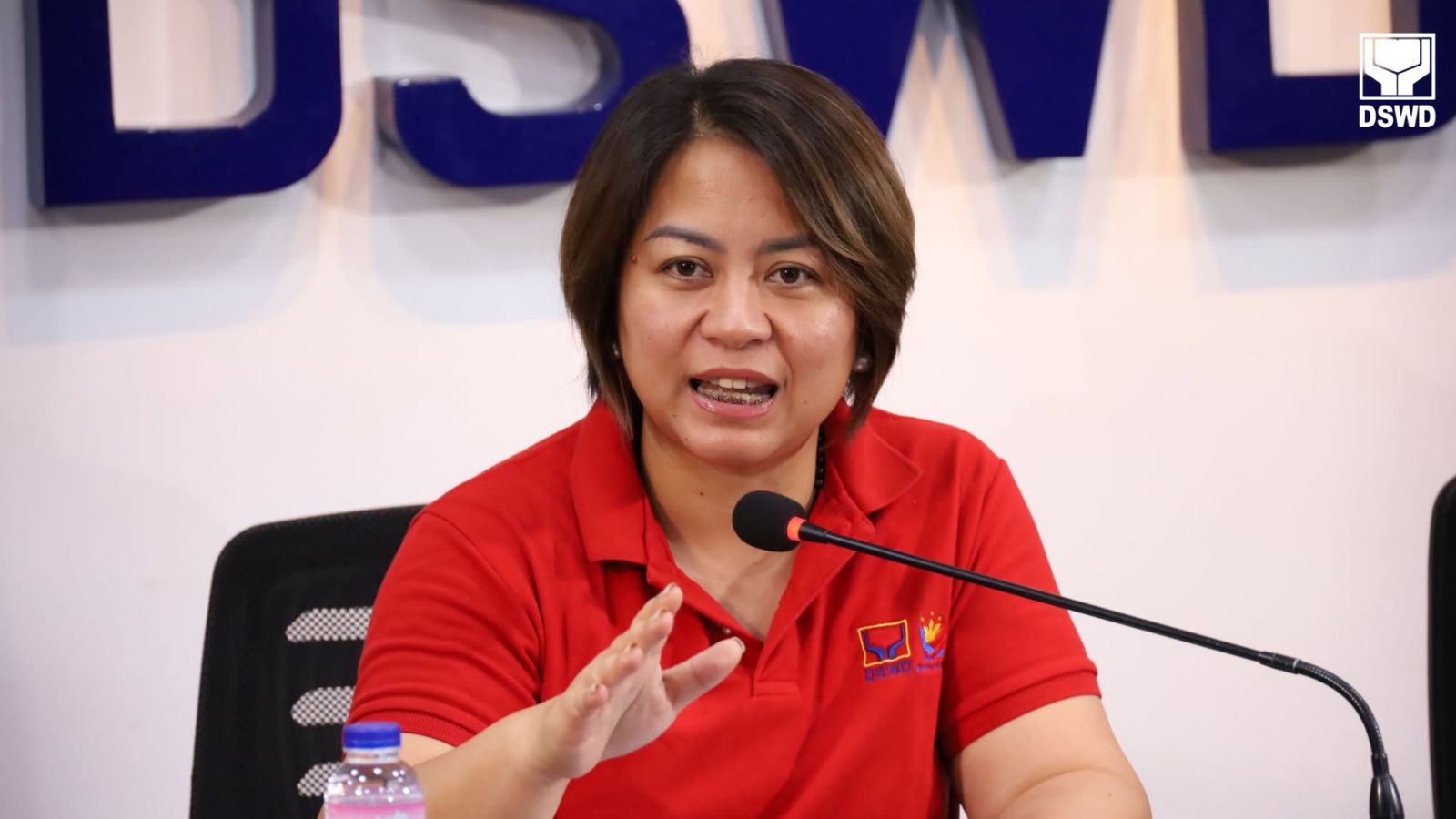
The Department of Social Welfare and Development (DSWD) on Thursday welcomed President Ferdinand Marcos Jr.’s approval of a recommendation to declare a state of national calamity amid the widespread destruction from Typhoon Tino and in preparation for the possible damage from an incoming, potential super typhoon.
In a press briefing, DSWD Spokesperson and Assistant Secretary Irene Dumlao said the imposition of a state of national calamity will enable the DSWD to mobilize funds and resources faster for humanitarian and relief response.
“Malaking tulong nito sa DSWD para maging mabilis ang paghahatid natin ng tulong sa mga lugar na naapektuhan, especially that all assets and resources of the national government will be mobilized,” Dumlao said.
(This is a huge help to the DSWD so that we can bring help faster to affected areas, especially that all assets and resources of the national government will be mobilized.)
“Ibig lang po sabihin niyan, magtutulong-tulong ang bawat ahensiya ng pamahalaan para matiyak na makarating yun pong kinakailangan tulong dun sa mga lugar naapektuhan ng bagyong Tino at doon po sa posible pang maapektuhan ng bagyong Uwan,” she added.
(This means government agencies will be helping one another to ensure that the much-needed help will reach the areas affected by Typhoon Tino and the areas which may be affected by Tropical Storm Uwan.)
In particular, Dumlao said the declaration of a national calamity would ensure the fast release of the DSWD’s Quick Response Fund (QRF) by the Department of Budget and Management (DBM).
“Isa pa diyan yung karagdagang pondo para sa DSWD. Alam niyo po mabilis naman po yung aksyon ang ginagawa ng DBM in terms of replenishing our Quick Response Funds. In fact, umabot na nga po tayo sa ninth QRF replenishment and we are now in the process of submitting our request for the tenth QRF replenishment,” said Dumlao of the DSWD’s Disaster Response Management Group (DMRG).
(That is an additional fund for the DSWD. The DBM acts fast in terms of replenishing our Quick Response Funds. In fact, we are already on our ninth QRF replenishment and we are now in the process of submitting our request for the tenth QRF replenishment.)
Following a situation briefing at the National Disaster Risk Reduction and Management Council on Thursday morning, Marcos said he has approved the NDRRMC’s recommendation to impose a state of national calamity after the devastation in the Visayas and Mindanao from Typhoon Tino.
The President said the government will balance the number of personnel and resources to be deployed in advance to areas that might be hit by the incoming tropical storm (international name: Fung Wong), which will be named “Uwan” once it enters the Philippine Area of Responsibility this weekend.
A state of national calamity is formalized through a proclamation. It allow government agencies quicker access to emergency and disaster funds that can be tapped for relief, recovery, rehabilitation, and faster procurement for related goods and services.
Earlier this week, the state weather bureau said the incoming weather disturbance may develop into a super typhoon. “Uwan” may potentially hit Northern or Central Luzon.
Dumlao said the DSWD is already monitoring and preparing for the potential impact of the incoming tropical storm even as it continues its relief operations for families affected by Tino.
On Thursday, Dumlao assured that the DSWD’s resources are sufficient for the series of typhoons and earthquakes that hit parts of the country to sustain its disaster response operations.
Aside from requesting a replenishment of its QRF, Dumlao said the government agency has sufficient stockpiles of food and non-food items that have been pre-positioned across the country.
“Kakayanin ng DSWD… Kami po ang nauuna sa lugar kapag may mga bagyo, dahil naka-preposition na po kami ng food at non-food items. At kami po ang huling aalis doon sa mga lugar na na-devastate ng mga bagyo at disasters, sapagkat we wanted to make sure that we support the recovery or yung pagbangon ng disaster-affected families,” she added.
(The DSWD can sustain it… We are first to arrive in the area after a typhoon because we have already pre-positioned food and non-food items. And we are last to leave the devastated areas in times of typhoons and disasters, because we wanted to make sure that we support the recovery of the disaster-affected families.) — JMA, GMA Integrated News

