

 GMA Brandtalk
 Tracking
 Archives

61% of Mega Manila believe gov't can run without corruption — SWS
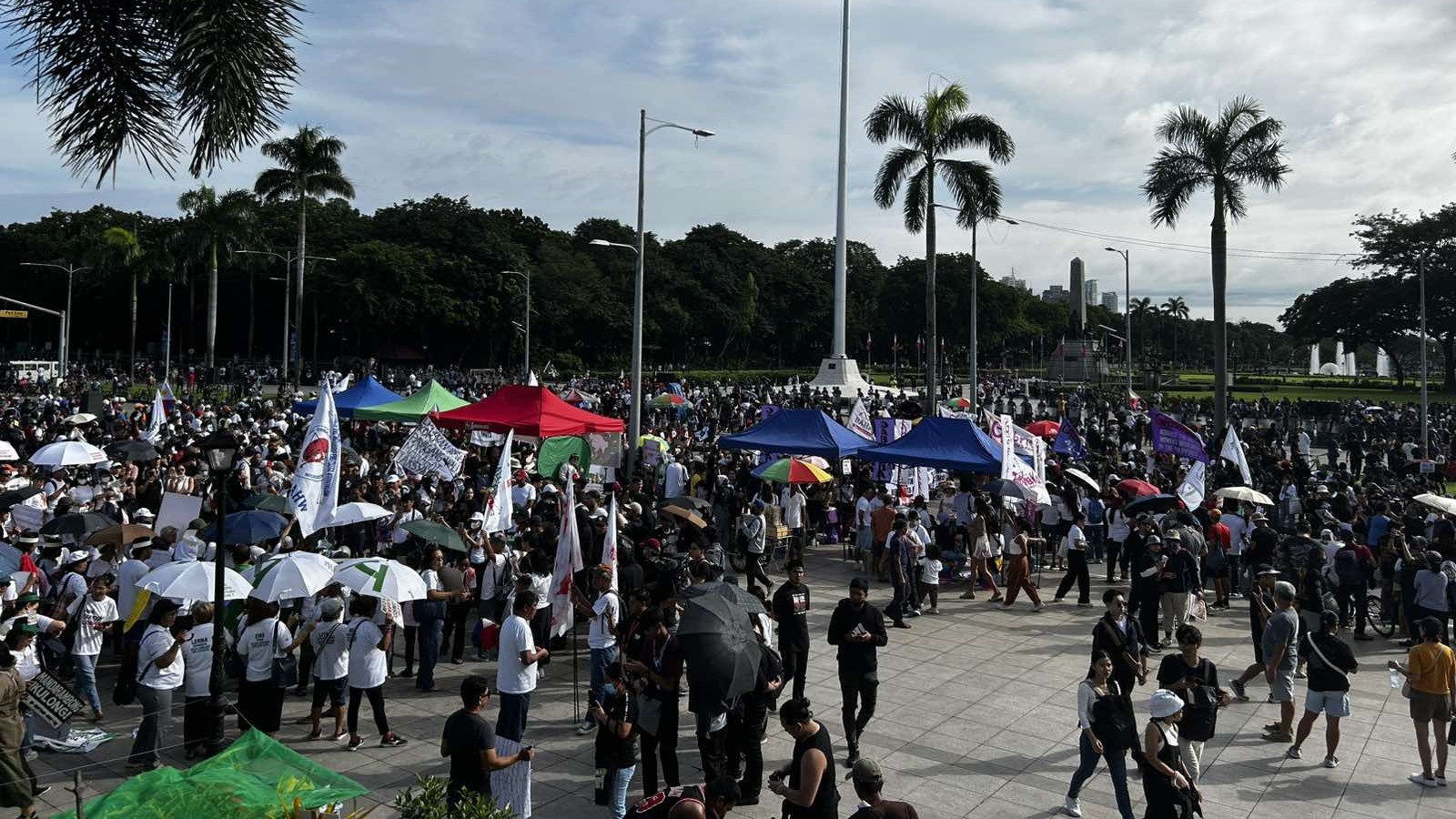
Most Filipinos residing in Mega Manila believe the government can be run without corruption, according to new data from the Social Weather Stations (SWS) that track public views on corruption over the past 25 years.
Results of the October 19–22, 2025 Mega Manila Survey show that 61% of respondents believe the government can operate without corruption, while 38% say corruption is “part of the way the government works.”
The findings were presented Thursday during the “Kapihan sa SWS: Kalakaran? The SWS Surveys on Corruption” forum in Quezon City.
The SWS Time Series (2000–2025) showed that the share of Filipinos who believe the government can be run without corruption has remained the majority position:
- 61% — October 2025
- 64% — May 2018
- 67% — May 2016
- 62% — November 2013
- 60% — November 2012
- 65–68% — in several rounds from 2000–2004
Meanwhile, the SWS said respondents who feel corruption is “part of the way government works” have fluctuated over the years but remain below the levels seen under previous administrations:
- 38% — October 2025
- 36% — May 2018
- 33% — May 2016
- 46% — October 2013
- 41% — May 2012
- 31–35% — 2000 to 2004
The highest levels of resignation to corruption — 50% to 56% were recorded in several enterprise surveys from 2007 to 2009.
Pinoys blame public officials more than businessmen over corruption
The SWS also reported long-term findings on who the public holds responsible when corruption involves both a businessman and a government official. In October 2025, respondents said:
- 62% — Both are equally to blame
- 19% — The official only
- 11% — Mostly the official
- 6% — Mostly the businessman
- 2% — The businessman only
The pattern has remained stable since 1998, with the public consistently viewing government officials as bearing greater responsibility when it comes to corruption, according to SWS.
Most Filipinos: Existing anti-corruption laws inadequate
When the participants were asked whether “the present laws to fight corruption are already adequate,” the October 2025 survey found:
- 56% — Disagree
- 19% — Undecided
- 25% — Agree
The same poll also revealed the rising feelings of powerlessness among Filipinos.
On the statement, “A person like me cannot do anything to reduce corruption in the government,” respondents in the October 2025 results answered:
- 44% — Agree
- 15% — Undecided
- 41% — Disagree
On the issue of freedom of expression, the respondents said:
- 51% — Agree they can speak openly even against the administration
- 22% — Are undecided
- 28% — Disagree
Further, the survey also assessed agreement with several corruption-related statements based on respondents’ experiences in the past three months:
- 67% — Disagree that bribery or personal connections are necessary to get things done
- 54% — Disagree that fixers are needed
- 53% — Disagree that bribing officials makes it easy to prosper
- 32% — Agree that politicians expect financial rewards for proposing projects
- 49% — Agree that e-governance helps reduce corruption
The October 2025 Mega Manila survey interviewed 600 adults, with assigned samples in NCR, Bulacan, Cavite, Laguna, and Rizal.
The sampling margin of error is ±4% for Mega Manila. Historical data (2000–2018) came from the SWS Survey of Enterprises on Corruption, while earlier rounds were based on national surveys of adults. — RF, GMA Integrated News
