

 GMA Brandtalk
 Tracking
 Archives

UN official calls for whole-of-society effort to end violence vs children
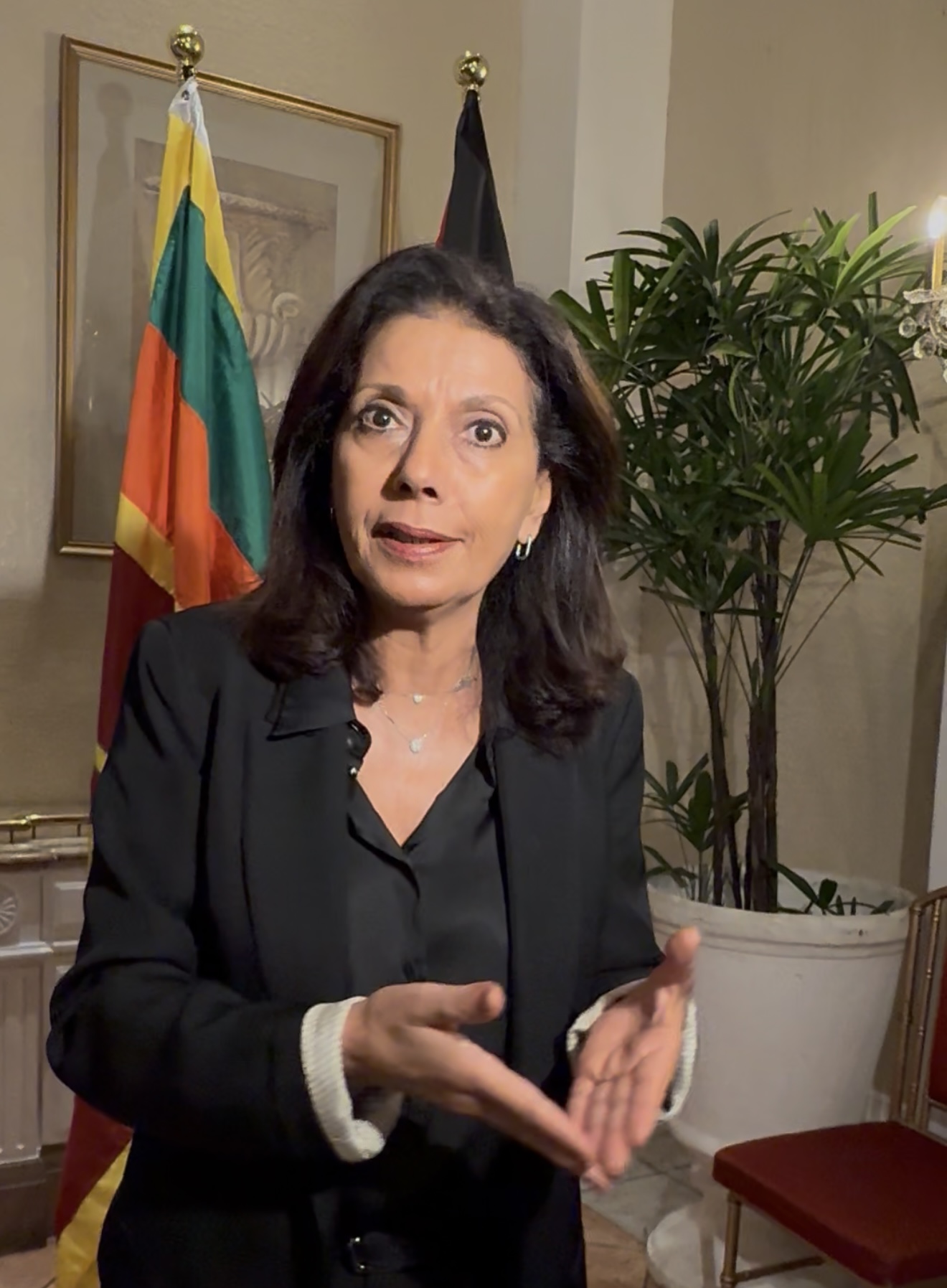
Incidents of violence against children continue to rise and have reached an “unprecedented level” despite efforts to prevent and end it all over the globe, a United Nations official warned – but stressed that a whole-of-society approach is crucial in keeping the world’s children safe.
In an exclusive interview with GMA Integrated News, Dr. Najat Maalla M’jid, the UN Special Representative on Violence Against Children, lamented that some children who experience violence are silenced or shamed for various reasons – and that actual figures could be higher.
“It has reached an unprecedented level,” M’jid said. “Despite all the many actions undertaken by various stakeholders to prevent and end violence against children, it’s increasing. You have increasing number of children victims, of violence against children online, at home, in school setting.”
The United Nations Children’s Fund defined violence against children as any “deliberate, unwanted, and non-essential act threatened or actual, against a child or against multiple children that results in or has a high likelihood of resulting in death, injury, or other forms of physical or psychological suffering.”
Around one billion children – or about 12 percent of the world’s total population – are estimated to be suffering from some form of violence every year.
Although the world’s nations pledged to put to an end to violence against children, much more still needs to be done.
In the Philippines, data from the Child Protection Network showed that 11,587 cases of violence against children were reported through Child Protection Units from January 1 to October 31 this year.
However, M’jid said this might just be the tip of the iceberg as a number of victims opt to keep silent for many reasons.
“Many children who are victims of violence, various forms of violence cannot report because of stigma, because of fear, because of shame, because of taboo or because the systems are not working,” she said.
Although poverty is one the main drivers of the rising cases against violence against children, another threat that is pushing these numbers up is the increasing proliferation of child sexual abuse and exploitation materials online.
This year, the Philippines hosted the Regional Meeting of the Pathfinding Global Alliance on Ending Violence Against Children, which coincided with the observance of the National Children’s Month in November.
This meeting allows members to draft concrete plans on how to put an end to violence against children.
“We know what to do, we know how to do it. So we need to mobilize all of us, really start thinking about how we can translate all of these policies, all of these papers in concrete services that reach all children and their caregivers,” M’jid said.
“The main point is to share how they achieve and also to learn from each other but at the same time to discuss common challenges and how they overcome it,” she added.
In the Philippines for example, M’jid said child development centers could be utilized not only for physical nourishment but provide protection for children as well.
“It is not creating additional layer, it’s how you can use all the entry point, it could be your child protection center. It could be another center you know regarding cultural, if you are not putting inside the dimension of protection, recognition of the sign, early detection and referral mechanism,” M’jid said.
She added: “It’s important and it avoids a repetition, because the big issue is not making, you know, children and their families running after services. It must not be bureaucratic. We have to make sure that the services are easily accessible to children,” she said.
The UN official also underscored the importance of empowering parents and the community to support children every step of the way – starting from the family as the basic unit of society, to schools and the community where children should be able to thrive in peace.
“What’s important also, is how we are supporting these families – not only by cash transfer, but also by economic empowerment. This is very important and at the same time, empowering, informing, strengthening the skills of parents regarding how to protect children, how to promote positive discipline,” M’jid said.
She added that ultimately, a whole-of-society approach is crucial in ending violence against children, adding that the responsibility should not be in the hands of a few government agencies but a collective effort.
“If they are not on board, if we are not helping them, not only through papers but to translate all these laws – because you have a huge number of laws, huge number of policies, to translate them into concrete services,” she said.
M’jid added: “It is important how we can convince all the policymakers at the national level that child protection and well-being must be seen as an investment and key in the national development plan.” — JMA, GMA Integrated News

