

 GMA Brandtalk
 Tracking
 Archives

Group seeks review of Biofuels Act changes
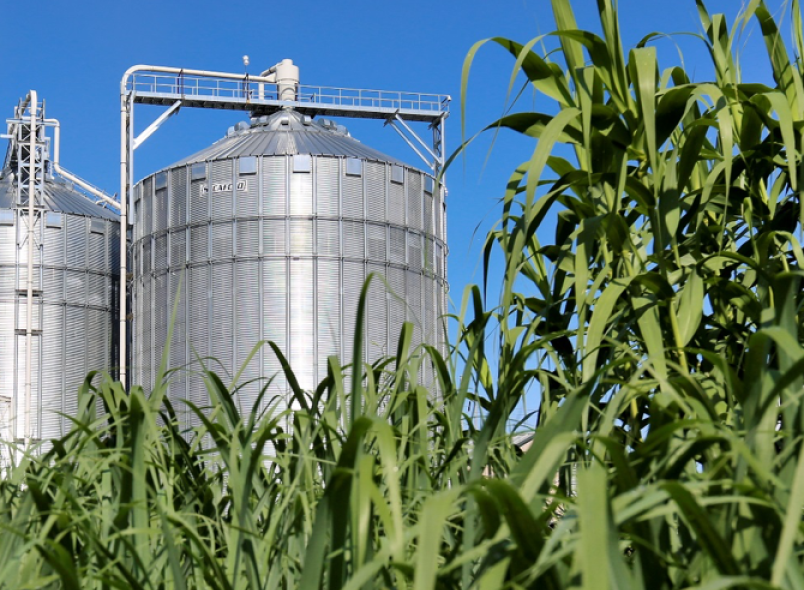
A biodiesel group on Monday said proposed changes to Republic Act No. 9367, or the Biofuels Act of 2006, should be evaluated properly and “with a complete understanding of its wider implications.”
In a statement, the Philippine Biodiesel Association (TPBA) said it aims to “help ensure that the proposed suspension mechanism is evaluated with a complete understanding of its wider implications.”
“As deliberations on House Bill 4151 (‘Murang Langis Act’) continue, the Philippine Biodiesel Association acknowledges the bill’s consumer-protection intent and seeks to enrich the discussion by outlining the broader effects on motorists, farmers, and public health,” the group said.
HB 4151 seeks to grant the President authority to suspend the mandated coco-biodiesel blend whenever blended diesel becomes at least 5% more expensive than pure diesel.
The group clarified, however, that blended diesel is not always more expensive; “in several periods—particularly during global oil volatility—coco-biodiesel has in fact been at parity or cheaper than pure diesel.”
It noted that under current conditions, “the B3 blend adds only ?0.71 per liter over B2, or less than 2%, while a future B5 may add roughly another 3%—yet delivers 6–10% improved fuel efficiency."
The group cited as references the studies conducted by the Department of Energy (DOE) and the University of the Philippines–National Center for Transportation Studies (UP-NCTS).
TPBA also expressed support for the DOE and commended Energy Secretary Sharon Garin for championing policies that balance consumer protection, farmer welfare, environmental responsibility, and national energy security.
“The DOE has done an excellent job ensuring energy security and balancing stakeholder needs. Our contribution to the discussion is simply to highlight additional considerations to help ensure that all angles are fully evaluated," TPBA executive director Ramon Taniola said.
He said this approach supports the spirit of HB 4151 and the broader goals of government.
"Biodiesel continues to give Filipinos more value per peso, and we hope to preserve that momentum,” Taniola added.
The group further lauded the DOE for its commitment to cleaner air.
“Coco-biodiesel reduces soot emissions by up to 95%, contributing to the avoidance of P1.86–2.2 trillion in annual health costs. These gains directly benefit urban communities, children, seniors, and daily commuters,” it said.—MCG, GMA Integrated News

