

 GMA Brandtalk
 Tracking
 Archives

DOST to ASEAN states: Collective resilience amid climate change needed
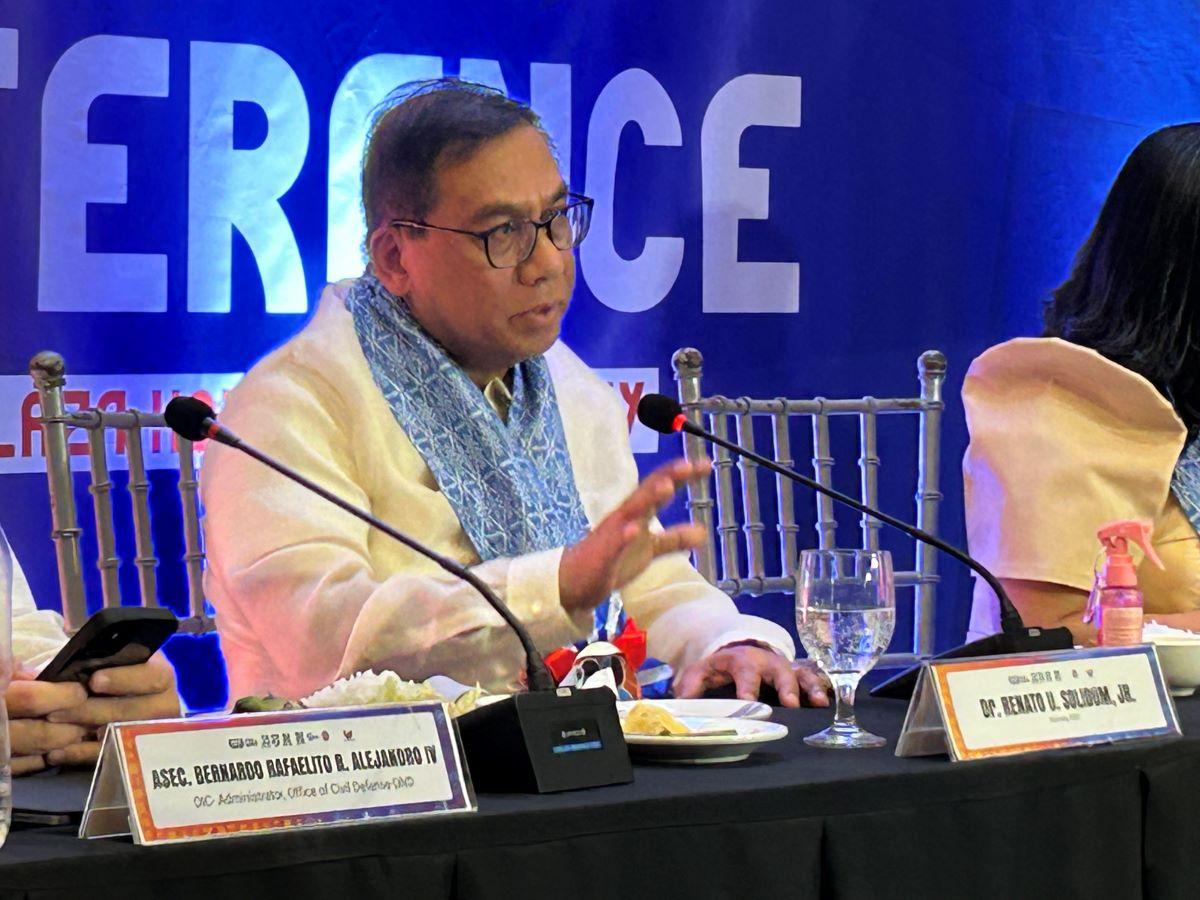
The Department of Science and Technology (DOST) on Thursday urged member-states of the Association of Southeast Asian Nations (ASEAN) to collaborate on addressing climate change towards achieving “collective resilience” and enabling the regional bloc to economically thrive.
In a speech in Muntinlupa City, DOST Secretary Renato Solidum Jr. underscored the need to confront climate change even with complexities and complications in implementation.
“Implementation challenges may persist, but so too does ASEAN’s shared resolve. By acknowledging these realities, learning from each other, and advancing practical measures we discuss at the 2025 Intervention Session, we can transform complexity into collective resilience – and ensure that no ASEAN community is left behind,” Solidum said.
He acknowledged that there will always be “cross-cutting implementation challenges that arise from the very nature of the disaster and climate risks confronting us.”
“These risks are interconnected, evolving, and deeply embedded in the social, economic, and environmental systems of our region. They reflect the complexity of building resilience in a world where hazards, vulnerabilities, and capacities are constantly shifting. Complexity is the law of nature. Complication is the nature of governance,” Solidum added.
He then urged ASEAN member-states to consider science, technology and innovation as the forefront of disaster and climate resilience.
He pushed for further research and collaboration efforts, the establishment of more Centers of Excellence, increased meetings and training, and a community-based disaster risk management system.
A rules-based, cooperative, and people-centered approach may be utilized in creating regional agreements, institutions, financing tools, and multi-sector plans under the ASEAN framework, Solidum said.
The Philippines is the chair of the ASEAN next year and will host its summits and meetings in Manila and various other venues.
Solidum stressed that although natural hazards and climate change are existential threats, “they do not have to turn into disasters.”
“Disasters are preventable, and through science, technology, innovation, and sound governance, we can reduce risks and protect lives and livelihoods. We have to change the narrative of resilience from merely surviving to economically thriving,” the DOST Secretary added. — JMA, GMA Integrated News

