

 GMA Brandtalk
 Tracking
 Archives

131 schools with literacy gaps to get P 1-M literacy grants
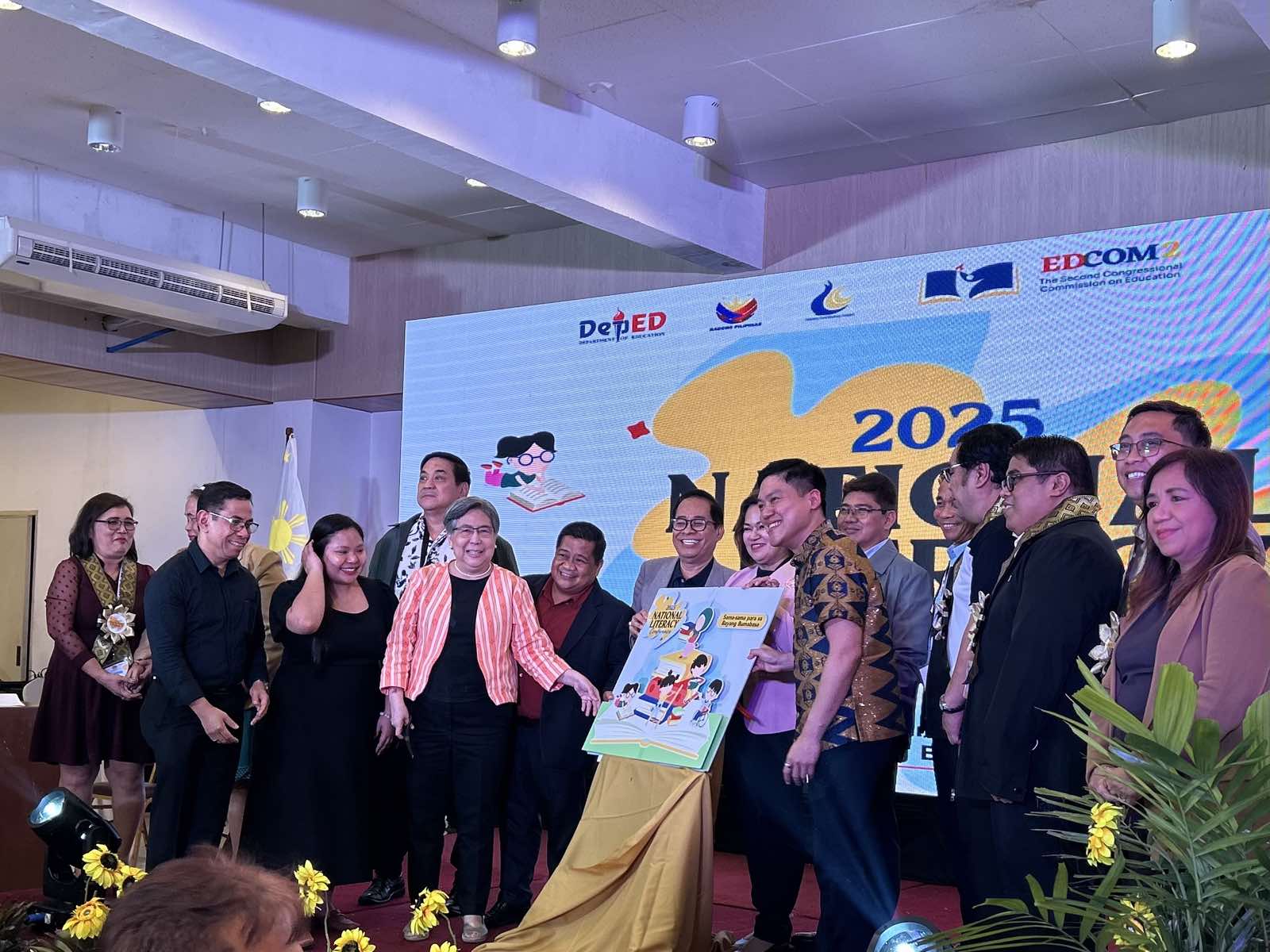
A total of 131 schools that posted negative results in the SY 2024–2025 Comprehensive Rapid Literacy Assessment (CRLA) will receive intensive support of up to P1 million in literacy grants under the Bayang Bumabasa Initiative (BBI), a national literacy recovery program.
The BBI was unveiled on Tuesday during the 2025 National Literacy Conference in Quezon City.
Under this national literacy program, each of the 131 schools may apply for up to P1 million in literacy grants.
The funds must be tied to solutions backed by CRLA findings, such as hiring reading tutors, procuring age-appropriate storybooks, training teachers, or expanding reading remediation classes.
The Second Congressional Commission on Education (EDCOM 2) said these schools represent the areas with the most severe literacy challenges, with the largest clusters coming from Regions 12, 9, and 8.
These include schools in Samar, Tacloban City, Zamboanga Peninsula, and Soccsksargen, which recorded the steepest declines in foundational reading.
EDCOM 2 Executive Director Karol Mark Yee noted that schools vary widely in size and context, which means interventions must be tailored. Many of the identified schools are small, isolated, or resource-constrained, making the grants a substantial boost.
University partners to support teachers, volunteer tutors
Each school will be paired with a teacher education institution (TEI) such as the University of the Philippines (UP), Mindanao State University-Iligan Institute of Technology (MSU-IIT), and other Centers of Excellence.
These universities will train teachers, help develop reading materials, and may deploy faculty and students as volunteer tutors.
This partnership model addresses one of the key literacy barriers previously identified by EDCOM 2: limited teacher training and inadequate access to high-quality instructional resources.
To strengthen the capacity of local government units (LGUs), the Synergeia Foundation will conduct workshops for mayors of the 131 schools.
The sessions will guide local executives on how to mobilize community resources, engage parents, and sustain literacy initiatives beyond school hours.
The BBI support package, which combines grants, LGU engagement, university partnerships, and community mobilization, is designed as a “full package” intervention, ensuring schools do not work in isolation.
Expanded reading assessments
Meanwhile, EDCOM 2 also lauded the Department of Education (DepEd) for expanding reading assessments to all grade levels, including junior and senior high school.
This marked the first time the country has implemented a nationwide, full-range reading diagnostic through the Philippine Informal Reading Inventory (Phil-IRI).
Yee said the expansion is a major step toward addressing long-ignored literacy gaps among older learners, including reports of Grade 10 students completing basic education without functional reading skills.
“Yes, I think yun naman yung direction ni Secretary Sonny, nakita natin sa DepEd. For the first time, they implemented Philippine Informal Reading Inventory (Phil-IRI) — ito yung assessment natin for reading ng lahat ng bata all the way to high school.”
(Yes, that is the direction of Secretary Sonny, as we have seen in DepEd. For the first time, they implemented Philippine Informal Reading Inventory (Phil-IRI) — our reading assessment for all learners, all the way to high school.)
“Basta struggling reader ka, based on assessments, talagang may tutoring sessions that is already also paid for by government at may karampatang resources para lahat ng batang nahihirapan magbasa anumang edad, anumang baitang natutulungan,” he said.
(As long as you are identified as a struggling reader based on assessments, you will have tutoring sessions paid for by the government, with sufficient resources so that any child who struggles to read — at any age or grade — can be supported.)
The 2025 National Literacy Conference has the theme, “Back to Basics: Strengthening the Foundations of Literacy through Local Action and Community Partnerships.”
It gathered school heads, mayors, universities, and education policymakers to confront the country’s deepening literacy crisis by amplifying local solutions and community-driven interventions.
Yee said the conference aimed to expose school heads and LGUs to successful literacy models, particularly from Valenzuela City, Bacnotan (La Union), and Norzagaray (Bulacan) where community-based strategies significantly raised reading levels in recent years.
He added that literacy cannot be improved by schools alone and requires active mobilization from barangays, parent groups, and local offices responsible for child welfare and community learning. — JMA, GMA Integrated News

