

 GMA Brandtalk
 Tracking
 Archives

Groups push for amendments in PH HIV and AIDS Policy Act
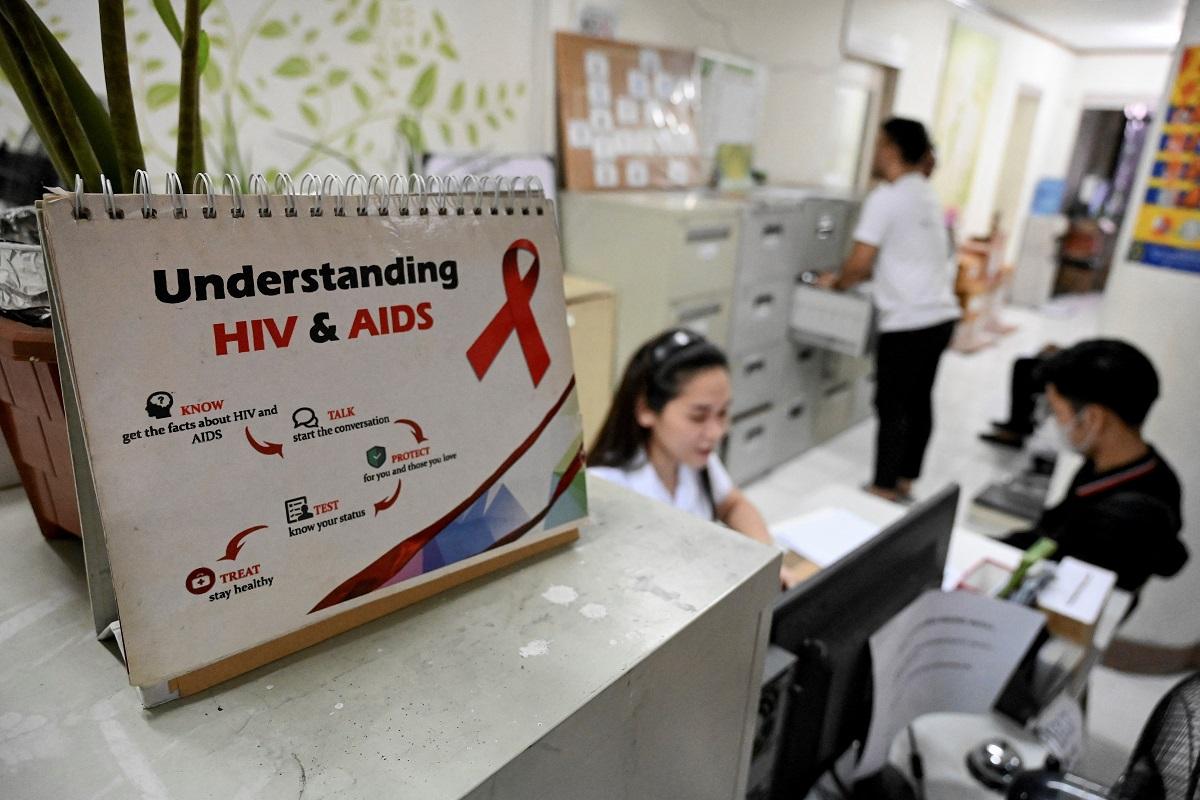
Community and civil society groups on Tuesday called for amendments to Republic Act 11166, or the Philippine HIV and AIDS Policy Act.
During the Senate Committee on Health and Demography hearing on Tuesday, chairperson Risa Hontiveros emphasized the importance of a more humane and inclusive health system for HIV treatment.
“What we need is strong policy action, full implementation of RA 11166 and strategic legislation for a resilient, inclusive, and evidence-based response. Progress is real, but service gaps, inequality, and stigma keep young people, women, and other key populations at risk,” Hontiveros said.
Philippine National AIDS Council (PNAC) Chief Health Program Officer Dr. Delia Becina had noted that RA11166 already made significant strides in allowing adolescents below 18 to take HIV tests without parental consent.
RA11166 Section 29 specifically allowed minors aged 15 to 18 to consent to voluntary HIV testing and counseling without consent of a guardian as long as it is conducted with the supervision of a licensed social worker or health worker.
However, there is no provision regarding their access to treatment and other services past testing, or any further actions should they test positive.
“This creates a serious gap. A young person can learn that they are HIV positive yet may be unable to start lifesaving treatment without parental involvement… Qualifying this in legislation or implementing guidelines would ensure continuity of care, prevent harmful delays in treatment, and align our HIV response with child rights principles and clinical best practice,” explained Hontiveros.
“A young person capable of consenting to HIV tests is often equally capable of understanding the need for treatment. Our policies should protect their health by allowing timely and supervised access to care,” she said.
Social-contracting mechanism
Action for Health Initiatives, Inc. (ACHIEVE) Executive Director Mara Quesada-Bondad backed Hotiveros' push.
“Because the current HIV demographic in the country has seen the rising number of cases among young people, we [must] make sure the children and young people have full access to whatever services that are available for HIV prevention, testing, treatment, and care,” she said.
Quesada-Bondad added that community-based groups must also be equipped to make sure even the most marginalized Filipino groups had access to HIV treatment and that it was on the part of the government to ensure mechanisms are in place to ensure continued support and care for the community.
ACHIEVE recommended a community-led monitoring system for documentation and better decision-making.
“We call on government to step up and support community-led interventions through social-contracting mechanisms and other forms that allow for sharing of resources that can sustain the efforts that are led by communities and civil societies to make sure that we do not lose access of marginalized communities that are able to come forward only with support from their peers,” she said.
Expanded coverage
Meanwhile, the Joint United Nations Programme on HIV/AIDS (UNAIDS) Philippines Country Director Dr. Louie Ocampo pointed out that only 6% of the Philippine HIV budget had been allocated for prevention.
UNAIDS also called for social contracting and treatment access for minors as an amendment to RA 11166, complemented with youth-specific messaging and programs.
They also pushed for wider PhilHealth coverages for HIV prevention and testing.
“With this, prevention services could be delivered by not only our social hygiene clinics and treatment hubs but also by non-traditional HIV facilities in the health system like barangay health centers, private primary care clinics, private hospitals, and schools and workplaces,” Ocampo said.
“Mechanisms exist; we just need to extend the package,” she added.
PhilHealth responded by saying that they are already looking into this.
“We are aware that the current package only covers treatment. We are in the process of evaluating it, and we foresee that by next year, first semester, we will be coming out with an expanded package covering the screening, the diagnostics, the treatment, and even the preventive package,” said PhilHealth Medical Officer VII Dr. Lala Sabido.
“Based on the number of cases [reported] by DOH, what we are seeing is only 55% of these PLHIV have submitted claims from PhilHealth. We are working with them to expand the package and hopefully by next year, all cascades of care will be covered by PhilHealth,” she added.
New cases
Earlier, the DOH reported that there were 5,000 new HIV cases recorded just between the months of July and September 2025.
Health secretary Teodoro Herbosa had said that the Philippines was dealing with an HIV outbreak.
“Thirty percent of the new cases are below the age of 18. They are young. So ’yan, diyan ako naaalarma kasi for life na ’yung treatment (That is why I am alarmed, because the treatment is for life)," he said. —VAL, GMA Integrated News

