

 GMA Brandtalk
 Tracking
 Archives

DOH calls for more investments, collaborations to end TB by 2030
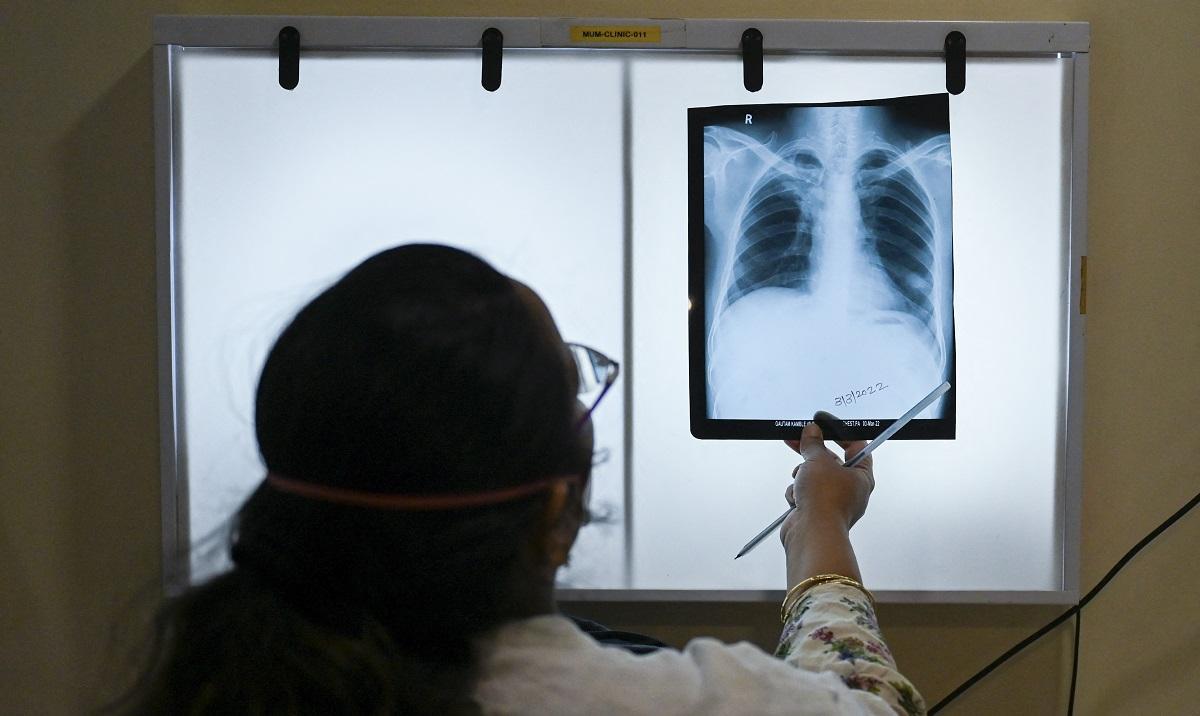
The Department of Health (DOH) on Tuesday urged for more investments and collaborations to strengthen the government’s tuberculosis screening and treatment initiatives and end the disease by 2030.
An official of the DOH made the appeal during the hearing of the Senate committee on health and demography on Tuesday.
Senator Risa Hontiveros, the Senate panel’s chair, expressed concern over figures showing that 6.8% of tuberculosis cases were from the Philippines.
The country is among the top five high-burden countries for tuberculosis, almost a decade after the enactment of Republic Act 10767 or the Comprehensive Tuberculosis Elimination Plan Act.
“Zero deaths, zero disease, zero suffering… Achieving this requires integrated patient-centered care, bold policies and strong systems and intensified research and innovation,” Hontiveros said.
“Layon ng mga amyenda natin na palakasin ang diagnosis at treatment ng tuberculosis, ipromote ang collaborative at multi-sectoral approach, at ipatupad ang promotive at preventive measures para sa tuberculosis elimination,” she added.
(Our amendments’ goal is to strengthen the diagnosis and treatment of tuberculosis, promote collaborative and multi-sectoral approaches, and enforce promotive and preventive measures for tuberculosis elimination.)
DOH to implement PhilSTEP 2 until 2030
In response, Charisse Malbacias, DOH National Tuberculosis Control Program Manager, said their Strategic Tuberculosis Elimination Plan Phase 2 (PhilSTEP 2) aims to accelerate the reduction of tuberculosis mortality rates to only five per 100,000 tuberculosis cases and reduce costs of treatment to 0%.
The DOH proposed a P121,510,772,000 total budget for the PhilSTEP 2, most of which would be allocated for screening costs.
“Our call is that for us to achieve ending tuberculosis, we need to invest in systems, innovations, and resources that drive tuberculosis elimination, collaborate across sectors to deliver integrated people-centered care, and commit to the goals and targets of PhilSTEP 2 and take action to end tuberculosis by 2030 because we can only end tuberculosis if we work together,” Malbacias said.
The plan aims to achieve the following in five years:
- Screen 10% to 13% of the population with chest X-rays
- Test all presumptive tuberculosis cases and detect 90% of tuberculosis cases
- Successfully treat 90% of notified tuberculosis cases, and
- Provide tuberculosis preventive treatment (TPT) to at least 75% of eligible household contacts.
“The disease prevention and control bureau expresses strong support for the proposed measures to establish a comprehensive tuberculosis notification system, establishing a tuberculosis notification committee and registry across all levels of the health system. We also support the expansion of the tuberculosis benefit package under the PhilHealth and continuing to clarify the roles of other government sectors and agencies and strengthening the engagement of the private sectors,” Malbacias said.
The DOH also proposed that beneficiaries of the Pantawid Pamilyang Pilipino Program (4Ps) undergo annual screening.
It also suggested the replacement of relevant terms and implementation of penalty provisions in some areas pertaining to tuberculosis care and response.
“The proposed amendments will help ensure the availability of high-quality timely data needed to guide the development, implementation, and monitoring of evidence-based strategies for tuberculosis control. These measures are particularly urgent given the country’s epidemiological context,” she added.
According to recent World Health Organization (WHO) reports, the Philippines ranked third in terms of tuberculosis incidence.
In 2024, there were 724,000 total tuberculosis cases with 42% facing catastrophic costs of treatment.
In the country, key risk factors are harmful alcohol use (71,000 cases), smoking (67,000 cases), undernutrition (61,000 cases), diabetes (53,000 cases), and human immunodeficiency virus (4,600 cases).
The Philippines also reached an 84% treatment success rate for 2024, although 6% away from the DOH’s target of 90% treatment success rate. — JMA, GMA Integrated News

