

 GMA Brandtalk
 Tracking
 Archives

PHIVOLCS, US teach tsunami readiness to PH coastal folk
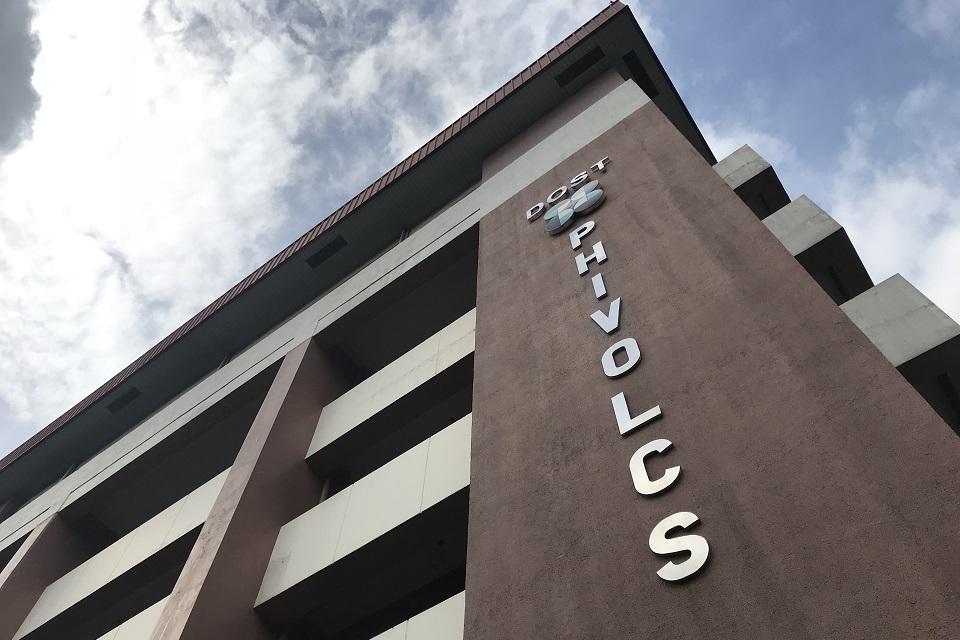
The Department of Science and Technology–Philippine Institute of Volcanology and Seismology (DOST-PHIVOLCS) is conducting a three-day workshop to help coastal communities in the Philippines better prepare for tsunami hazards.
The “Tsunami Ready Philippines: National Workshop,” held from December 8 to 11 in Quezon City, is organized in partnership with the U.S. Department of State Office of International Disaster Response and the U.S. National Oceanic and Atmospheric Administration (NOAA).
The event brings together international and national experts to discuss community preparedness and resilience against tsunamis.
Representatives from national government agencies and local disaster risk reduction and management offices (DRRMOs) of select high-risk coastal provinces, municipalities, and cities attended the workshop.
The program covers strategies and initiatives for preparing and responding to tsunami threats, including risk-reduction efforts such as establishing early warning systems, hazard mapping, and other relevant best practices.
“The workshop highlights the Philippines’ commitment to turning awareness into action, ensuring coastal communities are not just prepared, but truly resilient when tsunami threats arise,” PHIVOLCS said in a statement.
The Philippines is considered highly vulnerable to tsunamis due to its location along the Pacific Ring of Fire and its proximity to major offshore trenches such as the Philippine Trench and Manila Trench.
Historical records show several destructive events, including the 1976 Moro Gulf tsunami, the most devastating on record, which was triggered by an 8.1-magnitude earthquake and killed an estimated 3,000 to 8,000 people in Mindanao.
The country also experienced the 1994 Mindoro tsunami, generated by a 7.1-magnitude quake, which left more than 70 people dead and displaced thousands as waves up to six meters hit coastal towns in Oriental Mindoro.
Earlier, the 1968 Casiguran earthquake produced a tsunami that affected communities along the eastern coast of Luzon.
“The Tsunami Ready Program equips coastal communities to better prepare for tsunamis through cross-sectoral collaboration on risk assessments, warning systems, and evacuation plans,” the U.S. Embassy in the Philippines said in a separate statement.—MCG, GMA Integrated News

