

 GMA Brandtalk
 Tracking
 Archives

PDEA warns vs peyote cactus containing hallucinogenic substance
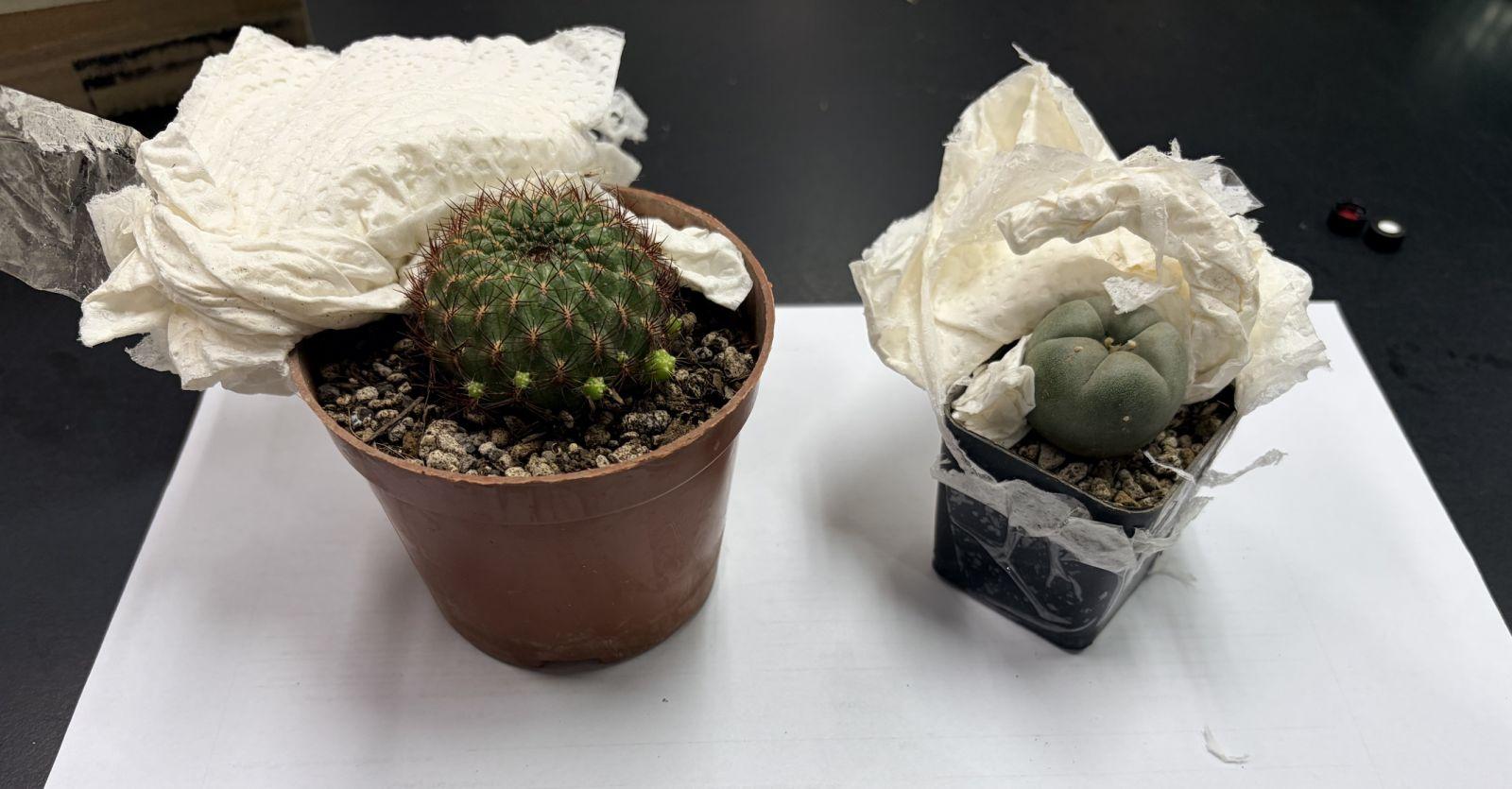
The Philippine Drug Enforcement Agency (PDEA) on Thursday cautioned the public about the online sale of peyote, a spineless cactus that contains mescaline, a dangerous hallucinogenic substance.
In a statement, PDEA director general and undersecretary Isagani Nerez issued the advisory following reports that the cactus is being sold on online shopping platforms.
“The public must understand that ‘peyote’ is not an ornamental plant but a source of dangerous drug. Being sold online either as smuggled contraband or cultivated locally, these cacti are deliberately pushed into online markets to evade detection,” Nerez said.
“Our foremost objective is to protect the Filipino people from substances that threaten their health, safety and future. ‘Peyote’ containing ‘mescaline’ poses real danger. We will not allow it to take root in our communities,” he added.
Nerez urged the public to report any sightings or suspected sale of peyote in their areas to authorities.
The PDEA said mescaline is classified as a dangerous drug under Republic Act 9165 or the Comprehensive Dangerous Drugs Act of 2002.
Mescaline is also listed as a controlled substance under the 1971 United Nations Single Convention on Psychotropic Substances.
Historically, peyote has been used for centuries by Native Americans and Mexicans in indigenous practices, the PDEA said.
It added that mescaline produces powerful hallucinogenic effects that can severely impair judgment and perception.
Users may experience intense nausea, vomiting, dilation of pupils, headaches, muscle weakness and loss of motor coordination, the PDEA said.
“When abused, ‘mescaline’ can cause varying degrees of illusions, hallucinations, distorted sense of body, and altered perception of space and time – effects that can lead to accidents, self-harm and unpredictable behavior,” Nerez said. — JMA, GMA Integrated News

