

 GMA Brandtalk
 Tracking
 Archives

Anti-dynasty bill misleading, has loopholes —minority solons, analyst
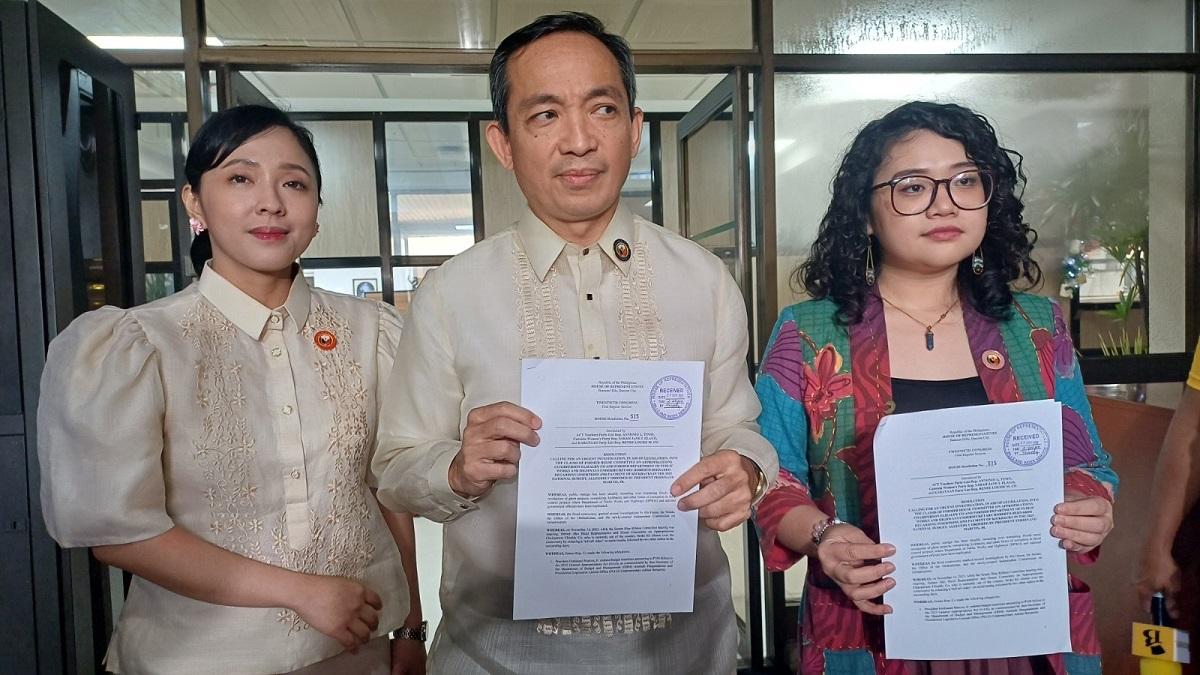
Several members of the House of Representatives who authored anti-political dynasty bills said that the version filed by House Speaker Faustino Dy III and House Majority Leader and Ilocos Norte Rep. Sandro Marcos is misleading and contains several loopholes.
A total of 13 bills have been filed at the House of Representatives to define and prohibit political dynasties.
"Sa unang tingin, the proposed bill seems reasonable since ang ideya ay isa-isa lang ang pwedeng umupo per elective position or position level outlined in the bill. But not really," Deputy Minority Leader and ML Party-list Rep. Leila de Lima said in a statement.
De Lima said House Bill No. 6771 of Dy and presidential son Marcos only limits but does not ban political dynasties.
"Paano kung sa lahat o majority sa anim na elective positions from the National to the barangay level, may galing sa iisang pamilya na sabay-sabay tumakbo at nanalo? Malinaw na political dynasty pa rin yun, a fat political dynasty," de Lima said.
The Makabayan Bloc, composed of ACT Teachers Party-list Rep. Antonio Tinio, Gabriela Party-list Rep. Sarah Elago, and Kabataan Party-list Rep. Renee Co, described the bill as lacking and deceitful.
"Lubhang kapos at mapanlinlang ang bagong panukalang batas kaugnay ng mga political dynasties dahil nililimithan lang nito ang pagsasabay ng mga magkakamag-anak sa parehong national at local positions pero maaaring magkaroon pa rin ng mga magkakamag-anak basta iba-iba ang pusisyong tatakbuhan nila... Malabnaw na nga, inaasahan pang lalabnaw pa ito kapag sinalang na sa deliberasyon. Hindi tayo dapat makuntento sa ganitong panukala," the Makabayan Bloc said in a statement.
Senior Deputy Minority Leader Edgar Erice of Caloocan City said the bill may even strengthen political dynasties.
"Under their proposal, a family can have five sitting officials, public officials simultaneously. One senator, for example, one congressman, one governor, one mayor, and one barangay captain. At yung barangay captain, 'pag na-elect pa na Liga President, magiging councilor pa 'to o kaya provincial board member. So it's not an anti-political dynasty bill. It's a bill that legitimizes the existence of political dynasties. And I think it is against the provisions of Article 2, Section 26 of the 1987 Constitution," Erice said in an interview.
A political scientist also said the bill has several loopholes.
"Bagama’t sa unang basa, makikita natin na hanggang 4th degree of consanguinity ang minumungkahi nitong batas na ito, ang aking nakikita ay may kakulangan ito dahil hindi niya sinasabi kung ilan sa magkakamag-anak ang puwede at hindi pwedeng tumakbo," Professor Julio Teehankee said in an online interview.
"Sa mga ibang version ng batas na minumungkahi ay sinasabi nang diretso na no two members of the same family within the 4th degree can run and hold office. Dito, ang kanilang version ay if a person, ang kanilang definition. So hindi malinaw kung ilan at kung paano," he added.
Teehankee said the bill allows several members of a family to run simultaneously in various positions and places.
"Ang isa pang pagkalatag ng kanilang listahan ng bawal tumakbo ay ayon sa teritoryo or hierarchical territory - national, sa local whether provincial municipal, city o barangay. Kaya lang, hindi maliwanag paano kung may overlapping constitutiencies. Halimbawa, hindi ka nga tumakbo sa isang distrito bilang kongresista, tatakbo ka naman sa ibang distrito sa ibang probinsiya o sa ibang jurisdiction. Kailangang linawin ito. Kung hindi iisipin ng mamamayan at mga nagmamasid na ito ay mga loophole. At ito, again, ay isang malaking pagpapanggap lamang na mayroong tinutulak na anti-political dynasty. Pero ito ay malamya at hindi malinaw at lalong magpapalakas sa mga dinastiya," Teehankee added.—LDF, GMA Integrated News

