

 GMA Brandtalk
 Tracking
 Archives

DepEd's disaster preparedness to get boost in 2026 budget
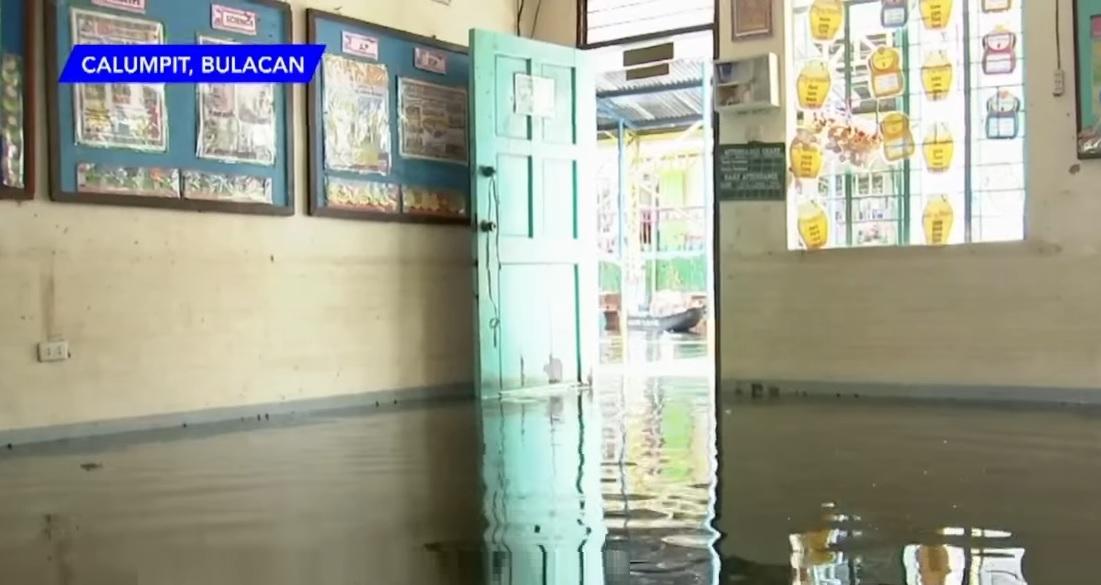
The Department of Education (DepEd) is set to receive a significant increase in disaster preparedness funding under the proposed 2026 national budget, reflecting growing concerns over the vulnerability of public schools to typhoons, earthquakes, and other hazards.
Under the Senate version of the General Appropriations Bill, DepEd’s Disaster Preparedness and Response Program (DPRP) is allocated P3.77 billion, a 466.9% increase from the P665.32 million initially proposed in the National Expenditure Program.
The funding aims to enhance emergency preparedness and expedite repairs in disaster-affected schools. The amount remains subject to approval by the bicameral conference committee.
Education Secretary Sonny Angara said in a press statement that the sharp budget increase comes after another year of widespread school disruptions due to strong storms and seismic activity.
The Philippines experienced more than 20 typhoons and several damaging earthquakes in 2025, resulting in repeated class suspensions and a rising number of school buildings requiring structural rehabilitation.
New tools and programs for disaster resilience
DepEd said the proposed allocation builds on reforms already underway to improve school preparedness and resilience.
These include PlanSmart for Safe Schools, a web-based tool for contingency planning; M7X School Ready Program, certifying schools along the West Valley Fault as earthquake-ready; and Safer Learning Facilities Guidebook, outlining standards for resilient school design.
To address disruptions in learning, DepEd expanded instructional continuity tools such as the Dynamic Learning Program (DLP) and EduKahon kits. The agency is also preparing to deploy Learning Continuity Spaces—prefabricated structures for temporary use in disaster-hit communities.
Infrastructure program targets long-term resilience
A separate P9.39-billion allocation under the Infrastructure for Safer and Resilient Schools (ISRS) Project aims to rehabilitate damaged school buildings to withstand stronger typhoons, flooding, and earthquakes. The program is expected to cover more than 4,700 school buildings and 13,000 classrooms, benefiting an estimated 740,000 learners.
DepEd said the ISRS program, developed with support from the World Bank, is intended to reduce recurring repair costs by ensuring rebuilt structures meet higher resilience standards.
Final budget awaits bicameral approval
Both the DPRP and ISRS allocations will be finalized once the Senate and House reconcile their versions of the 2026 national budget.
DepEd said the proposed increase in disaster and resilience funding reflects the growing urgency of protecting school infrastructure amid the country’s high exposure to natural hazards.—LDF, GMA Integrated News

