

 GMA Brandtalk
 Tracking
 Archives

EXPLAINER: What is DOH's MAIFIP program?
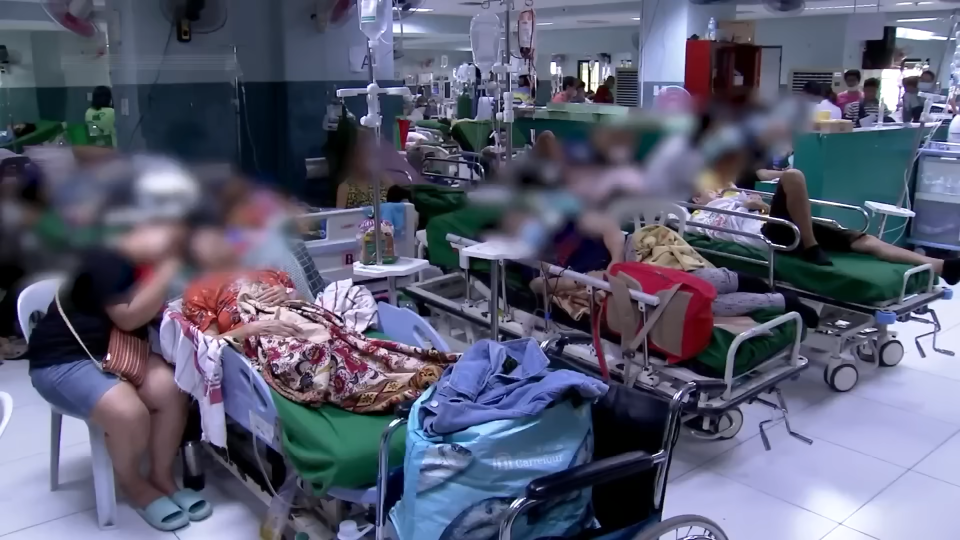
Amid the ongoing bicameral conference committee meeting on the proposed 2026 national budget, some senators and a key leader of the Catholic Church flagged the hike in the funding for the Medical Assistance for Indigent and Financially Incapacitated Patients (MAIFIP) program, warning it may perpetuate patronage politics.
Over the weekend, members of the Senate and House of Representatives (HOR) approved increasing the budget for the MAIFIP program to P51 billion for 2026 following an appeal from the House panel to restore its proposed P49-billion allocation — higher than the P24.2 billion budget under the National Expenditure Program (NEP).
In 2025, P41.16-billion was allocated to the MAIFIP program under the DOH budget.
The Senate version of the budget had slashed MAIFIP funding to P29 billion for 2026.
House Appropriations Committee chairperson Mika Suansing warned that upholding the Senate’s proposed cut would supposedly affect an estimated 1.1 million patients.
MAIFIP
MAIFIP is a financial aid program of the Department of Health targeted to provide assistance for the medical expenses of eligible applicants including indigent and financially incapable patients.
The assistance applies to expenses exceeding the applicable PhilHealth benefit packages, case rates, or other available funding sources.
An indigent patient is described as someone who has no visible means of income or whose income is insufficient for the subsistence of their family as assessed by the medical social worker of the health facility
Meanwhile, financially incapacitated patients are those who are not classified as indigents but who demonstrate a clear inability to pay or spend for necessary expenditures for their respective medical treatment such as, but not limited to, patients with catastrophic illness or illnesses which are life or limb-threatening and require prolonged hospitalization, illnesses that require extremely expensive treatments, or other special but essential care that would deplete one’s financial resources, as assessed and certified by the medical social worker.
The beneficiaries shall be admitted to basic or ward accommodation and may be admitted to the next available private accommodation only if basic or ward accommodation is not available, in emergency cases requiring immediate care and admission to the Intensive Care Unit; and patient has communicable diseases, immunocompromised, or has a condition requiring isolation.
The MAIFIP Program funds cover medicines, services, and other medical products as prescribed by a licensed physician or health professional, such as, but not limited to the following:
- Drugs and medicines as approved by the Food and Drug Administration (FDA);
- Laboratory, imaging, radiological, and other diagnostic procedures, including assessment/readers’ fees;
- Blood and other related blood screening/products:
- Clinically indicated medical-surgical cases, obstetrics-gynecological cases considered as high-risk: cases requiring implants, medical devices, and supplies, and other relevant procedures;
- Clinically indicated dental cases, including routine preventive oral care, subject to the guidelines issued by the DOH;
- Dialysis sessions exceeding the coverage and package rates provided by PhilHealth;
- Prescribed post-hospitalization, rehabilitation services, aftercare program, and appropriate mental and psychosocial support;
- All hospital bills/charges after all applicable and available deductions; and
- Professional fees (PF), subject to the guidelines issued by the DOH.
Those eligible should apply and submit documentary requirements to the medical social welfare worker of the health facility.
Guarantee letters
However, the program has drawn criticism for its heavy reliance on guarantee letters from politicians, a practice critics say perpetuates patronage politics.
Guarantee letters are issued by government officials such as senators and congressmen to hospitals, committing to shoulder the full or partial medical costs of qualified patients.
The process for acquiring GLs differs from office-to-office but often through writing a solicitation letter.
Cardinal Pablo Virgilio "Ambo" David, president of the Catholic Bishops Conference of the Philippines (CBCP), called the program a “violation of human dignity.”
He also described MAIFIP as a “health pork barrel” in the national budget that allows politicians to control who receives aid and how much.
Some legislators including Senate President Pro Tempore Ping Lacson warned of the perpetuation of patronage politics with the hiked MAIFIP budget for 2026, saying he will not ratify 2026 budget bicameral conference report unless the provisions in the MAIFIP are corrected. —AOL, GMA Integrated News

