

 GMA Brandtalk
 Tracking
 Archives

Ombudsman: Govt's anti-corruption response amid flood control mess is quick and solid
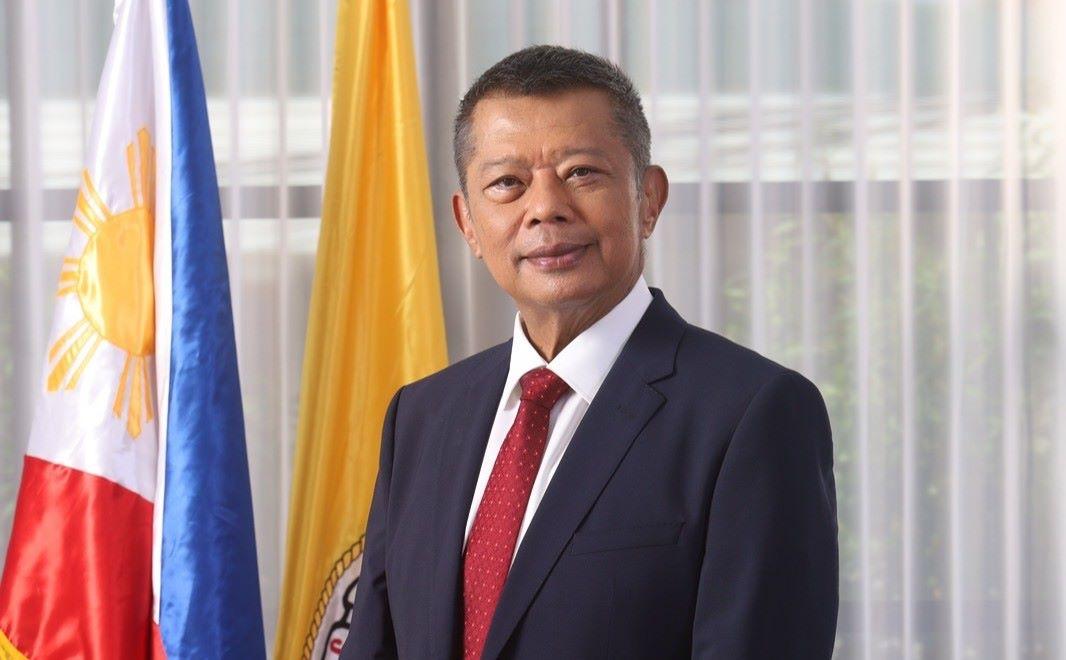
Ombudsman Jesus Crispin Remulla on Tuesday said that the government’s anti-corruption response to deeply embedded corruption has been swift and anchored on solid ground.
Remulla made the declaration during his United Nations Convention against Corruption speech held in Doha, Qatar.
”The Philippines appears before this body at a time of significant political and institutional testing. Corruption today is more complex, more transnational, and more deeply embedded in critical sectors. The strength of our institutions and their ability to enforce accountability has become a measure of national stability,” Remulla said.
“In the past year, we uncovered a systemic corruption scheme in flood control projects. We moved quickly, complaints were evaluated, evidence was assessed, and charges were filed,” Remulla added.
The Ombudsman said several high-level officials now face cases before the Sandiganbayan, which serves as the country’s anti-graft court.
Ombudsman prosecutors have filed two batches of charges against alleged perpetrators of the flood control mess so far since President Ferdinand Marcos, Jr. called out the anomalous government flood control projects during his fourth State of the Nation Address (SONA) last July 28.
These cases include:
- The malversation and graft charges filed vs. former Ako Bicol party-list Rep. Zaldy Co and 16 others with the Sandiganabayan over the P289 million substandard road dike project in Oriental Mindoro and
- The malversation and graft charges filed against contractor Sarah Discaya, among others, with the Digos City, Davao del Sur Regional Trial Court over the P96.5 million ghost flood control project in Davao Occidental
”These actions send a clear message. Accountability must reach those who believe that they are beyond the law,” Remulla said.
“This is the environment in which my office operates and it is why our commitment to UNCAC is urgently operational and central to sustaining public confidence. Through the Integrity Management Program jointly led by the Office of the President and the Office of the Ombudsman, agencies [are] committed to preventive standards that reduce discretion, limit opportunities for graft, and strengthen compliance,” Remulla added.
Likewise, Remulla said that President Marcos's anti-corruption strategy rests on two pillars: streamlining and digitizing government processes and empowering citizens through full disclosure and transparency.
“This direction is now embedded in the new Government Procurement Act which integrates digital oversight, requires beneficial ownership disclosure, and reinforces public participation. These reforms protect national credibility and ensure development is not undermined from within,” Remulla said.
Remula, however, said there is still more work to be done.
“For the Philippines, facing economic pressures, climate vulnerabilities, and evolving security challenges, strong institutions are essential. Our adherence to UNCAC reflects this reality. No country can address corruption alone. We welcome deeper cooperation in asset recovery, procurement transparency, information sharing, and countering cross-border and technology-enabled corruption,” Remulla said.
“The Philippines remains committed to strengthening integrity in public service, modernizing enforcement systems and demonstrating through concrete action that accountability is non-negotiable,” Remulla added.—VAL, GMA Integrated News

