

 GMA Brandtalk
 Tracking
 Archives

Bicam approves P63.9-B fund for AICS under 2026 budget
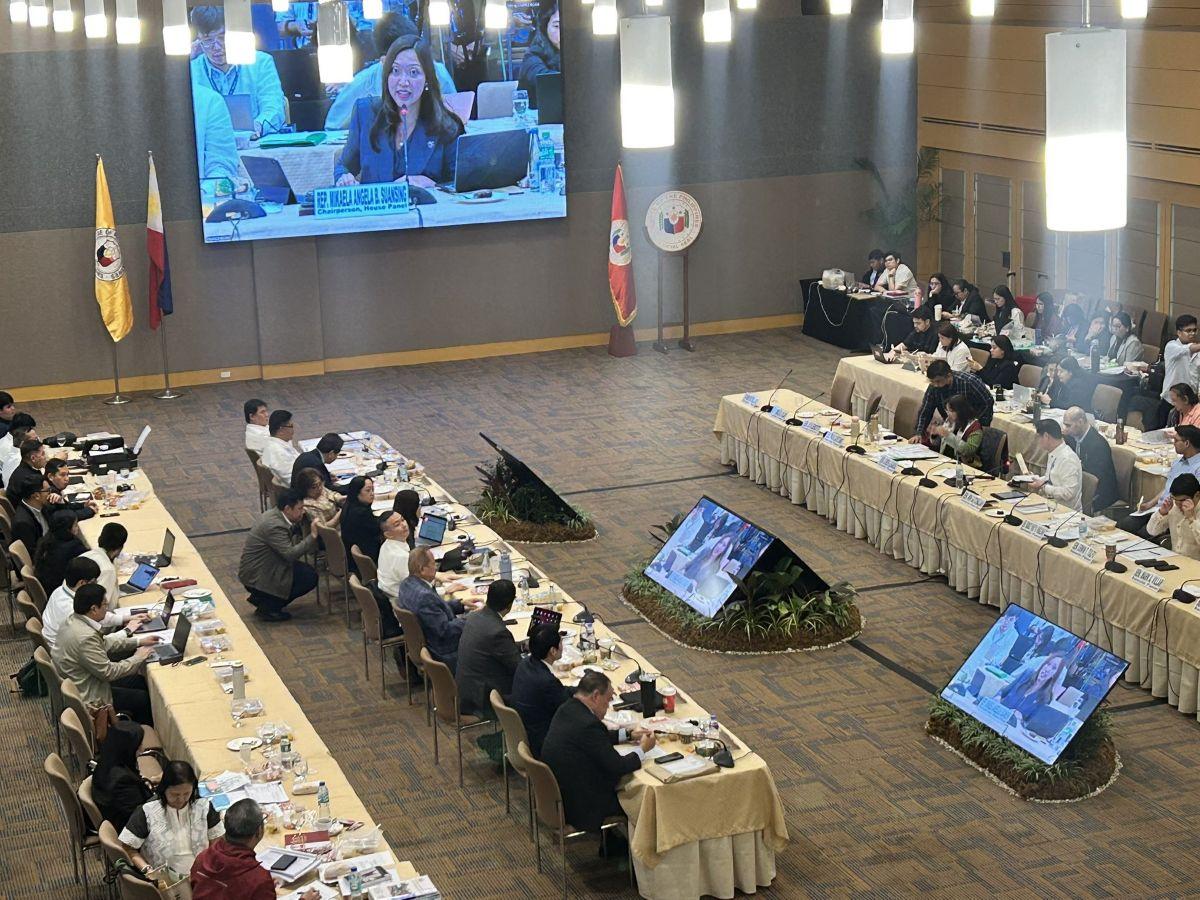
The Bicameral Conference Committee on Wednesday morning approved a P63.9-billion budget for the Assistance to Individuals in Crisis (AICS) program for 2026, a P37-billion increase from the original proposal of P26.9 billion under the National Expenditure Program
This developed after the Bicam panel adopted the House version of the proposed P6.7-trillion budget which allocated P63 billion for AICS. Of the P63 billion, the House sourced the P32.6 billion from the realigned budget for flood control projects of the Department of Public Works and Highways (DPWH).
Senate finance panel chairman Sherwin Gatchalian said the House’s version is justified, given that for the last two years, AICS allocation under the programmed funds were all used up and that the government had to tap into the unprogrammed funds to ensure that government aid will be available to those in need.
Unprogrammed appropriations are budget items which will only be funded if there is excess government revenue and other fund sources such as loans or special laws, meaning the funding is not guaranteed unlike items under the programmed appropriations.
“In 2024, the released funds for AICS under unprogrammed funds was about P15 billion. In 2025, it is about P14 billion. There’s a proposal to place additional funding for AICS under the unprogrammed fund under the SAGIP, but our proposal in the Senate is to remove this SAGIP and just place it under the programmed fund kasi naaabuso ito (SAGIP) at doon nanggaling iyong flood control [budget] (because it is being abused and that is where the budget for flood control projects comes from),” Gatchalian said.
SAGIP is the Strengthening Assistance for Government Infrastructure Programs.
“In other words, wala na pong magpagkukunan ang DSWD [na pandagdag kung maubos ang AICS sa programmed funds] dahil wala na pong SAGIP sa unprogrammed. Iyan rin isang dahilan na dapat i-transfer natin [itong dagdag pondo sa AICS] from unprogrammed to programmed appropriations,” Gatchalian added.
(In other words, DSWD won't have a fund source in the event it runs out of AICS fund from programmed funds because SAGIP is not included in unprogrammed funds. This is one of the reasons why we should place the additional AICS fund from unprogrammed to programmed appropriations.)
Senator Erwin Tulfo and House appropriations panel chairperson and Nueva Ecija 1st District Representative Mikaela Suansing agreed. They said that DSWD had to request a release of the Quick Response Fund (QRF) to be able to augment AICS funding this year since the AICS fund already ran out during the last quarter amid a series of earthquakes and typhoons, leaving more Filipinos in need of AICS.
“That is a very good point, po, Senator. When we no longer have unprogrammed appropriations [to hike AICS fund] particularly under SAGIP, kung kulangin po tayo ng pondo sa (if we run out of funds for) AICS, there's no longer any legal basis for us to be able to pull any other funds that can augment AICS,” Suansing said.
"And looking at the current funding levels for AICS for 2025, at the current GAA (General Appropriations Act) level for 2025 of P43 billion pesos, nagkulang na po 'yun. Naubos na po (it ran out. The fund has been used up)," Suansing added.
Tulfo then cited that based on his past experience as DSWD chief, the AICS budget would always fall short because of the unpredictability of natural disasters that would leave people in need of a safety net.
In addition, Tulfo said the new law mandating DSWD to pay for funeral expenses of those in need would also again fall on AICS, making the increase a necessity.
“Hindi lang po 'yung tinamaan ng bagyo, tinamaan po ng earthquake ang tinutulungan ng DSWD [sa AICS]. Kahit po iyong mga fishermen na hindi makalabas, kapag hindi po pinalabas ng Coast Guard dahil sa sama ng panahon. Kapag hindi po nakalaot ng three days, wala na pong kakainin. Therefore, kailangan po ng ayuda mula po sa DSWD. 'Yun lang po 'yung point ko. Tapos meron ka pang burial assistance na ngayon. Then you have educational assistance pa 'pag pasukan. Marami siyang paggagamitan,” Tulfo said.
(It is not just typhoon and earthquake victims who are being assisted by DSWD [through AICS]. Even fisherfolk who could not go fishing as they are prohibited by the [Philippine] Coast Guard due to bad weather. They won't have anything to eat if they are not allowed to fish for three days. Therefore, they really need DSWD's assistance here. That is my point. And then there's the burial assistance now. Then you have educational assistance during school season. AICS can be used to help many people.)
“And [so] we really need to increase this, Mr. Chair,” Tulfo added. —KG, GMA Integrated News

