

 GMA Brandtalk
 Tracking
 Archives

Marcos rejects PH label as ‘ISIS training hotspot’
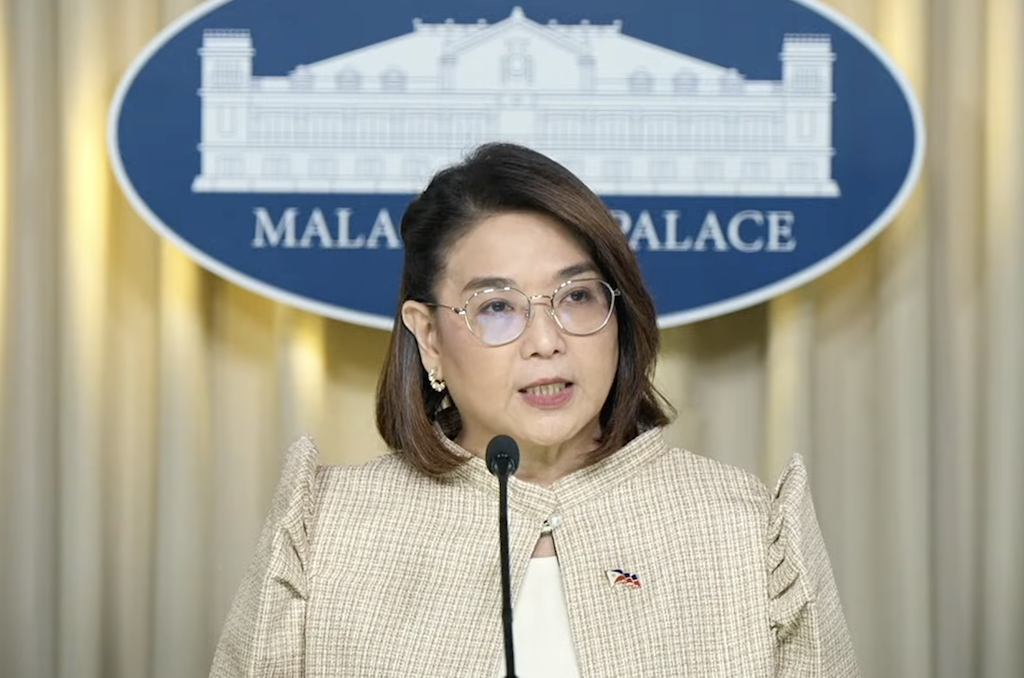
President Ferdinand “Bongbong” Marcos Jr. has rejected claims branding the Philippines as an “ISIS training hotspot” following reports that suspects in the Bondi Beach shooting incident had previously traveled to the country, Malacañang said on Wednesday.
During a press briefing, Palace Press Officer Undersecretary Atty. Claire Castro was asked to react to reports by some media outlets characterising the Philippines as an “ISIS training hotspot.”
“Of course, the President strongly rejects this sweeping statement and the misleading characterisation of the Philippines as an ISIS training hotspot,” Castro said.
The National Security Council (NSC), in a statement read by Castro, likewise said the characterisation was misleading.
“Currently, there is no validated report or confirmation that the individuals involved in the Bondi Beach incident received any form of training in the Philippines,” Castro said.
Castro added that Philippine authorities continue to verify all information, but no evidence has been presented to show that the country was used for terrorist training.
She also noted that since the Marawi siege, Philippine law enforcement agencies have been able to significantly degrade ISIS-affiliated groups in the country.
“Both United Nations and U.S. government assessments indicate that these groups now operate in a fragmented and diminished capacity. Violence in Mindanao is largely driven by historical conflicts and local clan disputes rather than the operational capacity of ISIS-affiliated organizations,” Castro said.
She added that recent assessments have shown significant improvements in the domestic security environment, which had previously been affected by terrorism.
“These developments reflect the sustained efforts of our security forces and the resilience of our communities in advancing peace, order, and development across the nation,” Castro said.
Still, Marcos has directed the Anti-Terrorism Council and its member agencies to remain vigilant in preventing any terrorist activity within Philippine territory and to continuously enhance coordination with international partners to safeguard national security, according to Castro.
Meanwhile, Castro urged foreign media outlets to report responsibly, noting that inaccurate reporting could affect the Philippines’ image and integrity.
Earlier, Bureau of Immigration spokesperson Dana Sandoval said 50-year-old Sajid Akram and his 24-year-old son, Naveed Akram—suspects in the Australia shooting incident—arrived in the Philippines from Sydney on November 1.
Sandoval said Sajid Akram is an Indian national and an Australian resident, while Naveed Akram is an Australian national. During their visit to the Philippines, both reportedly listed Davao as their final destination.
The two left the Philippines on November 28, travelling from Davao to Manila before flying back to Sydney.
On December 14, the two gunmen opened fire at a Jewish holiday celebration at Bondi Beach, killing 15 people.
The death toll later rose to 16 after one of the gunmen was killed.—MCG, GMA Integrated News

