

 GMA Brandtalk
 Tracking
 Archives

Study finds learning gains, gaps among Filipino kids
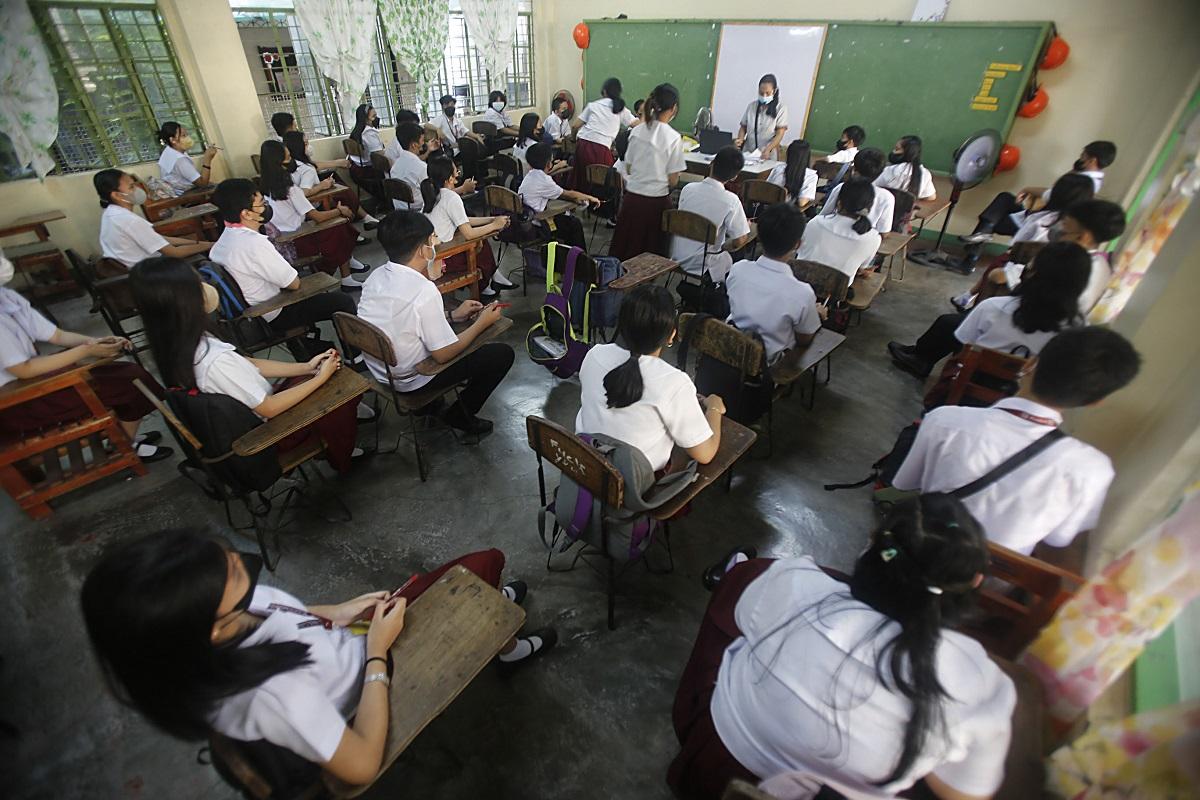
A Southeast Asian study has found that more Filipino Grade 5 learners are reaching higher proficiency levels in mathematics and reading, even it also found that learning gaps among disadvantaged students remain wide.
Results of the Southeast Asia Primary Learning Metrics (SEA-PLM) 2024, released by the Southeast Asian Ministers of Education Organization (SEAMEO) and UNICEF on Tuesday, December 16, show gains among the country’s top performers since 2019.
The same study, however, highlighted persistent disparities linked to poverty, gender, language, and region.
SEA-PLM is a large-scale regional assessment that measures Grade 5 learning outcomes and collects background data to guide education policy.
In the Philippines, the 2024 cycle assessed 5,070 learners, 494 teachers, and 156 school principals, providing a snapshot of performance in reading, writing, and mathematics relative to Southeast Asian peers.
More pupils reach higher proficiency
The study showed a marked increase in the share of Filipino learners reaching advanced proficiency levels, particularly in mathematics.
In math, the proportion of students achieving higher proficiency (Band 6 and above) rose from 17 out of 100 learners in 2019 to 26 out of 100 in 2024.
Reading results also improved, with 14 out of 100 learners reaching the highest proficiency band in 2024, up from 10 out of 100 five years earlier, the study showed.
The assessment also pointed to improvements in school safety. The percentage of students enrolled in schools where principals reported monthly bullying incidents declined from 55 percent in 2019 to 42 percent in 2024.
Disparities remain wide
Despite overall gains, SEA-PLM 2024 found persistent gaps in learning outcomes.
Significant gaps persist between high- and low-performing students; between girls and boys, with girls generally outperforming boys; between learners from wealthier and poorer households; between children who speak the test language at home and those who do not; and across regions.
UNICEF Philippines Representative Kyungsun Kim said the results reflect both resilience and the need for faster, more targeted reforms.
“The results show the education system in the Philippines is notably resilient, and we see that catch-up interventions after the COVID-19 pandemic are potentially effective. The country is on the right path to improving learning outcomes,” Kim said.
She stressed that progress must reach learners who continue to lag behind.
“Accelerating progress will help more learners, especially those who are disadvantaged, benefit from quality education,” she added.
Kim said sustained reforms could yield stronger results in the next SEA-PLM cycle in 2029, ahead of the 2030 Sustainable Development Goal deadline.
“If the country maintains its reform path and significantly improves implementation—especially efforts that accelerate progress in foundational learning—even better results may be expected in the next SEA-PLM cycle in 2029,” she said.
Evidence-based reforms urged
UNICEF said it is working with the Department of Education to further analyse SEA-PLM data, including differences related to language, context, and region, to help guide reforms.
Together with SEAMEO, UNICEF committed to supporting the Philippines through 2026 by backing reforms under the Quality Basic Education Development Plan and the upcoming National Education and Workforce Development Plan, covering early childhood education, learning recovery, and skills development.
The agencies also urged the government to focus spending on programs that give children a strong start in their first 1,000 days of life, improve schools so they can withstand climate-related risks, train teachers better, and offer more flexible ways for students to learn—steps they say are needed to fix learning problems and narrow education gaps highlighted in the SEA-PLM 2024 study.—MCG, GMA Integrated News

