

 GMA Brandtalk
 Tracking
 Archives

Pols can't decide on medical grants, DOH says
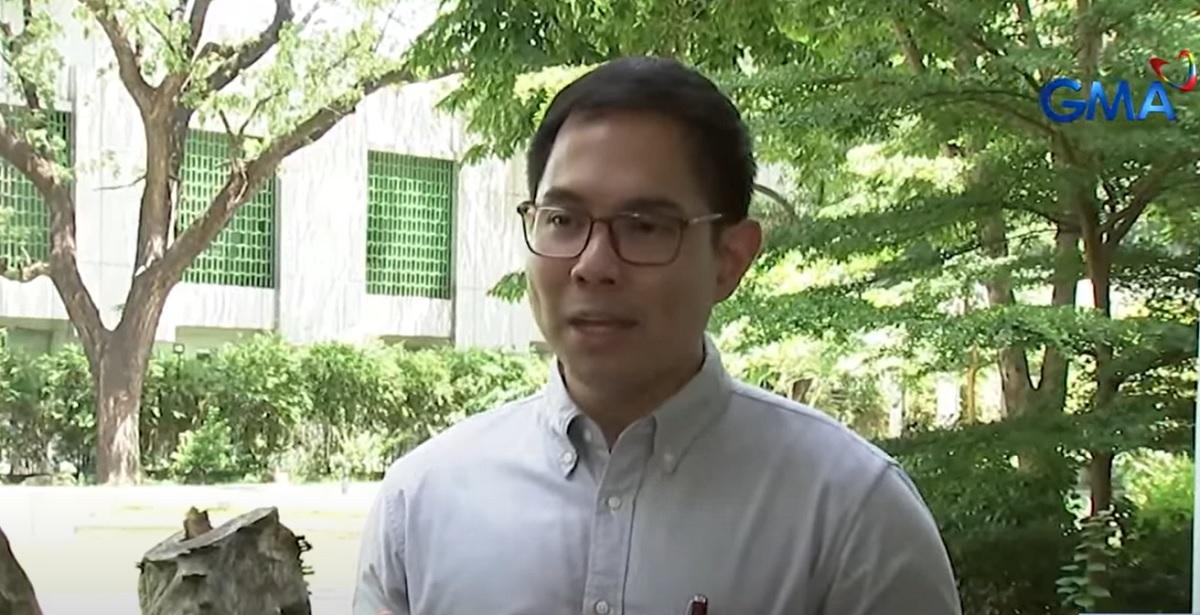
Politicians who provide medical assistance by issuing guarantee letters (GLs) do not have the authority to decide who receives it or how much aid is granted, the Department of Health (DOH) clarified on Saturday.
In a dzBB interview, DOH spokesperson Assistant Secretary Albert Domingo said the Medical Assistance for Indigent and Financially Incapacitated Patients (MAIFIP) program would no longer require GLs from politicians.
Instead, decisions are based on assessments by designated medical social workers, he said.
“Hindi talaga namin kailangan yung GL. Ipinapatong lang po ’yan, ikinakabit doon sa mga papeles, pero ang pinakamahalaga talaga sa amin yung referral ng social worker,” Domingo said.
(We don’t really need the GL. It is simply attached to the documents, but what truly matters is the referral of the social worker.)
Domingo advised patients seeking assistance under MAIFIP to coordinate directly with their hospital’s medical social services or social workers regarding the program’s requirements and their hospital’s arrangements with the DOH.
“Marami tayong mga private hospital at halos lahat ng mga public LGU hospital at DOH hospital may access sa tinatawag na MAIFIP,” he added.
(We have many private hospitals, and almost all public LGU hospitals and DOH hospitals have access to MAIFIP.)
The MAIFIP program aims to provide medical assistance to eligible indigent and financially incapacitated patients by covering expenses not included in PhilHealth benefit packages, case rates, or other available funding sources.
The bicameral conference committee deliberating on the 2026 national budget approved a P51-billion allocation for MAIFIP, a move that has drawn criticism amid concerns the fund could be used by lawmakers and politicians to perpetuate political patronage.
But Domingo clarified that the increased MAIFIP allocation will not be released to mayors or governors but will be disbursed directly to LGU hospitals, as well as DOH-run and accredited private hospitals.
“Ang malaking bahagi ng P51 billion na kanilang inaprobahan para sa MAIFIP ay mapupunta na diretso, hindi sa LGU, ngunit sa LGU hospitals (The bulk of the P51 billion approved for MAIFIP will go directly—not to LGUs, but to LGU hospitals,)" he said
"Nakakarinig po ako na parang pupunta sa mayor at governor. Hindi po ito totoo. Pupunta po ’yan diretso sa LGU hospitals dahil billing section na ang bahala. So sa mga level 3 LGU hospitals na malalaki, dapat zero billing na,” Domingo added.
(I have been hearing claims that it will go to mayors and governors, which is not true. It will be released directly to LGU hospitals, where the billing sections will handle the funds. In large, level-3 LGU hospitals, zero billing should already apply.)
The DOH official said many LGU hospitals have struggled to implement zero-balance billing because of funding constraints, but MAIFIP funds are meant to help close this gap and cover other hospital operating expenses.
He also said that MAIFIP is not a form of cash assistance but a payment mechanism for hospital services.
“Ito yung safeguards—kapag walang pasyente na may sakit, hindi puwedeng kunin yung MAIFIP. Kaya sinasabi namin, hindi ito cash. Pambayad-serbisyo siya,” he said.
(These are the safeguards—if there is no patient requiring treatment, MAIFIP funds cannot be accessed. That is why we emphasize that this is not cash but payment for services.)
Even before the proposed budget increase, the use of GLs and the MAIFIP program had drawn concern from healthcare professionals and policy advocates.
In a November press conference, health experts pointed to a decline in PhilHealth benefits alongside a significant rise in MAIFIP allocations over the years, describing this as a “self-serving” shift that effectively positions politicians as primary healthcare providers.
They also criticised the use of GLs, saying it risks turning medical assistance into “patronage funds” linked to political support.
“If health is truly a right, you shouldn’t kneel, beg, or line up for it,” said Dr. Antonio Dans, convenor of the Health Professional Alliance.—MCG, GMA Integrated News

