

 GMA Brandtalk
 Tracking
 Archives

'Pailaw' with purpose? How Christmas light displays in LGUs pay off
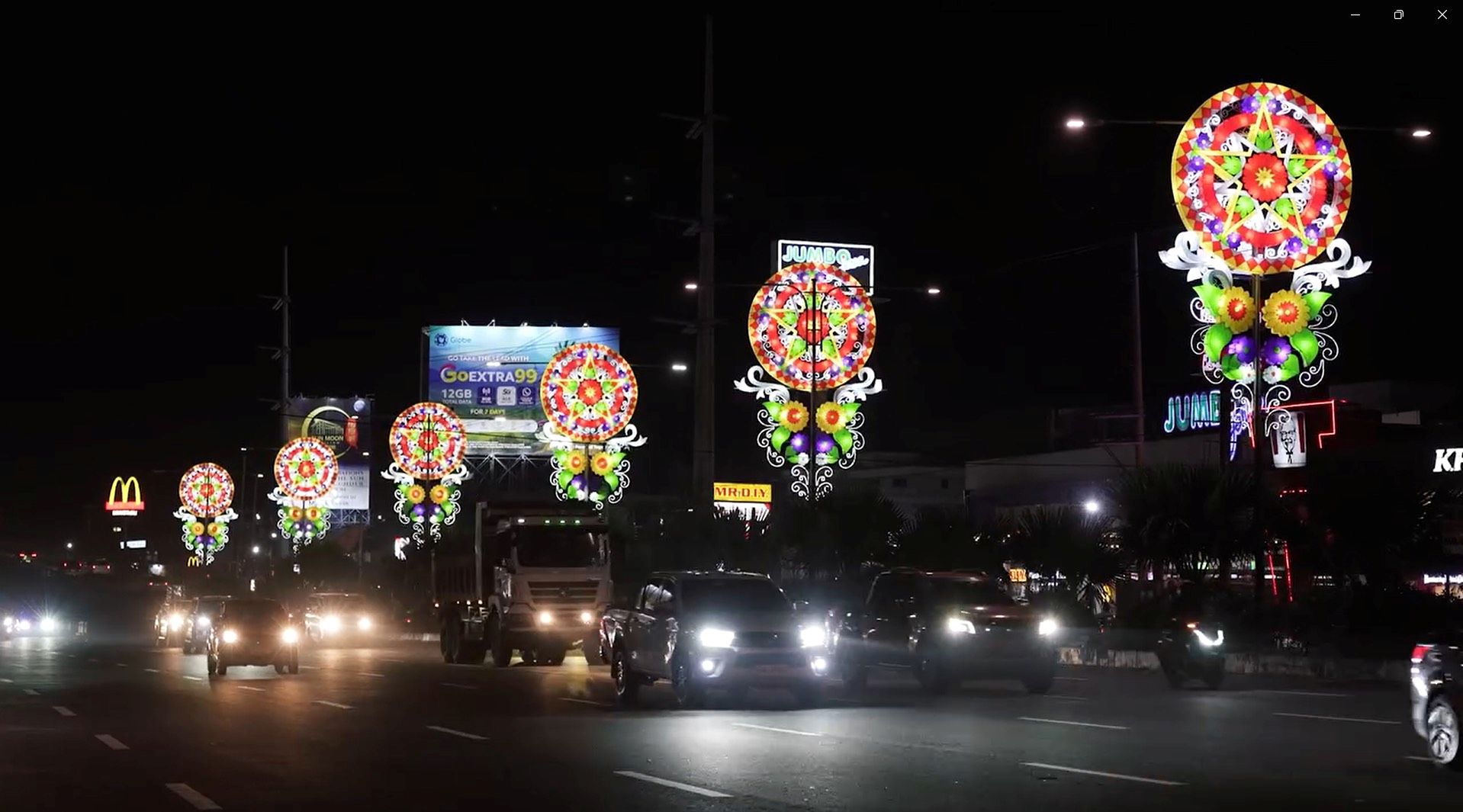
San Fernando City in Pampanga comes alive with different kinds of lanterns and lights every night once the “ber” months start. Every color saturates the major roads and landmarks in the city dubbed as the “Christmas Capital of the Philippines.”
“Pailaw” or the Christmas light displays in San Fernando is a tradition centuries in the making. More than just a seasonal spectacle, pailaw shows heritage and offers livelihood opportunities.
The roots of San Fernando’s famed Christmas light shows trace back to Lubenas, a Kapampangan tradition of lantern-led processions during Simbang Gabi.
“Our Ligligan Parul or Giant Lantern Festival dates back to the centuries-old Kapampangan tradition called Lubenas which are lantern-led processions during the Simbang Gabi on the nine days before Christmas,” City Tourism Officer Ma. Lourdes Carmella Jade ‘Ching’ Pangilinan told GMA News Online.
Lantern making has evolved through the years into bigger and more colorful giants, according to Pangilinan.
“The earliest photo of a street decorated with lanterns in San Fernando dates back to 1909 and is part of the Luther Parker collection, " she said.
“The City has a long standing tradition of decorating its main thoroughfares with locally crafted lanterns during the Christmas season and throughout the year,” she added.
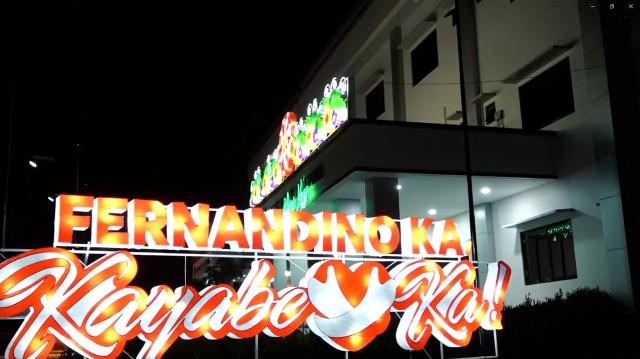
Today, the glow of San Fernando is the product of collective effort. The Giant Lantern Festival is mounted through collaboration between the city government, the private sector, and local communities with San Fernando barangays as participants.
The city government funds the Christmas decorations, while festival costs are jointly raised by public and private partners, according to Pangilinan.
Along Jose Abad Santos Avenue, the city’s main thoroughfare, the Christmas decorations have sparked a ripple effect.
Pangilinan noted how major business hubs like Laus Group Complex and Capital Town Township have followed suit, decorating their own avenues and streetlights. Resorts have also built Christmas villages, inspiring nearby towns to do the same.
“Our tourist arrivals have tremendously increased especially after the pandemic. In 2024, we had close to 300,000 overnight stays and 2.6 million day visitors,” she said.
Behind the spectacle are all locals.
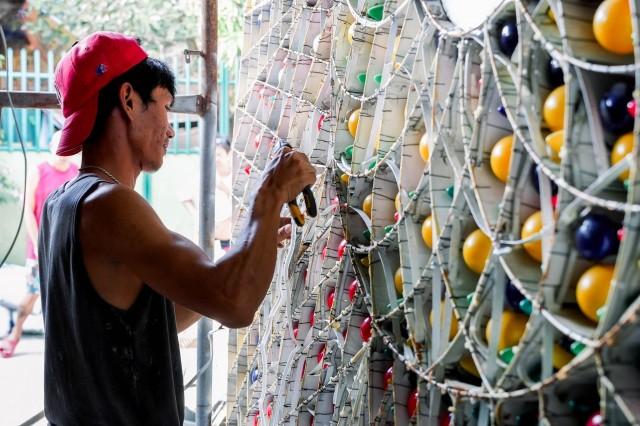
“All our lantern suppliers are locals. We do it not just for visitors but primarily for our residents to preserve and continue our lantern traditions and bring cheer to our community. The city also serves as the best showcase for us to market our lantern industry,” she said.
For the San Fernando City government, pailaw is not merely for show.
“The return of investment of these lanterns have come back to us a thousandfold. Our lantern makers employ more than a thousand families in our city. If you look at it from the lens of sustainability then we can say that economy, culture, and environment are all accounted for,” Pangilinan said.
“Culturally, Kapampangans are known for their yabang. So we are not satisfied with just small and simple lanterns, they have to be beautiful as well,” she added.
Across the country, more local government units are setting up Christmas light displays. From city plazas to heritage districts, Christmas light displays led by LGUs are redefining how towns and cities compete for attention during the peak holiday travel season.
Tourism Secretary Christina Frasco said big Christmas light shows have evolved from simple seasonal decorations into powerful tourism drivers that help destinations stand out.
“These initiatives give both tourists and Filipinos the opportunity to feel the spirit of Christmas while celebrating the country’s creativity and cultural identity,” Frasco told GMA News Online.
She said well-designed light displays transform public spaces into gathering places “where tradition and modern expressions of Filipino Christmas culture meet,” encouraging families, communities, and visitors to come together.

Frasco noted that during December—one of the busiest travel months—illuminated displays become “tourist magnets.”
“These displays are symbolic of the Filipino spirit—joyful, hopeful, and endlessly creative,” she said.
The Department of Tourism (DOT) has observed clear economic ripple effects from LGU-led Christmas programs.
“Festive light displays stimulate local economic activity by drawing visitors into heritage areas, food districts, and community spaces,” Frasco said while citing the Christmas in the Walls in Intramuros.
She observed an impact like increased foot traffic for eateries, souvenir shops, transport providers, and informal vendors, as well as longer visitor dwell time that supports additional spending.
LGU Christmas initiatives also boosts community participation with local artisans, creatives, and barangays.
Several destinations already illustrate how holiday light displays boost tourism visibility and visitor flows, Frasco.
Ayala Triangle Gardens’ Festival of Lights in Makati has become a well-established seasonal attraction, drawing nightly crowds and increasing foot traffic within the business district.
Taguig’s “Christmas by the Lake” combines light installations with food parks and family-oriented activities, attracting Metro Manila residents and nearby domestic travelers.
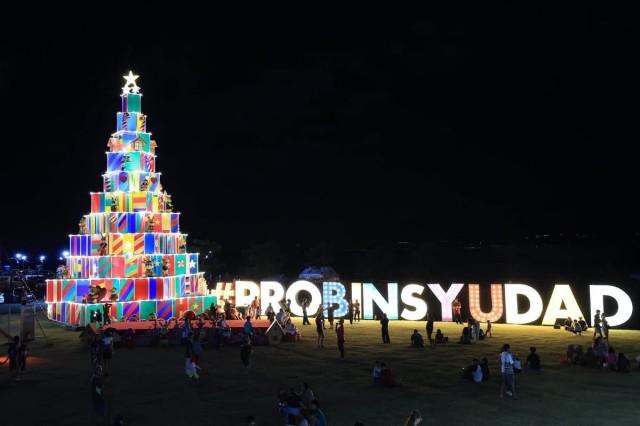
Meanwhile, the Giant Lantern Festival in San Fernando, Pampanga continues to attract domestic and international visitors with its massive lanterns, reinforcing the city’s reputation as the Christmas Capital of the Philippines.
For Frasco, these efforts show how LGUs, whether in large cities or small communities, can turn Christmas into both a cultural celebration and a tourism strategy.
“LGU initiatives of Christmas light shows and festivals in plazas and community centers reflect how Filipino communities—whether large cities or small barangays—can showcase their talent, creativity, and resilience, while using Christmas celebrations to foster joy, hope, and shared national identity,” she added. —AOL, GMA Integrated News

