

 GMA Brandtalk
 Tracking
 Archives

NMC won't reply point-by-point to China statements on WPS dispute
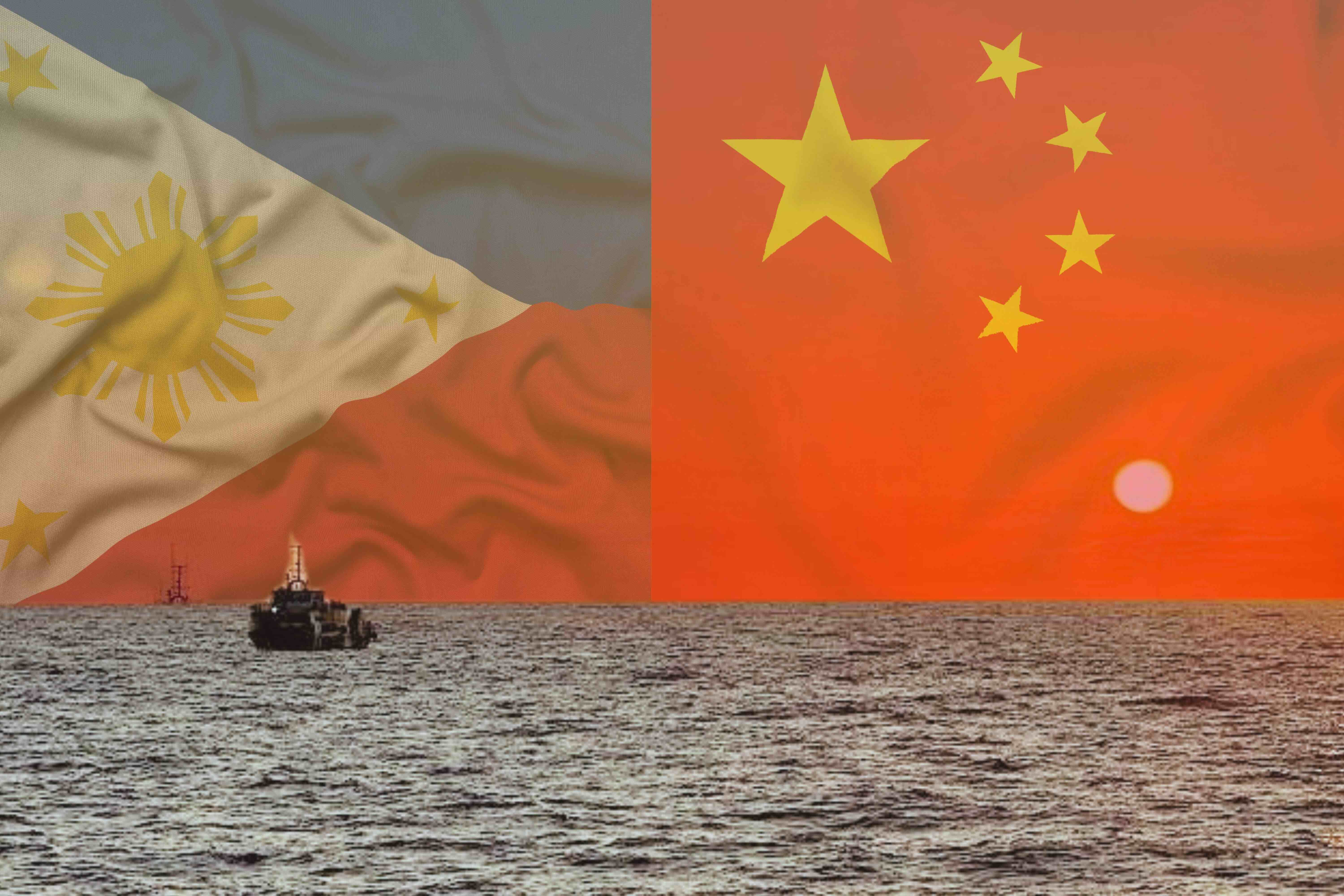
The country’s National Maritime Council (NMC) on Wednesday said it will not respond point-by-point to China’s recent statements on the maritime dispute over the West Philippine Sea.
NMC spokesperson Alexander Lopez said they are being careful in conveying their statements so as not to add fuel to the fire.
“At isa pa, the way we convey our narratives, iyong very careful tayo sa ating pananalita, iyong tono ng ating mga statements para hindi ito ay magmukhang maanghang at it will just invite another round of serious rebuttal,” Lopez said on Wednesday.
(And another thing, the way we convey our narratives – we are being very careful with our words and the tone of our statements so that they don’t appear harsh and won’t just invite another round of serious rebuttal.)
“Just like two days ago, iyong China Embassy are coming up with rebuttals, hindi natin iyan sasagutin iyan point-by-point dahil previously nasagot na natin iyan eh. So no need to come up with those rebuttals anymore, but rather we want to come up with a higher ground, we discuss issues and we do not discuss personalities,” he added.
(Just like two days ago, when the Chinese embassy came up with rebuttals – we won’t answer that point-by-point because we previously answered that. So there is no need to come up with those rebuttals anymore; rather, we want to take the higher ground. We discuss issues and we do not discuss personalities.)
On Tuesday, the Chinese Embassy in Manila said it has “always been the Philippines that has time and again provoked trouble in an attempt to change the status quo.”
“China has been compelled to take necessary measures in response, to safeguard its territorial sovereignty and maritime rights and interests, and to ensure the full and effective implementation of the DOC. China has also been exercising maximum restraint and patience,” the Chinese Embassy, adding that “had this not been the case, the situation on the ground might have been entirely different.”
This was after the NMC, on Monday, said the tensions in the West Philippine Sea “are the direct result of China’s persistent illegal, coercive, aggressive and deceptive (ICAD) activities.”
The NMC maintained that Manila’s response to any aggression by Beijing in accordance with the United Nations Convention on the Law of the Sea (UNCLOS).
“Well, unang-una, lahat ng mga action natin, sinisigurado ng ating gobyerno na ito ay batay sa unang-una legal ‘no, ayon sa UNCLOS, international law and consistent doon sa ating 2016 arbitral ruling,” said Lopez.
(Well, first of all, our government ensures that all of our actions are based, primarily, on what is legal – according to UNCLOS, international law, and consistent with our 2016 arbitral ruling.)
“At pangalawa, as – kasama din ito sa polisiya ng ating gobyerno at utos ng ating Pangulo, whatever dispute or misunderstanding ay tatalakayin natin ito sa isang mapayapa at ima-maximize natin iyong ating diplomacy or diplomatic tools and mechanisms para maresolba itong mga bagay-bagay na ito,” he added.
(And secondly, as – this is also part of our government’s policy and our President’s order – whatever dispute or misunderstanding exists, we will address it in a peaceful manner and maximize our diplomacy or diplomatic tools and mechanisms to resolve these matters.)
The Philippines refers to parts of the waters within its exclusive economic zone as the West Philippine Sea.
These are maritime areas on the western side of the Philippine archipelago, including Luzon Sea and the waters around, within and adjacent to the Kalayaan Island Group and Bajo de Masinloc.
The 2016 arbitration ruling upheld the Philippines’ claims over China’s historical claims in the disputed South China Sea under the UNCLOS, but China never recognized the decision. — JMA, GMA Integrated News

