

 GMA Brandtalk
 Tracking
 Archives

DSWD: AICS program to continue serving 3.9M beneficiaries of defunded AKAP
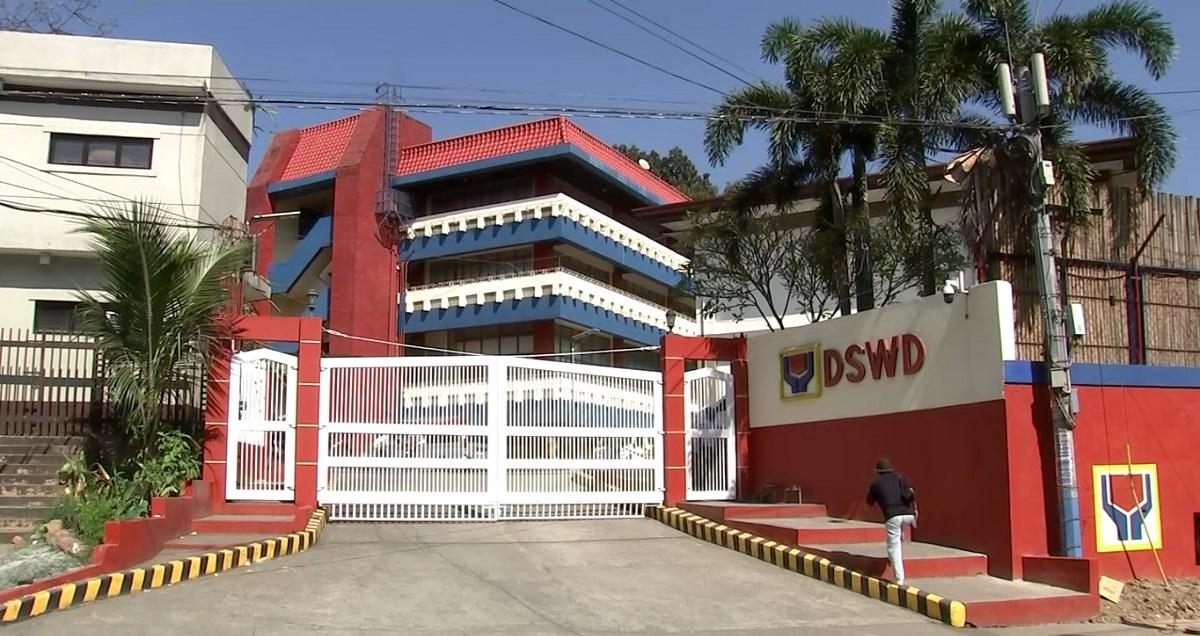
The Department of Social Welfare and Development (DSWD) over the weekend said the Assistance to Individuals in Crisis Situation (AICS) program will continue serving more than three million beneficiaries of the defunded Ayuda sa Kapos ang Kita Program (AKAP).
The AICS program has an allocation of P63.8 billion under the DSWD’s budget for 2026.
According to a DSWD statement, Edwin Morata, director of the DSWD’s Crisis Intervention Program (CIP), said funds are sufficient for the AICS program to serve former AKAP beneficiaries, including the issuance of guarantee letters (GLs) for qualified clients.
“These 3.9 million will be part of the AICS this year. Of course they are all also undergoing crisis. For example, they are taking medicines, they’ve been hospitalized. So kapag inalis sila, baka sabihin nila na wala na silang mapupuntahan. But rest assured, AICS is still there,” Morata said in a radio interview.
(These 3.9 million will be part of the AICS this year. Of course they are all also undergoing crisis. For example, they are taking medicines, they’ve been hospitalized. So if the AKAP is removed, it might mean that they have nowhere to go to. But rest assured, AICS is still there.)
The AKAP was implemented as a two-year program starting in 2024 and assisted 3.9 million Filipinos in 2025 alone, with P24 billion in assistance extended to low-income earners through GLs, medical and burial assistance, transportation, and food assistance.
“We partnered it under AICS to ensure that the right services are being provided to the right person, and for the right purpose,” Morata said.
Previously, the AICS program relied heavily on cash assistance with social workers assessing the amount of assistance. However, the cash aid was sometimes used for expenses unrelated to the intended purpose.
Morata said the issuance of GLs ensures that the requested assistance will be spent for its approved purpose.
Earlier, the DSWD expanded its partnerships with private hospitals, therapy centers, implant providers, pharmacies with specialized drugs, supermarkets, and transportation companies in issuing GLs under the AICS program.
Qualified applicants must have circumstances such as hospitalization and other critical medical procedures. They must coordinate with the DSWD’s CIP office for assessment. Patients are not required to appear personally, as relatives may submit documents on behalf of patients.
A GL may cover a maximum amount of P150,000. Cases assessed by social workers as grave may be given a higher amount.
Individuals experiencing crisis may seek help from the DSWD AICS program regardless of income level.
Meanwhile, Morata reassured that the issuance of GLs are insulated from political influence.
He said Social Welfare Secretary Rex Gatchalian ordered the strict enforcement of non-partisanship during offsite cash payouts, with only social workers and authorized staff allowed during operations.
The presence of politicians will result in the cancellation or postponement of the payout. Political tarpaulins, signages, and names are also prohibited near cash payout and GL distribution areas.
The DSWD’s AICS operations are currently based at the Paragon Building along Commonwealth Avenue in Quezon City, while field offices across all regions continue to process GL requests for local applicants. — JMA, GMA Integrated News

