

 GMA Brandtalk
 Tracking
 Archives

Chinese Embassy reiterates rejection of arbitral ruling; DFA says decision final and binding
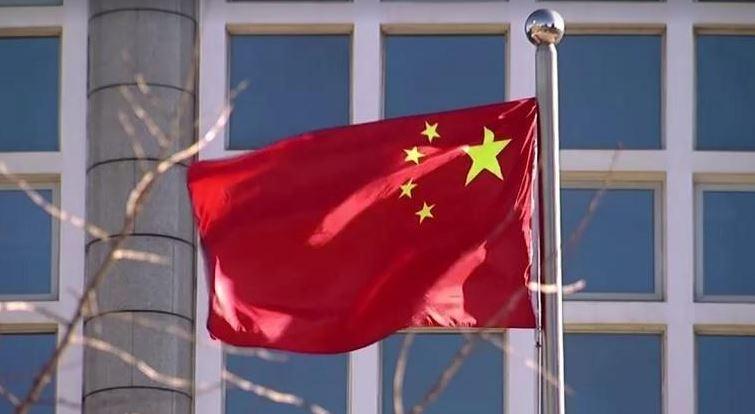
The Chinese Embassy in the Philippines reiterated Beijing’s rejection of the 2016 South China Sea arbitral ruling, calling it “illegal, null and void,” to which the Department of Foreign Affairs (DFA) responded the ruling is final and binding under international law.
In a statement issued by its deputy spokesperson, the Chinese Embassy said the arbitration initiated by the Philippines has no binding force on China, arguing that the case involved issues of territorial sovereignty and maritime delimitation that fall outside the scope of the United Nations Convention on the Law of the Sea (UNCLOS).
It added that Beijing maintained that it does not accept or recognize the arbitral awards and opposes any claims or actions based on them.
China also warned that continued “provocations” by the Philippines at sea could lead to further escalation, while reiterating its position that disputes should be resolved through negotiation and consultation.
‘Final and binding’
In response, Foreign Secretary Tess Lazaro countered that the arbitral awards in the South China Sea case are “both final and binding,” describing the proceedings as a concrete example of how international law, particularly UNCLOS, should work.
“The Awards in the South China Sea Arbitration are both final and binding, and the duly constituted proceedings are a concrete example of how international law, particularly the 1982 UNCLOS, should work,” Lazaro stressed.
The DFA recalled that in its 2015 Award on Jurisdiction and Admissibility, the arbitral tribunal ruled that China’s non-appearance and non-participation in the proceedings did not deprive the tribunal of jurisdiction, and that the Philippines’ submissions were a valid exercise of UNCLOS’ compulsory dispute settlement mechanisms.
Lazaro further cited the 2016 Award on the Merits, which she said definitively settled that maritime claims exceeding entitlements under UNCLOS — including China’s claims to historic rights and its so-called “nine-dash line” — are contrary to the convention and without lawful effect.
She maintained the Philippines did not seek, nor did the tribunal issue, any ruling on territorial sovereignty or maritime boundary delimitation between the Philippines and China.
“Moreover, the Philippines did not ask nor did the Tribunal issue a ruling on any territorial claims, nor delimit any maritime boundary between the Philippines and China,” Lazaro noted.
The arbitral ruling remains a central point of contention between Manila and Beijing amid continuing tensions in the South China Sea, which the Philippines refers to as the West Philippine Sea. — RF, GMA Integrated News

