

 GMA Brandtalk
 Tracking
 Archives

Food poverty drops in Q4; DA cites rice program
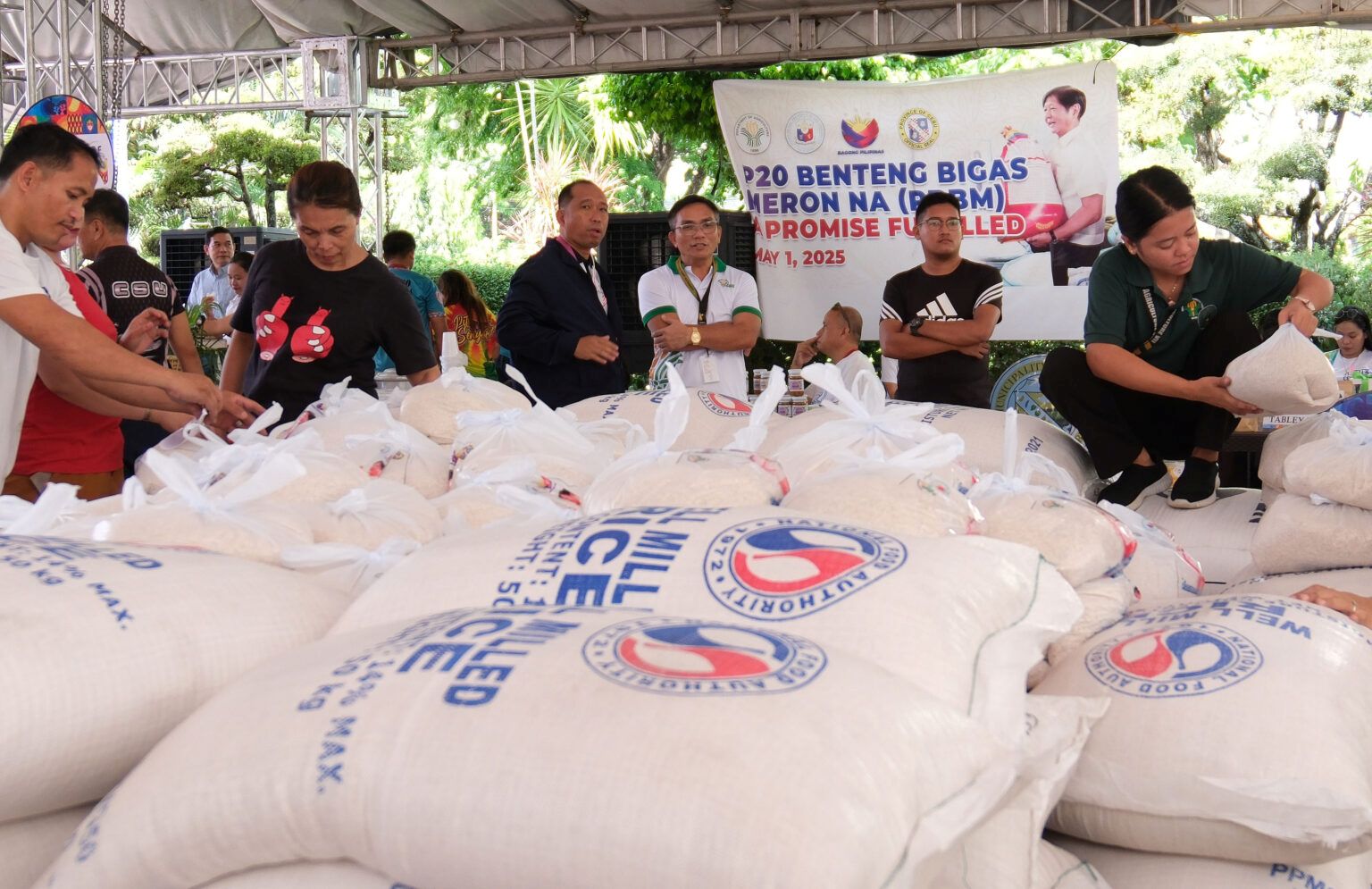
Food poverty in the Philippines dropped sharply in the last three months of 2025, according to the latest Tugon ng Masa survey by OCTA Research, as government programs supposedly helped make food more affordable and easier to access.
The survey showed that the number of Filipinos who consider themselves food-poor fell from 49 percent in the third quarter to 30 percent in the fourth quarter—a 19-point drop in just three months.
OCTA said this means around five million families no longer see themselves as struggling to put food on the table, one of the fastest improvements recorded in the survey’s history.
Agriculture Secretary Francisco Tiu Laurel Jr. said the results show that government efforts to secure food supply and control prices are working.
“These results show that our programs are reaching Filipino families. We will continue to make sure food remains affordable for consumers, while also helping farmers, fisherfolk, and other food producers earn more,” he said.
Tiu Laurel said pointed to the expansion of the government’s P20-per-kilo rice program, which the administration plans to roll out this year to 15 million households, or about 60 million Filipinos.
President Ferdinand Marcos Jr. has ordered that the program continue until the end of his term in June 2028.
Tiu Laurel added that the government has also increased spending on agriculture and food-related infrastructure, including farm-to-market roads, cold storage facilities, food hubs, ports, rice dryers, warehouses, and greenhouses.
These projects are meant to increase food production, bring down prices, and raise incomes in rural areas, according to the DA.
The survey also found that overall poverty dropped during the same period, with the share of Filipinos who consider themselves poor falling from 54 percent to 37 percent.
OCTA estimates this translates to about 4.5 million families who no longer see themselves as poor—the biggest single-quarter drop recorded so far.
However, hunger slightly increased, rising from 11 percent to 16 percent. OCTA noted that nearly eight out of 10 households that experienced hunger said it happened only once or a few times, suggesting short-term difficulty rather than long-term hunger.
OCTA credited the improvement in food poverty to government programs that helped keep food—especially rice—available and affordable, such as the “Benteng Bigas, Meron Na!” campaign and the P20-per-kilo rice program.—MCG, GMA Integrated News

